
 Search
 en
en English
 日本語
日本語 русский
 Español
 Deutsch
 中文简体
中文简体Content
What Glass Wafers Are and Why They Matter
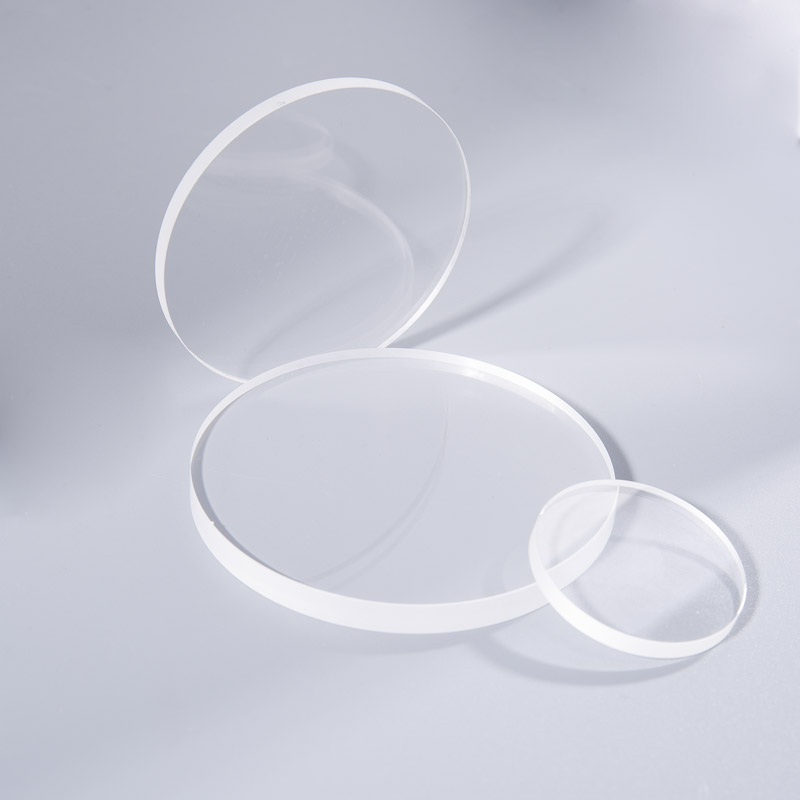
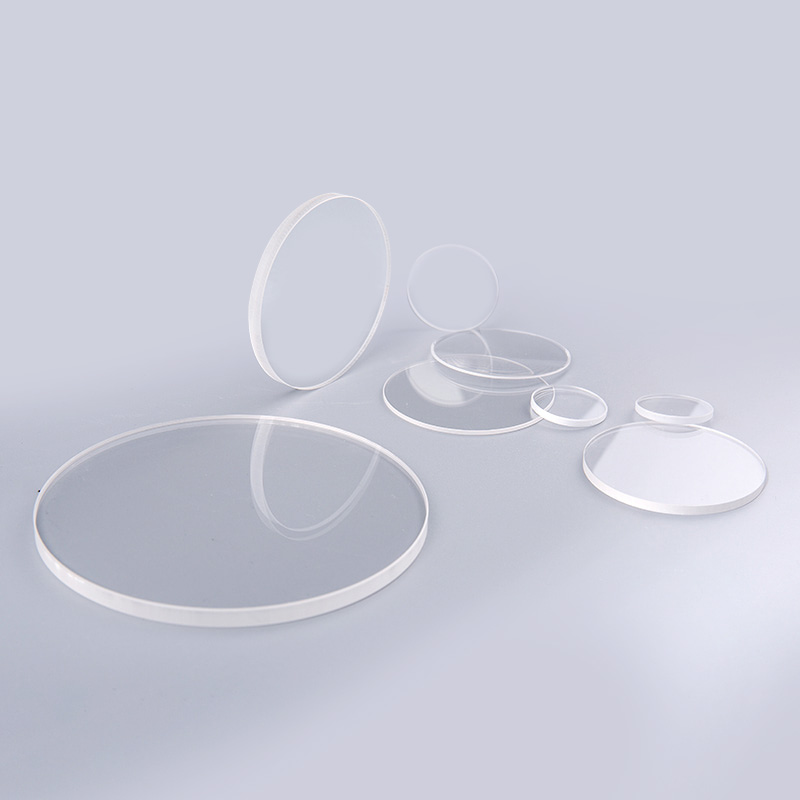
Glass wafers are precision-engineered thin substrates made from specialty glass materials, typically ranging from 100 micrometers to several millimeters in thickness. These substrates serve as foundational platforms in semiconductor manufacturing, microelectromechanical systems (MEMS), microfluidic devices, and advanced packaging applications. Unlike traditional silicon wafers, glass wafers offer unique optical transparency, superior electrical insulation properties, and exceptional dimensional stability across varying temperatures.
The global glass wafer market has experienced significant growth, with industry reports indicating a compound annual growth rate (CAGR) of approximately 8-10% between 2020 and 2025. This expansion is driven by increasing demand for interposers in 2.5D and 3D integrated circuit packaging, where glass wafers provide crucial advantages in signal integrity and thermal management.
Manufacturing Processes for Glass Wafers
The production of glass wafers involves several sophisticated manufacturing techniques, each tailored to achieve specific dimensional tolerances and surface quality requirements.
Fusion Draw Process
The fusion draw method, pioneered by companies like Corning, produces ultra-flat glass sheets with pristine surfaces by flowing molten glass over a forming wedge. This process eliminates the need for polishing on both surfaces, achieving flatness tolerances of less than 10 micrometers across 300mm diameter wafers. The resulting material exhibits surface roughness values below 1 nanometer RMS, making it ideal for photolithography applications.
Float Glass and Polishing
Traditional float glass processes followed by chemical-mechanical polishing (CMP) represent an alternative manufacturing route. While this approach requires additional processing steps, it allows for greater flexibility in glass composition and can achieve thickness uniformity of ±5 micrometers across large-format substrates.
Laser Cutting and Edge Processing
Once formed, glass sheets undergo precision laser cutting or scribing to create individual wafers. Edge processing techniques ensure chip-free edges with controlled bevel angles, critical for automated handling in semiconductor fabrication equipment. Modern systems achieve edge quality specifications with defect densities below 0.1 defects per linear centimeter.
Material Properties and Composition
Glass wafers are engineered from various glass compositions, each offering distinct property profiles for specific applications.
| Glass Type | Thermal Expansion (ppm/°C) | Dielectric Constant | Primary Applications |
|---|---|---|---|
| Borosilicate | 3.3 | 4.6 | MEMS, Displays |
| Aluminosilicate | 8.5 | 6.5 | TFT Substrates |
| Fused Silica | 0.5 | 3.8 | Photomasks, Optics |
| Low-CTE Glass | 2.5-3.0 | 5.2 | Interposers, Packaging |
Critical Performance Parameters
- Coefficient of Thermal Expansion (CTE): Matching the CTE to silicon (2.6 ppm/°C) minimizes stress during thermal processing cycles, preventing warpage and delamination
- Electrical Properties: Volume resistivity exceeding 10^14 ohm-cm provides excellent insulation for high-frequency signal routing
- Optical Transmission: Transparency greater than 90% in visible wavelengths enables alignment through the substrate and backside processing
- Chemical Durability: Resistance to acids, bases, and organic solvents ensures compatibility with semiconductor processing chemistries
Key Applications in Modern Electronics
Advanced Packaging and Interposers
Glass interposers have emerged as a game-changing technology for high-performance computing applications. Intel, TSMC, and other major foundries are investing heavily in glass substrate technology for chiplet integration. Glass enables through-glass vias (TGVs) with diameters as small as 10 micrometers and pitches down to 40 micrometers, achieving interconnect densities 10 times higher than organic substrates.
In data center processors, glass interposers demonstrate signal loss reductions of approximately 30-40% compared to traditional materials at frequencies above 50 GHz. This improvement translates directly to enhanced power efficiency and increased bandwidth for AI accelerators and high-bandwidth memory (HBM) interfaces.
MEMS and Sensor Devices
Glass wafers provide ideal substrates for microfluidic lab-on-chip devices, pressure sensors, and optical MEMS. The material's biocompatibility, chemical inertness, and optical transparency make it particularly valuable for medical diagnostics applications. Companies manufacturing blood analysis chips routinely specify borosilicate glass wafers with surface flatness tolerances below 2 micrometers total thickness variation (TTV).
Display Technologies
Thin-film transistor (TFT) arrays for liquid crystal displays (LCDs) and OLED panels utilize large-format glass substrates, with Generation 10.5 fabs processing glass sheets measuring 2940mm × 3370mm. The industry has achieved remarkable economics, with substrate costs declining to less than $0.50 per square foot for commodity display applications while maintaining stringent specifications for surface defects and dimensional control.
Advantages Over Silicon Wafers
While silicon remains the dominant semiconductor substrate, glass wafers offer compelling advantages for specific applications:
- Lower Signal Loss: Dielectric loss tangent values of 0.003-0.005 enable superior radio frequency (RF) performance in millimeter-wave communication circuits
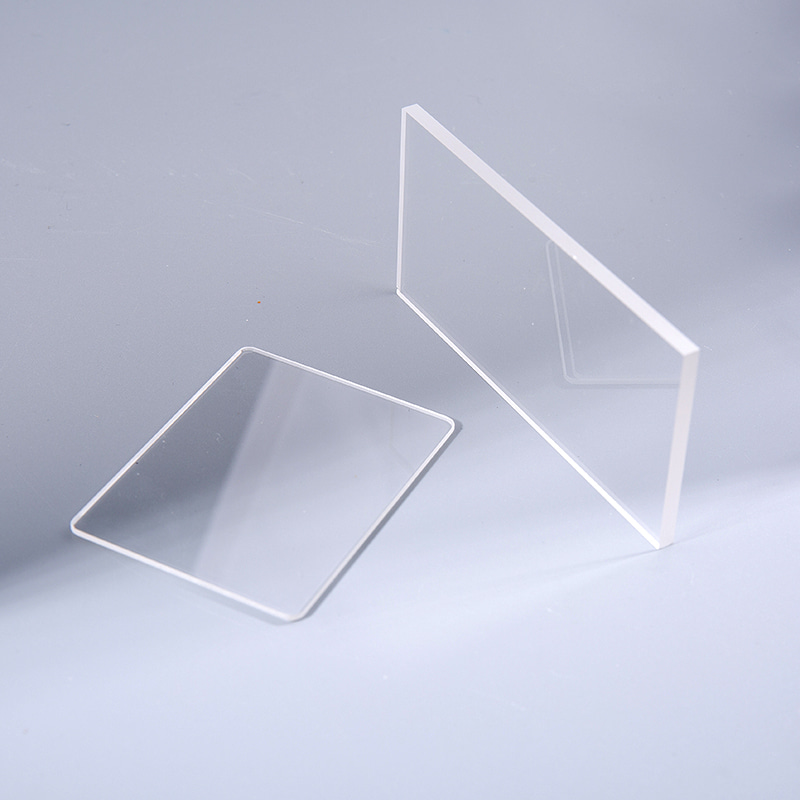
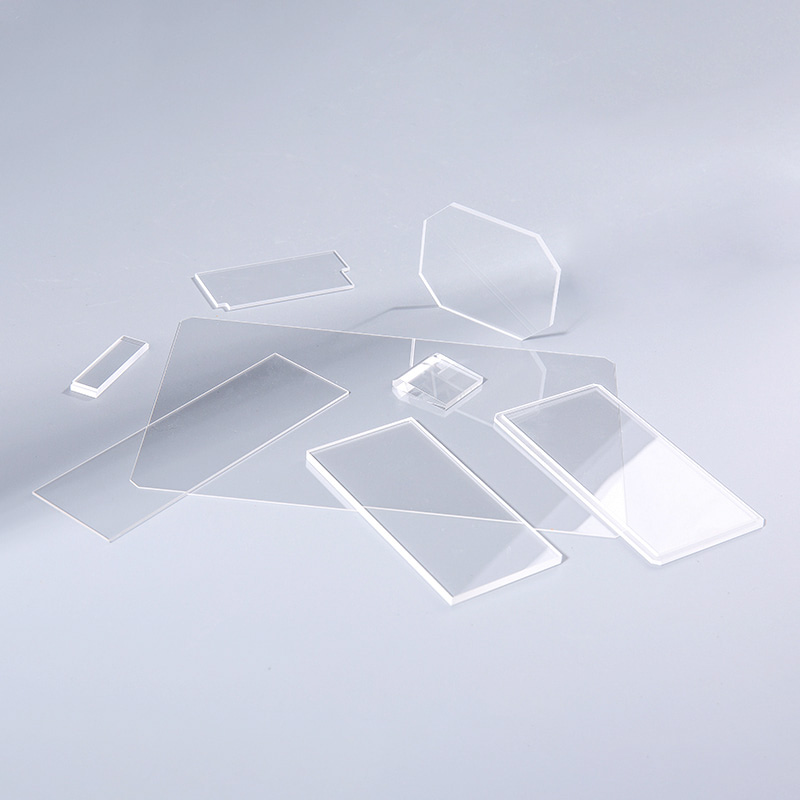
- Larger Substrate Sizes: Glass manufacturing technology readily scales to 510mm × 515mm rectangular formats, exceeding the practical limits of circular silicon wafers
- Cost Efficiency: For interposer applications, glass substrates can cost 40-60% less than equivalent silicon carriers while providing comparable or better electrical performance
- Design Flexibility: TGVs in glass can be formed with higher aspect ratios (depth-to-diameter ratios exceeding 10:1) compared to through-silicon vias, enabling more compact 3D architectures
- Optical Access: Infrared and visible light transmission permits backside alignment, inspection, and processing techniques impossible with opaque silicon
Processing Challenges and Solutions
Via Formation Technologies
Creating through-glass vias presents unique technical challenges. Three primary methods dominate current manufacturing:
- Laser Drilling: Ultrafast picosecond or femtosecond lasers ablate material with minimal heat-affected zones, achieving via formation rates of 100-500 vias per second with diameters from 10-100 micrometers
- Wet Etching: Hydrofluoric acid-based chemistries provide excellent sidewall smoothness for larger vias, with etch rates controllable to within ±5% across wafer batches
- Dry Etching: Plasma-based reactive ion etching offers anisotropic profiles for applications requiring vertical sidewalls, though throughput remains lower than laser methods
Metallization and Bonding
Depositing conductive layers on glass requires careful process optimization. Physical vapor deposition (PVD) of titanium or chromium adhesion layers followed by copper seed deposition enables subsequent electroplating to fill TGVs. Advanced facilities achieve via fill yields exceeding 99.5% with electrical resistances below 50 milliohms per via.
Wafer bonding technologies adapted for glass include anodic bonding, fusion bonding, and adhesive bonding, each suited to different thermal budget and hermeticity requirements. Anodic bonding of borosilicate glass to silicon achieves bond strengths exceeding 20 MPa with interface void densities below 0.01%.
Industry Outlook and Future Developments
The glass wafer industry stands at an inflection point driven by several converging trends. Intel's announcement of glass substrates for advanced packaging, targeting implementation in the 2030 timeframe for next-generation processors, validates years of research and development investment.
Market analysts project the advanced packaging segment alone will consume glass wafers valued at over $2 billion annually by 2028. This growth stems from insatiable demand for computing performance in artificial intelligence, autonomous vehicles, and edge computing applications where glass's electrical advantages become increasingly critical.
Emerging Applications
- Photonics Integration: Glass wafers with embedded optical waveguides enable co-packaging of photonic and electronic circuits for optical interconnects operating at terabit-per-second data rates
- Quantum Computing: The low dielectric loss and thermal stability of specialty glasses make them attractive substrates for superconducting qubit arrays
- Flexible Electronics: Ultra-thin glass wafers (down to 30 micrometers thickness) provide mechanically flexible yet chemically robust substrates for bendable displays and wearable sensors
Standardization efforts through organizations like SEMI are establishing specifications for glass wafer dimensions, flatness tolerances, and material properties. These standards will accelerate adoption by reducing technical risk and enabling multi-source supply chains for high-volume manufacturing.

 苏公网安备32041102000130号