
 Search
 en
en English
 日本語
日本語 русский
 Español
 Deutsch
 中文简体
中文简体Content
- 1 Understanding What Optical Wafers Are Used For
- 2 Common Materials and Why They Are Selected
- 3 Key Manufacturing Steps That Affect Optical Quality
- 4 Important Specifications to Review Before Purchasing
- 5 Inspection and Quality Control in Real Use
- 6 Handling, Storage, and Processing Considerations
- 7 Matching Optical Wafers to Application Needs
Understanding What Optical Wafers Are Used For
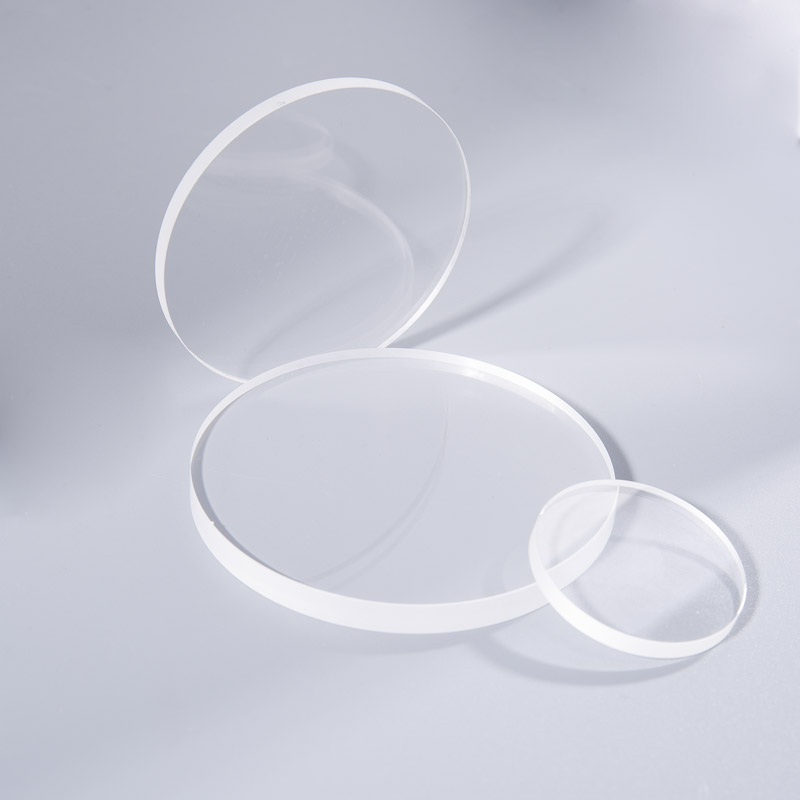
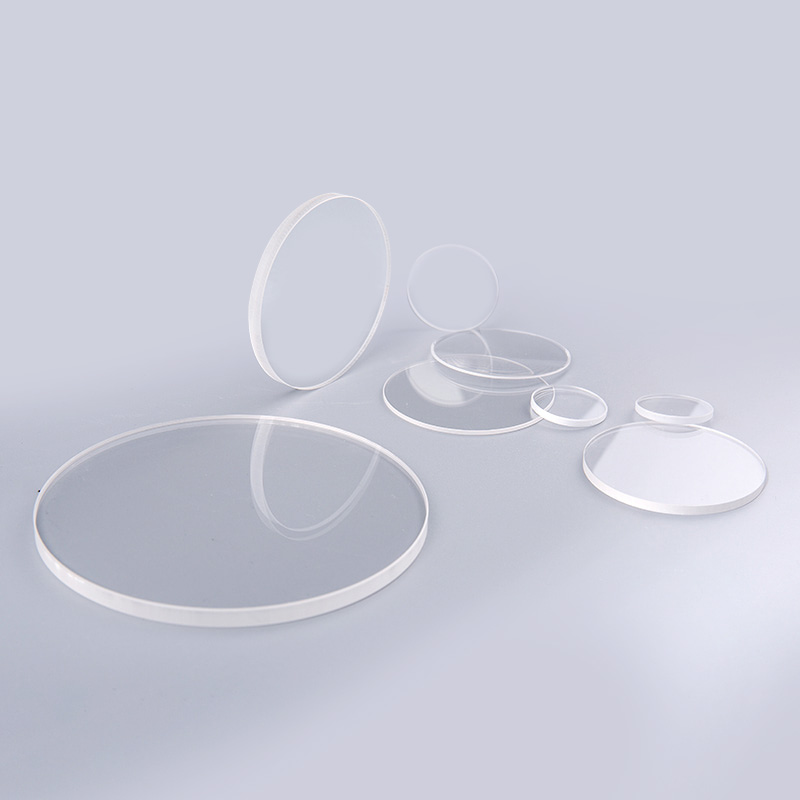
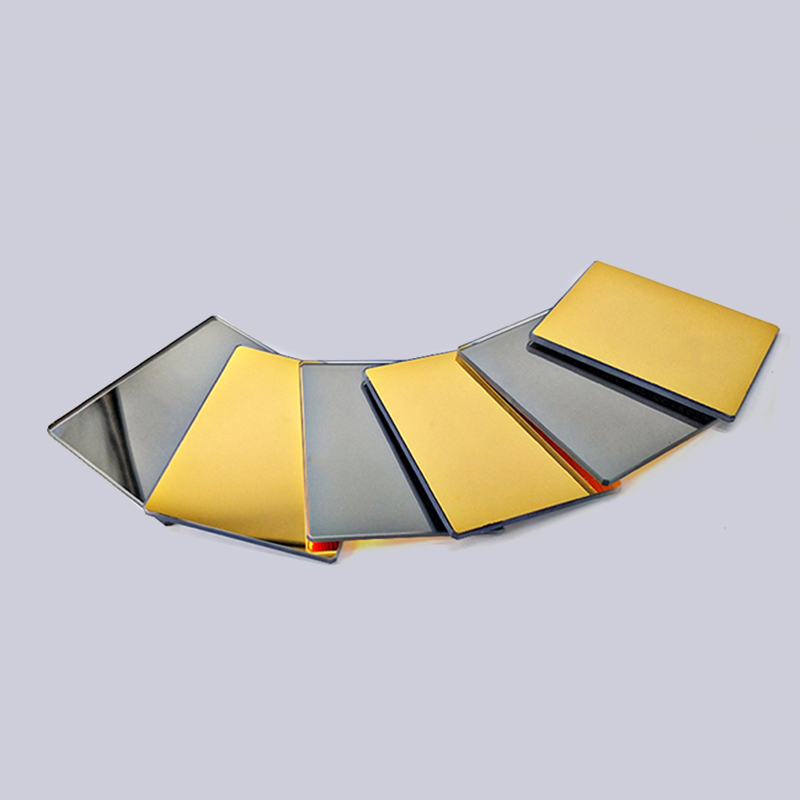
Optical wafers are precision-engineered substrates designed to transmit, reflect, or manipulate light with minimal distortion. Unlike electronic wafers that focus on electrical performance, optical wafers are defined by surface accuracy, material purity, and optical uniformity. They are widely used as base materials for lenses, windows, filters, mirrors, and integrated photonic components where predictable light behavior is essential.
In practice, the value of an optical wafer lies not in its thickness or diameter alone, but in how consistently it performs across its entire surface. Small variations in flatness, refractive index, or surface roughness can directly affect optical alignment, beam quality, and system efficiency.
Common Materials and Why They Are Selected
Material choice is one of the most practical decisions in optical wafer selection. Each material offers specific transmission ranges, mechanical strength, and thermal behavior, which determine where it can be reliably used.
- Fused silica is chosen for its excellent UV-to-NIR transmission and low thermal expansion, making it suitable for precision optics and laser systems.
- Sapphire wafers provide high hardness and thermal stability, often used where mechanical durability and high-temperature resistance are required.
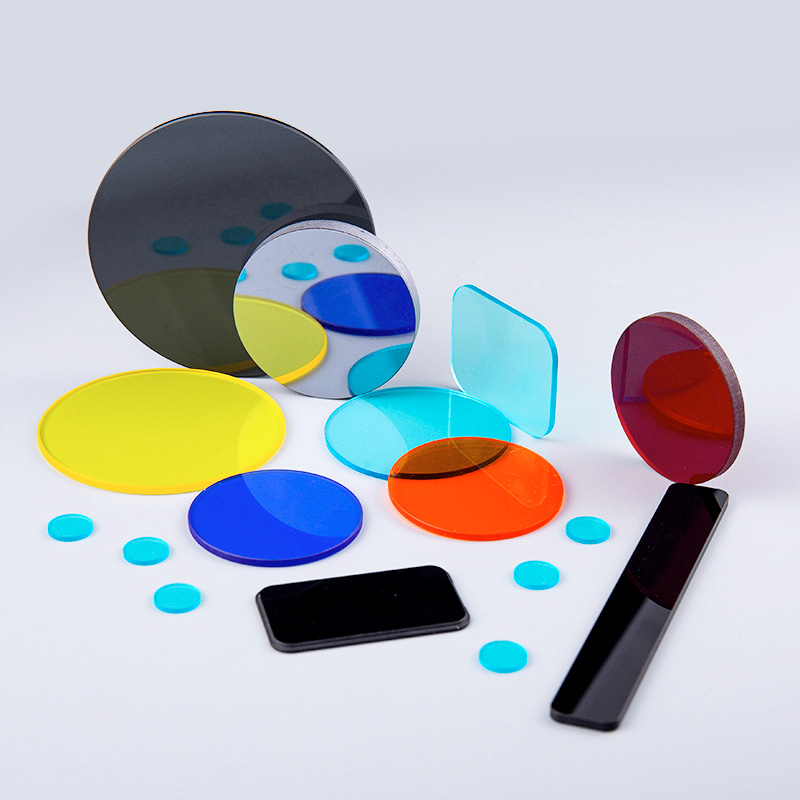
- Optical glass wafers allow tailored refractive indices and dispersion properties, supporting custom lens and filter designs.
Selecting a material should always start with the optical wavelength range, followed by environmental conditions such as temperature variation, mechanical stress, and chemical exposure.
Key Manufacturing Steps That Affect Optical Quality
Optical wafer fabrication involves multiple controlled processes, each influencing final performance. Cutting and shaping define geometry, while lapping and polishing determine surface accuracy. Polishing is particularly critical, as it controls surface roughness at the nanometer scale.
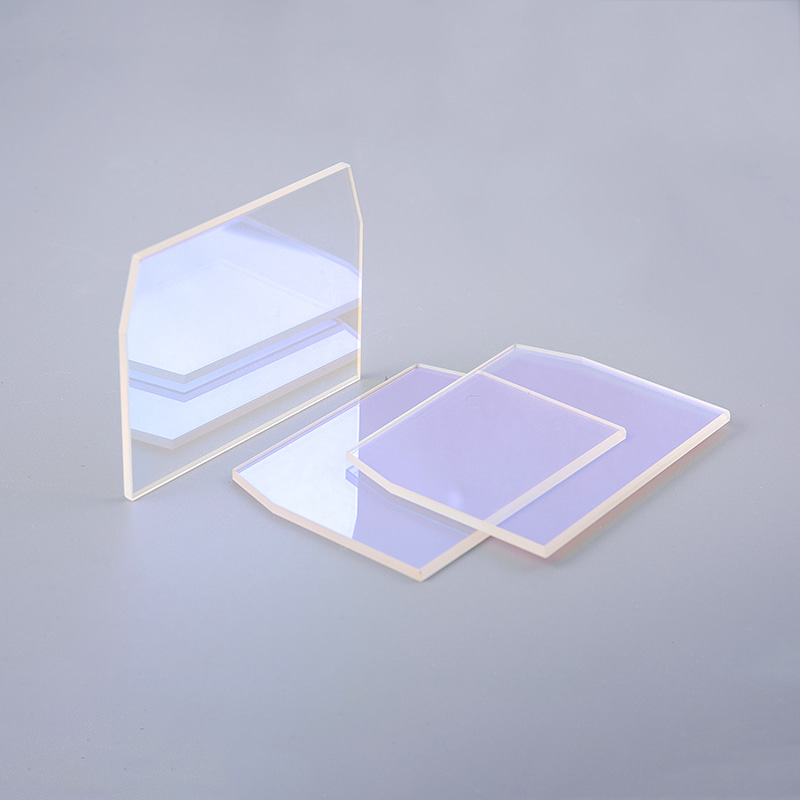
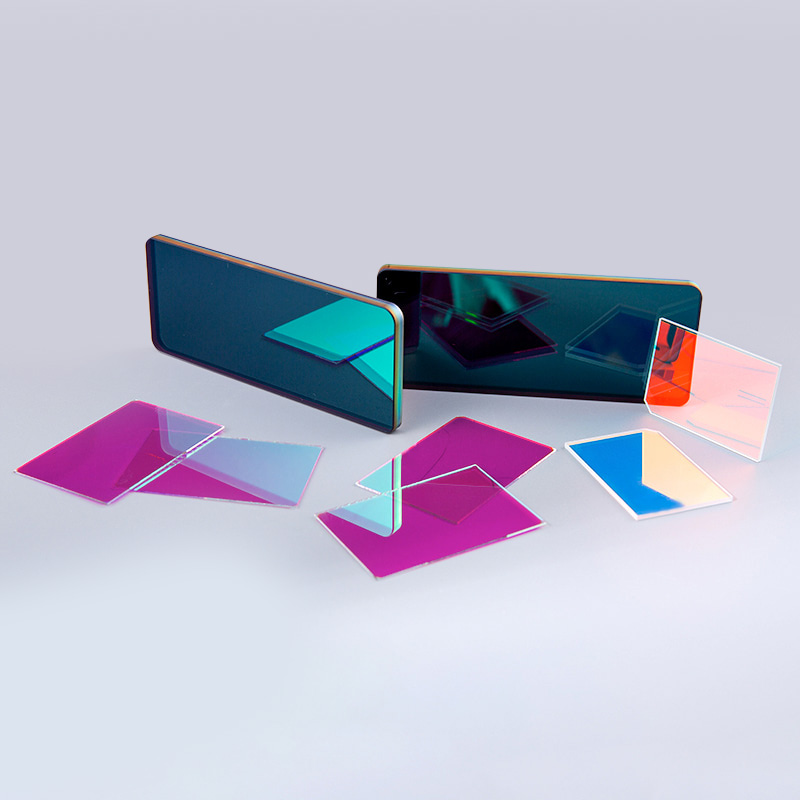
After polishing, wafers often undergo cleaning and inspection to remove sub-surface damage and residual contamination. In many applications, additional coating processes such as anti-reflective or reflective layers are applied, requiring the base wafer to meet strict cleanliness and flatness standards beforehand.
Important Specifications to Review Before Purchasing
Understanding specification sheets helps avoid mismatches between design intent and actual wafer performance. Optical wafers are usually defined by a combination of dimensional, optical, and surface parameters.
| Specification | Practical Meaning |
| Surface Flatness | Controls wavefront distortion and alignment accuracy |
| Surface Roughness | Affects scattering and optical clarity |
| Thickness Tolerance | Ensures mechanical fit and optical path consistency |
Inspection and Quality Control in Real Use
Inspection methods such as interferometry, surface profilometry, and visual inspection under controlled lighting are commonly used to verify optical wafer quality. These checks help identify scratches, pits, or flatness deviations that could compromise performance once the wafer is integrated into an optical assembly.
For production environments, consistent inspection standards reduce variability between batches and support predictable optical behavior across multiple components.
Handling, Storage, and Processing Considerations
Even a well-manufactured optical wafer can be degraded by improper handling. Contact with hard surfaces, airborne particles, or skin oils can introduce defects that are difficult to remove. Cleanroom handling practices and protective packaging are therefore practical necessities rather than optional precautions.
- Use non-abrasive tools and gloves when handling wafers.
- Store wafers in clean, cushioned containers to prevent edge chipping.
- Clean only with approved optical-grade solutions and methods.
Matching Optical Wafers to Application Needs
Different applications place different demands on optical wafers. High-power laser systems prioritize thermal stability and low absorption, while imaging systems focus on surface quality and uniform transmission. Understanding the operating environment helps determine which specifications matter most.
By aligning material choice, manufacturing quality, and handling practices with the intended application, optical wafers can deliver consistent, reliable performance without unnecessary cost or over-specification.



 苏公网安备32041102000130号