
 Search
 en
en English
 日本語
日本語 русский
 Español
 Deutsch
 中文简体
中文简体Content
What Is a Sapphire Developing Plate?
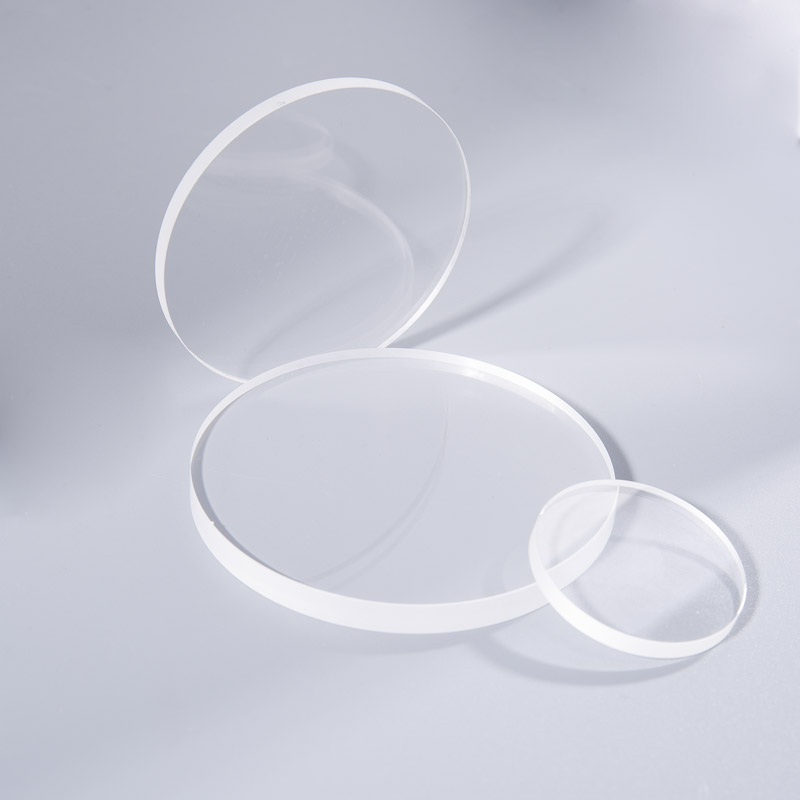
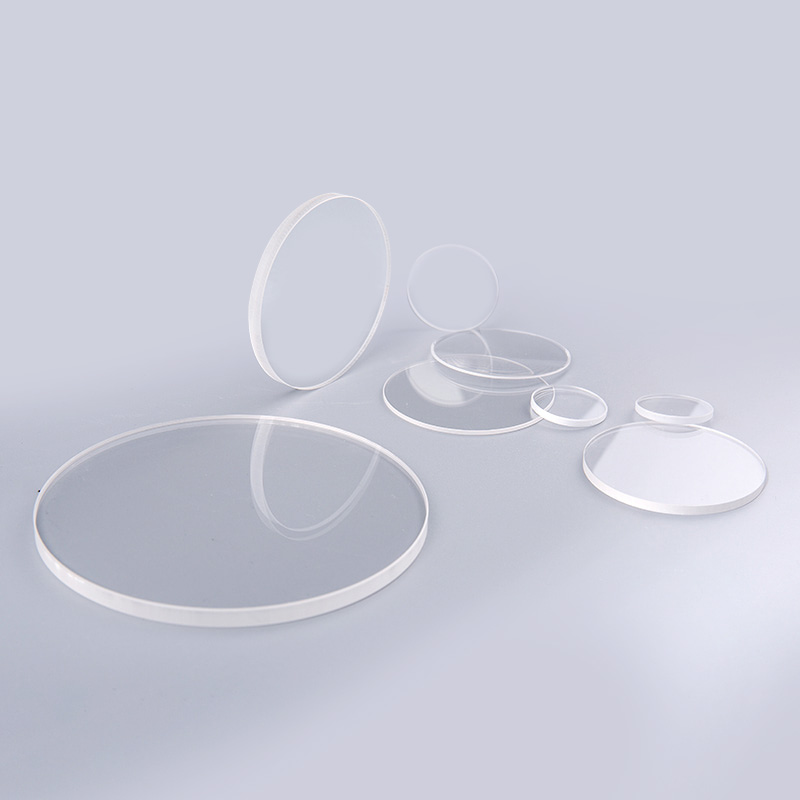
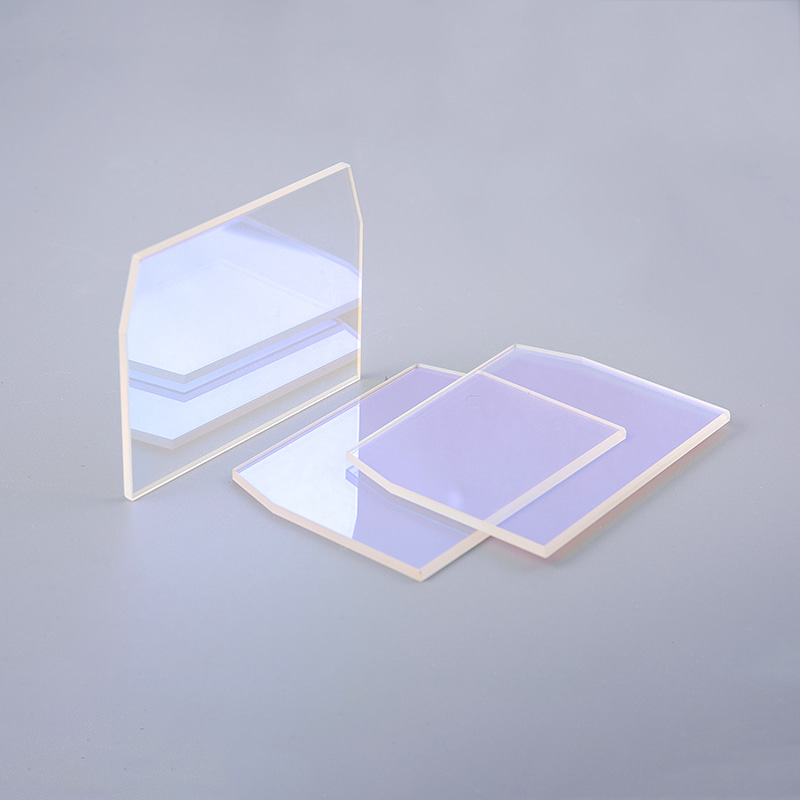
A sapphire developing plate is a precision-ground optical window substrate made from single-crystal aluminum oxide (Al₂O₃). Unlike standard glass, it is grown as a monocrystal, giving it a uniform lattice structure that delivers consistent optical and mechanical performance across the entire surface. This makes it far more predictable in high-demand environments than polycrystalline or amorphous alternatives.
The term "developing plate" refers specifically to its role as a base substrate — a foundation through which light must pass with minimal distortion, absorption, or scatter. It is not a passive component. In many systems, its surface quality and material purity directly determine whether a device performs to specification or fails in service.
Key Material Properties
Four properties define sapphire's position as the material of choice for demanding optical substrates:
- Hardness: Sapphire ranks 9 on the Mohs scale — second only to diamond. This makes it highly resistant to surface scratching in abrasive or high-contact environments, where conventional glass would degrade within months.
- Thermal stability: Sapphire maintains structural and optical integrity at temperatures up to 2,000°C, and continuous operating temperatures of 1,200°C are standard. Even rapid thermal cycling does not induce the microfractures typical in glass substrates.
- Chemical inertness: It resists attack from most acids, alkalis, and solvents — including hydrofluoric acid — making it reliable in corrosive gas atmospheres or plasma-processing chambers.
- Broad optical transmission: Sapphire transmits light from approximately 150 nm (deep UV) through to 5.5 µm in the mid-infrared range, with peak transmission approaching 90% in the visible band. No single glass substrate matches this spectral range at comparable hardness.
These properties do not operate independently. It is the combination of optical clarity, physical toughness, and chemical stability that makes sapphire irreplaceable in environments where other materials would simply fail.
Core Applications
Sapphire developing plates are deployed wherever a system requires optical access under extreme conditions. The most demanding use cases include:
- Infrared and night vision systems: Sapphire's mid-IR transmission (up to 5.5 µm) makes it the preferred window material for thermal imaging cameras, night vision sights, and far-infrared detection equipment — including airborne and ground-based military optics.
- High-power laser windows: In CO₂ and solid-state laser systems, the window substrate must withstand intense beam energy without absorbing it or degrading. Sapphire's low absorption coefficient and thermal resilience make it ideal for both industrial cutting lasers and defense-grade systems.
- Semiconductor processing: Sapphire substrates serve as observation ports in high-temperature reactors and as epitaxial growth platforms for GaN-based LEDs and laser diodes. For this, our precision sapphire and quartz wafer solutions cover the full range of semiconductor-grade requirements.
- Space and aerospace instrumentation: Exposure to hard vacuum, particle radiation, and extreme thermal gradients rules out virtually every conventional optical material. Sapphire survives and performs where others do not.
- Medical and UV sterilization equipment: UV-transparent sapphire windows enable deep-UV sterilization systems and surgical laser tools that require direct optical access without contamination risk or material degradation.
Specifications & Customization
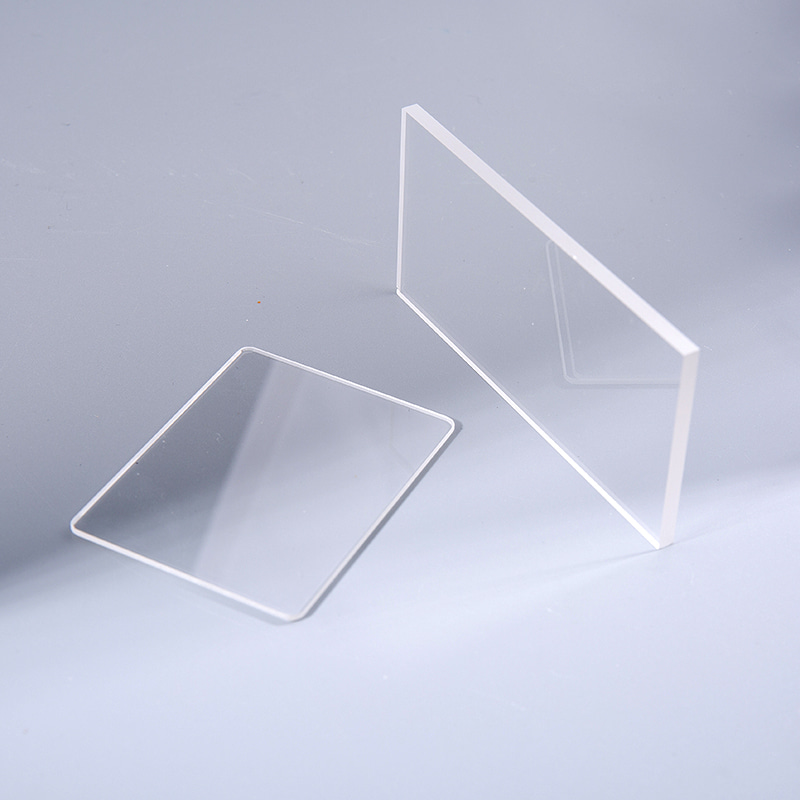
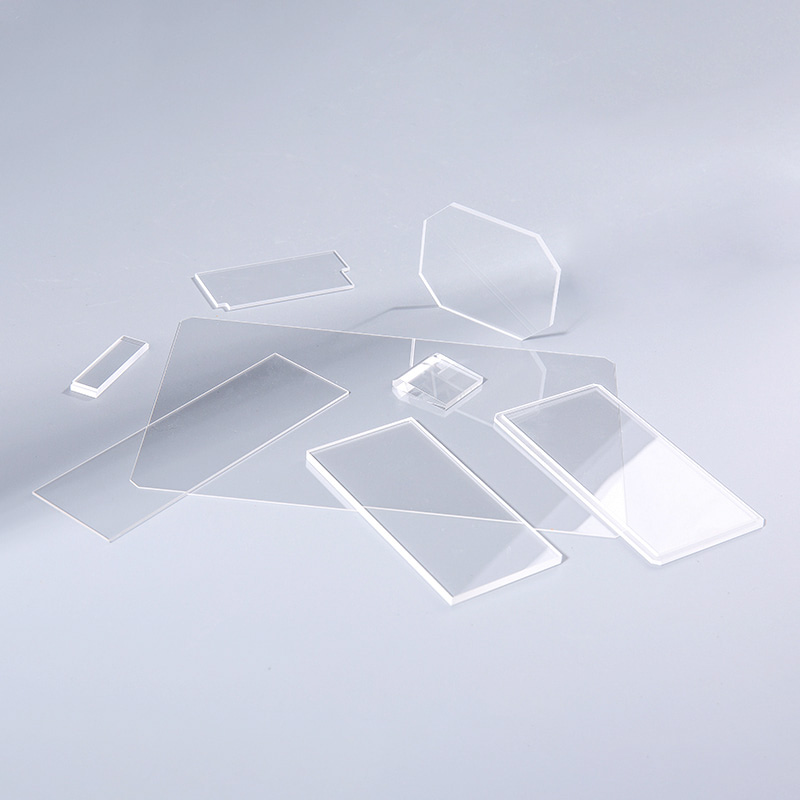
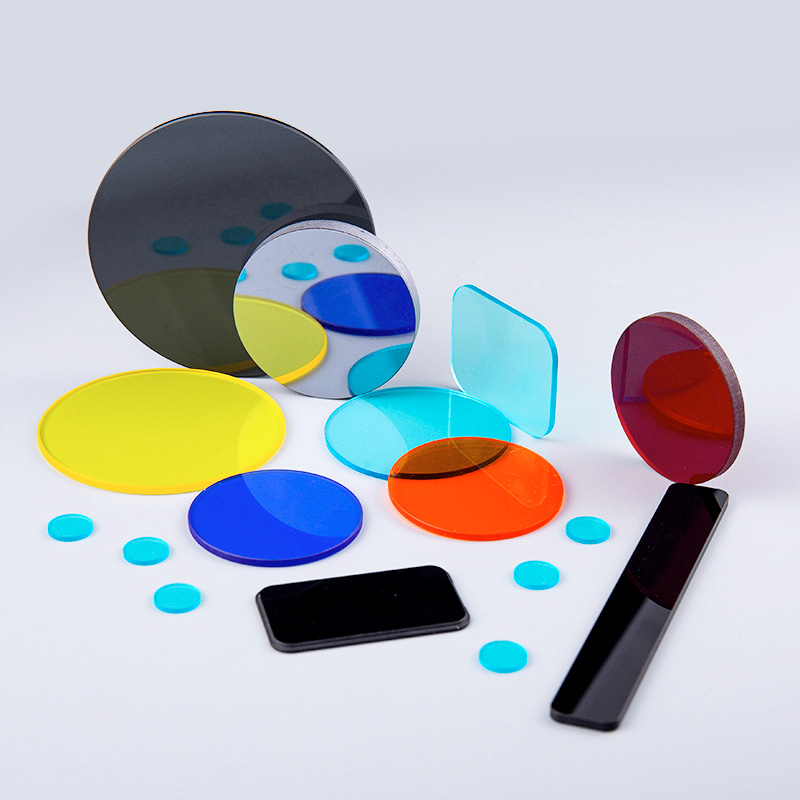
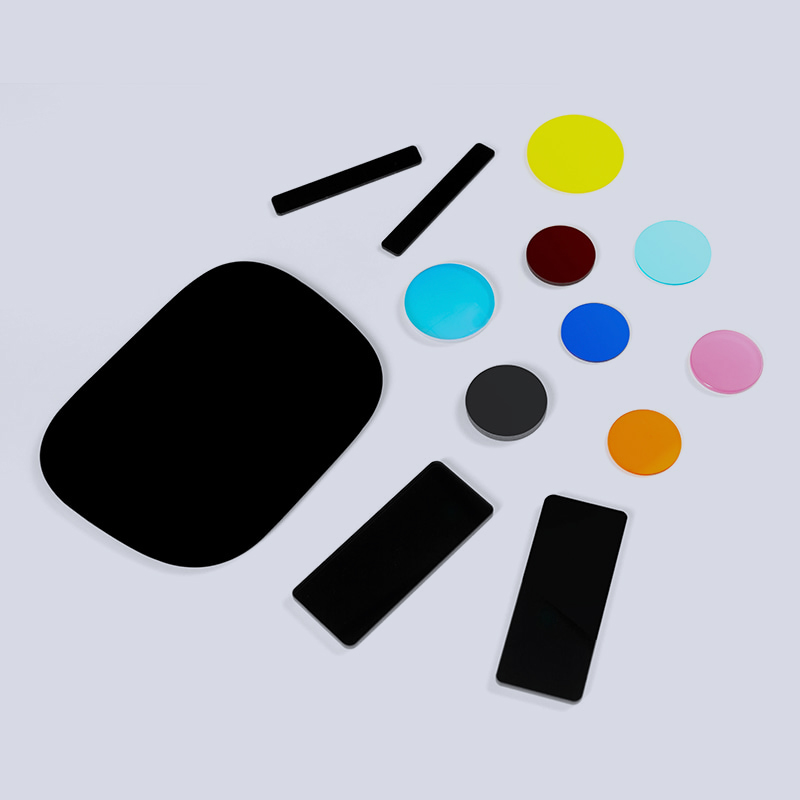
Standard sapphire window substrates are available in circular, rectangular, and square formats. Custom irregular profiles can be machined from drawings. The table below summarizes the processing range and key optical parameters:
| Parameter | Specification |
|---|---|
| Material | Single-crystal sapphire (Al₂O₃) |
| Diameter (circular) | 2 – 400 mm |
| Length / Width (square/rect.) | 2 – 400 mm per side |
| Thickness range | 0.1 – 30 mm |
| Profile tolerance | ±0.03 mm |
| Thickness tolerance | ±0.005 mm |
| Surface flatness | ≤ 1/8λ @ 632.8 nm |
| Parallelism | ≤ 1' |
| Surface quality | 5/10 ; 20/10 ; 40/20 ; 60/40 |
| Effective aperture | > 90% |
| Available coatings | AR (anti-reflection), AF (anti-fingerprint), IR (infrared) |
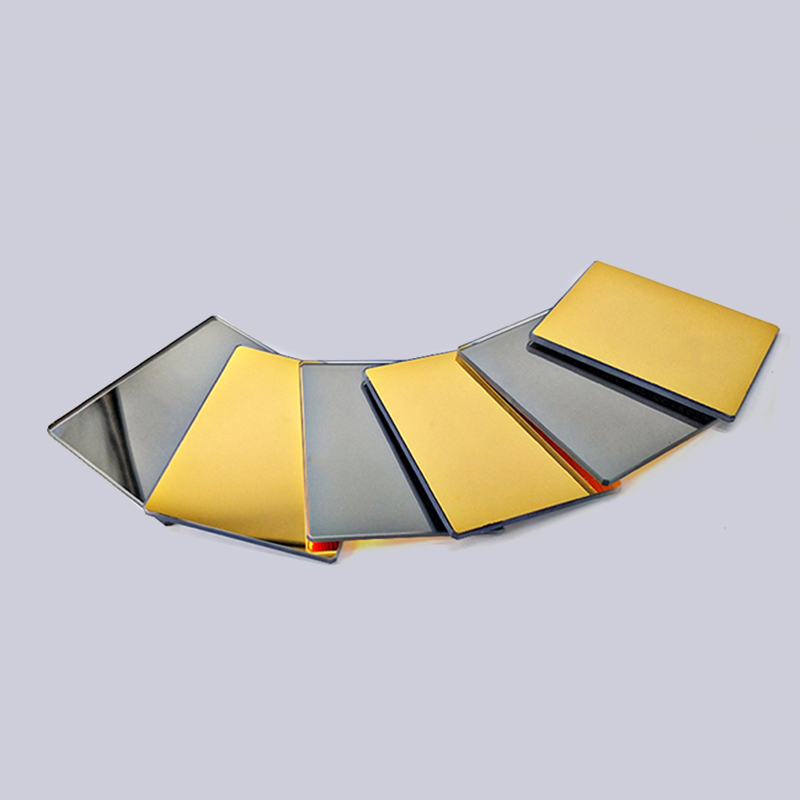
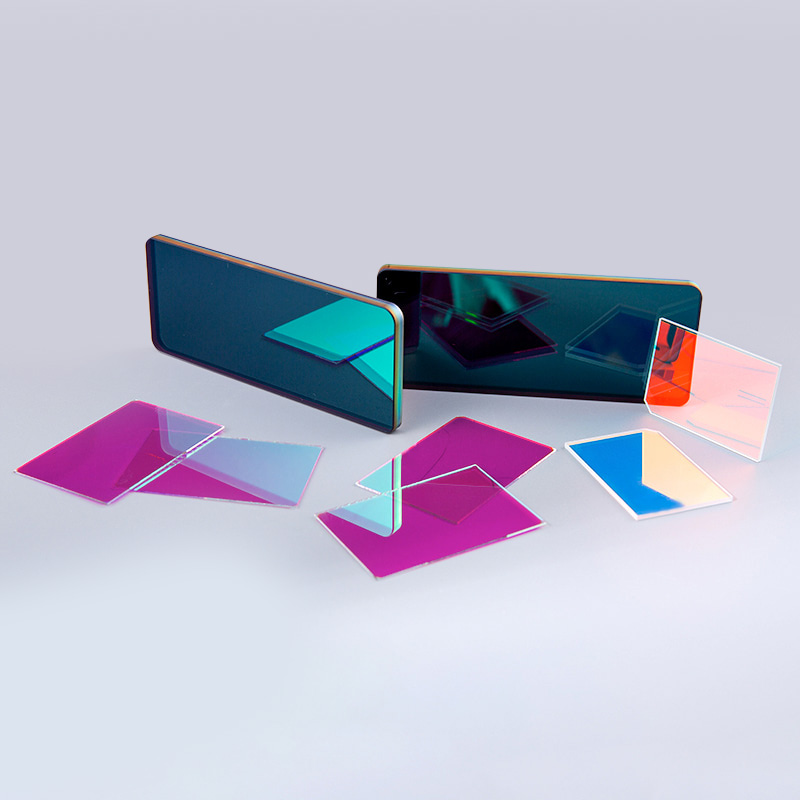
Coating selection is application-driven. AR coatings reduce surface reflection losses and increase transmitted intensity — critical in laser and imaging systems. IR coatings optimize transmission specifically in the infrared band, while AF coatings protect substrates in environments where fingerprint contamination could affect measurement accuracy. See our full range of optical window products for additional substrate formats and coating options.
Why Choose a Custom Sapphire Window Substrate
Off-the-shelf substrates cover the majority of standard applications, but systems operating at the edge of performance — hypersonic sensors, custom semiconductor tools, precision defense optics — rarely fit standard dimensions or surface finish requirements. A substrate that is 0.1 mm too thick or has surface flatness 1/4λ instead of 1/8λ can introduce wavefront errors that propagate through every downstream optical element.
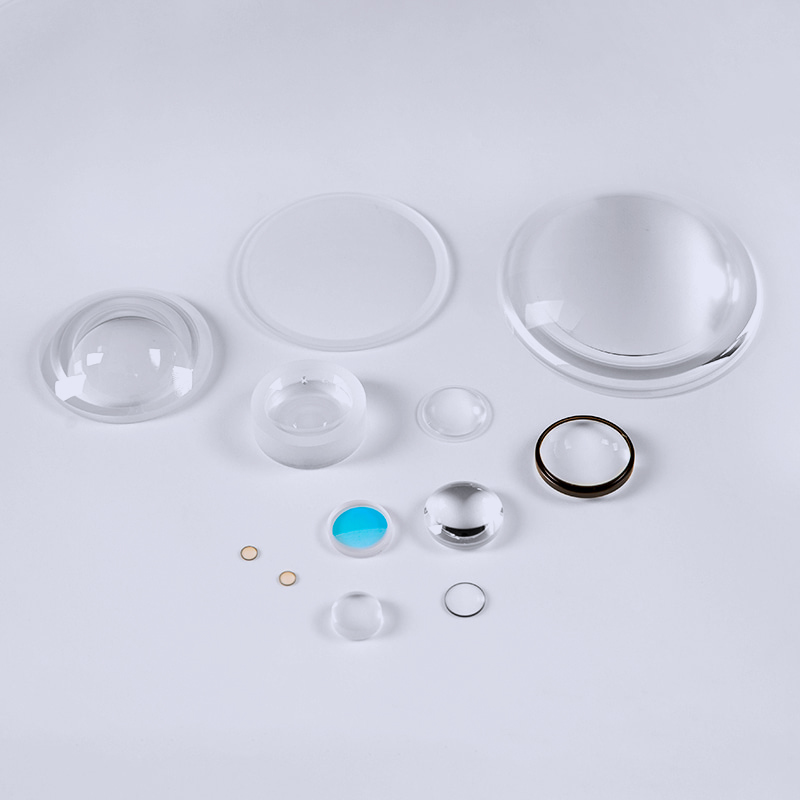
Custom processing eliminates these compromises. With in-house grinding, lapping, polishing, and coating capability, substrates can be manufactured to exacting dimensional and optical tolerances, in shapes that standard catalogues do not carry — perforated, stepped, or profiled to fit directly into the target assembly. Explore our broader range of custom optical components to understand the full scope of what is achievable.
If your application pushes the limits of conventional optical materials, sapphire is the answer. Contact us with your drawings or specifications, and we will provide a detailed technical proposal and lead-time estimate.

 苏公网安备32041102000130号