
 Search
 en
en English
 日本語
日本語 русский
 Español
 Deutsch
 中文简体
中文简体Content
- 1 Understanding How Optical Lenses Work
- 2 Common Types of Optical Lenses and Their Uses
- 3 Optical Lens Materials and Performance Differences
- 4 Essential Optical Lens Coatings for Better Vision
- 5 Choosing the Right Optical Lens for Your Lifestyle
- 6 How Optical Lenses Are Used in Cameras and Imaging
- 7 Maintaining Optical Lenses for Long-Term Clarity
- 8 Future Innovations in Optical Lens Technology
Understanding How Optical Lenses Work
An optical lens is a transparent device designed to refract light in a controlled manner to form clear and accurate images. By bending incoming light rays toward or away from a focal point, lenses enable vision correction, photography, scientific observation, and medical imaging. The curvature and thickness of a lens directly influence how strongly it alters light paths, a property measured as focal length.
Short focal length lenses bend light aggressively, making them ideal for wide-angle photography and strong vision prescriptions. Longer focal length lenses provide magnification, commonly used in telephoto camera lenses and reading glasses. Understanding these principles helps consumers select lenses that match their visual or imaging needs.
Common Types of Optical Lenses and Their Uses
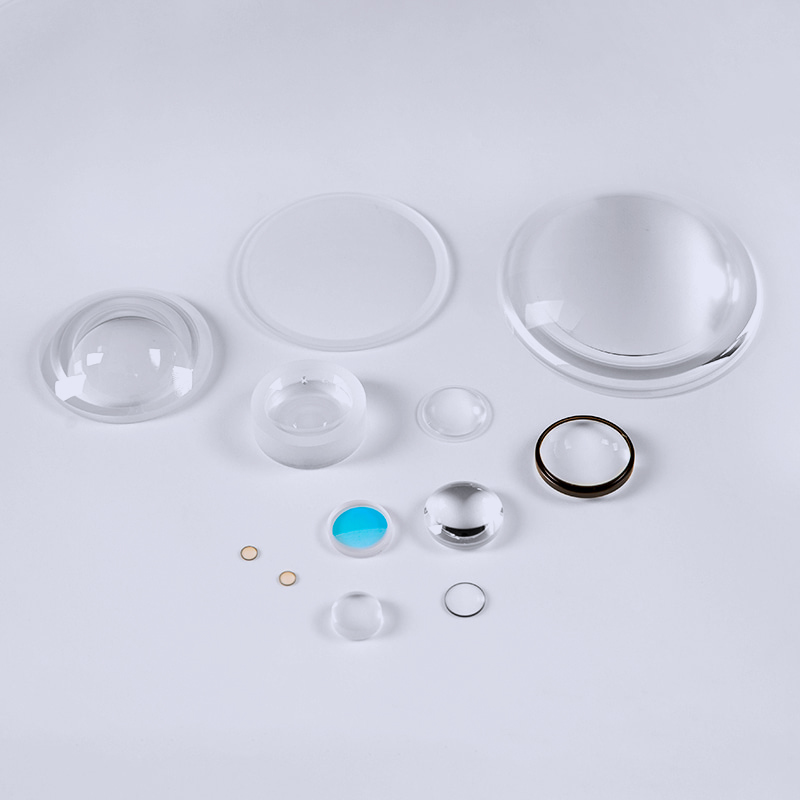
Optical lenses fall into two fundamental shapes—convex and concave—each serving different optical functions. These basic forms are combined into advanced lens designs used in eyeglasses, microscopes, cameras, and projectors.
- Convex lenses focus light inward and are commonly used in reading glasses, magnifying glasses, and camera lenses.
- Concave lenses spread light outward and correct nearsightedness in prescription lenses.
- Progressive lenses provide smooth transitions between distance, intermediate, and close vision.
- Aspheric lenses reduce distortion and produce sharper peripheral vision while remaining thinner.
Optical Lens Materials and Performance Differences
Modern optical lenses are produced from various materials, each offering specific advantages in durability, weight, thickness, and optical clarity. Choosing the right lens material significantly impacts comfort and visual performance.
| Material | Benefits | Best For |
| Plastic (CR-39) | Affordable, lightweight | Everyday glasses |
| Polycarbonate | Impact resistant, thin | Sports and kids |
| High Index Plastic | Ultra-thin design | Strong prescriptions |
| Glass | Superior clarity | Precision optics |
Essential Optical Lens Coatings for Better Vision
Lens coatings enhance visual comfort, durability, and eye protection. Most modern eyeglass lenses come with multiple protective layers that significantly improve daily usability.
Anti-Reflective Coating
Anti-reflective coating reduces glare from screens, headlights, and overhead lighting. It improves light transmission through the lens, resulting in sharper vision and less eye strain—especially useful for computer users and night drivers.
Blue Light Filter
Blue light filter lenses block high-energy visible light emitted by smartphones, monitors, and LED lighting. These coatings help reduce digital eye fatigue and may support healthier sleep patterns.
Scratch-Resistant and UV Protection
Scratch-resistant coatings extend lens lifespan, while UV protection shields eyes from harmful ultraviolet rays that contribute to cataracts and retinal damage.
Choosing the Right Optical Lens for Your Lifestyle
Selecting the ideal optical lens depends on daily activities, prescription strength, and comfort priorities. A lens that suits one person may not perform well for another.
- Office workers benefit from blue light filtering and anti-reflective lenses to reduce screen strain.
- Athletes and children should choose polycarbonate lenses for impact resistance.
- People with strong prescriptions should consider high-index lenses to minimize thickness.
- Drivers gain improved clarity from glare-reducing coatings.
How Optical Lenses Are Used in Cameras and Imaging
Camera lenses consist of multiple optical elements working together to control focus, zoom, and distortion. High-quality lenses reduce chromatic aberration, enhance sharpness, and deliver accurate color reproduction.
Wide-angle lenses capture broader scenes, telephoto lenses magnify distant objects, and prime lenses offer exceptional clarity with fixed focal lengths. Advanced coatings on camera optics also minimize flare and reflections.
Maintaining Optical Lenses for Long-Term Clarity
Proper lens care preserves performance and extends usability. Dirt, oils, and improper cleaning can permanently damage lens coatings.
- Use microfiber cloths and lens-safe cleaning solutions only.
- Avoid paper towels or clothing fabrics that can scratch surfaces.
- Store lenses in protective cases when not in use.
- Rinse dust off before wiping to prevent abrasion.
Future Innovations in Optical Lens Technology
Emerging lens technologies include adaptive focus lenses, smart glasses with embedded displays, and ultra-thin nanomaterial optics. These innovations aim to improve comfort, visual precision, and integration with digital environments.
As optical engineering advances, lenses will continue to become lighter, clearer, and more responsive to individual vision needs—enhancing everything from healthcare diagnostics to everyday eyewear.

 苏公网安备32041102000130号