
 Search
 en
en English
 日本語
日本語 русский
 Español
 Deutsch
 中文简体
中文简体Content
Understanding Optical Glass Filters
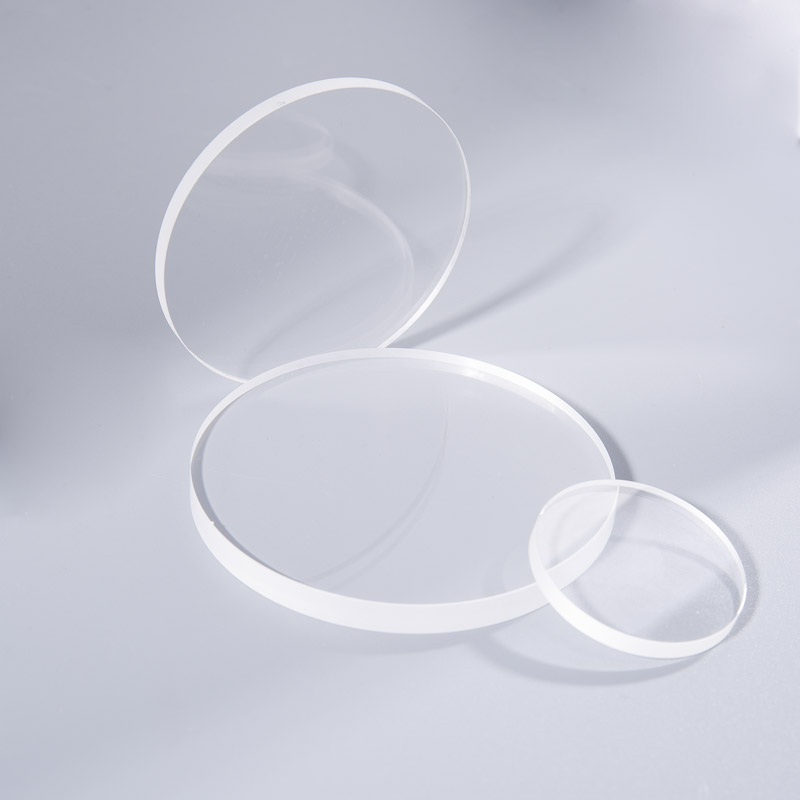
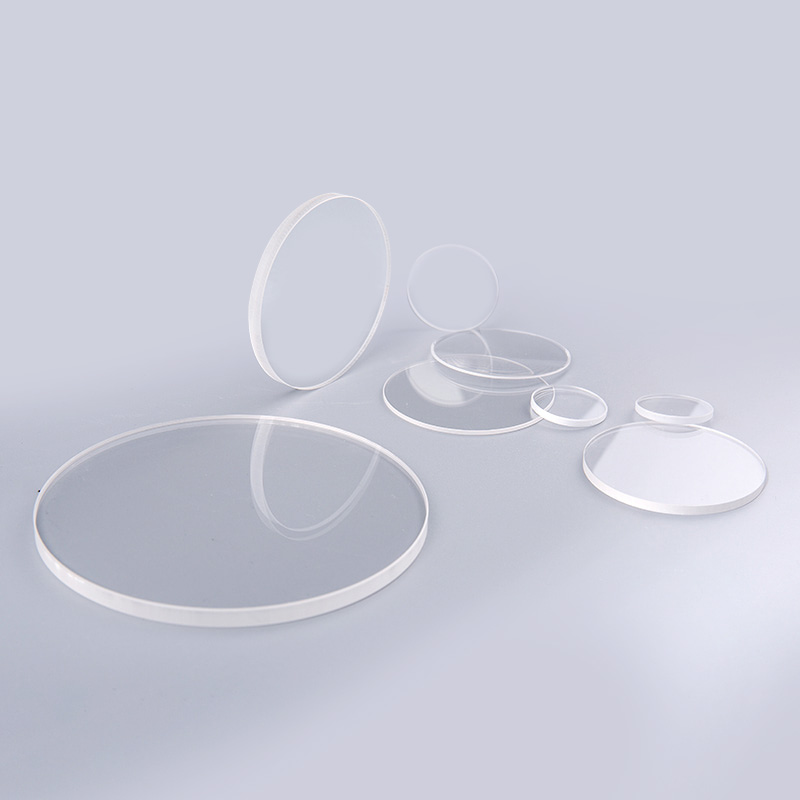
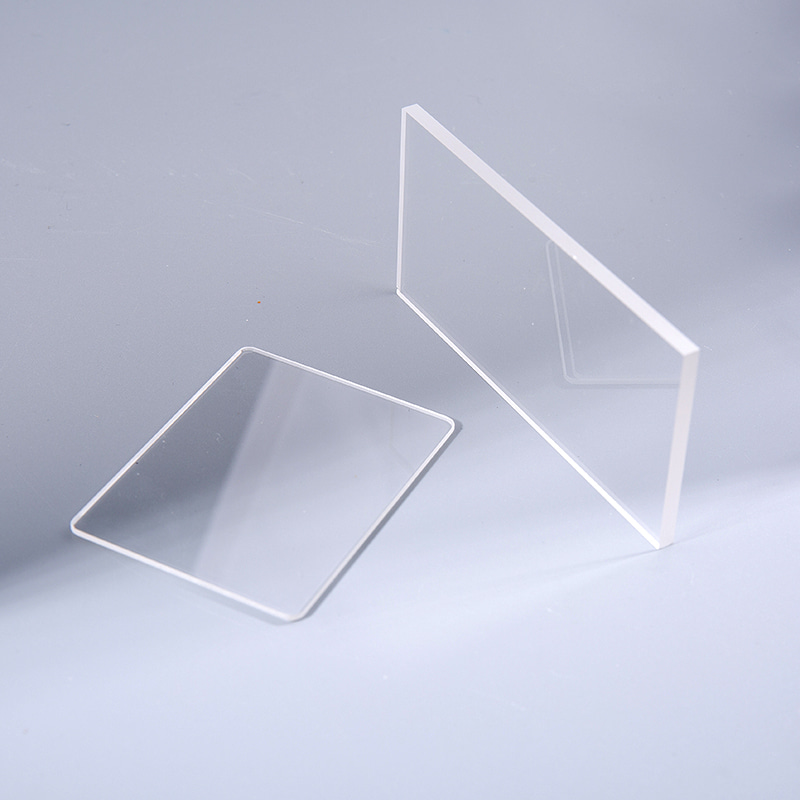
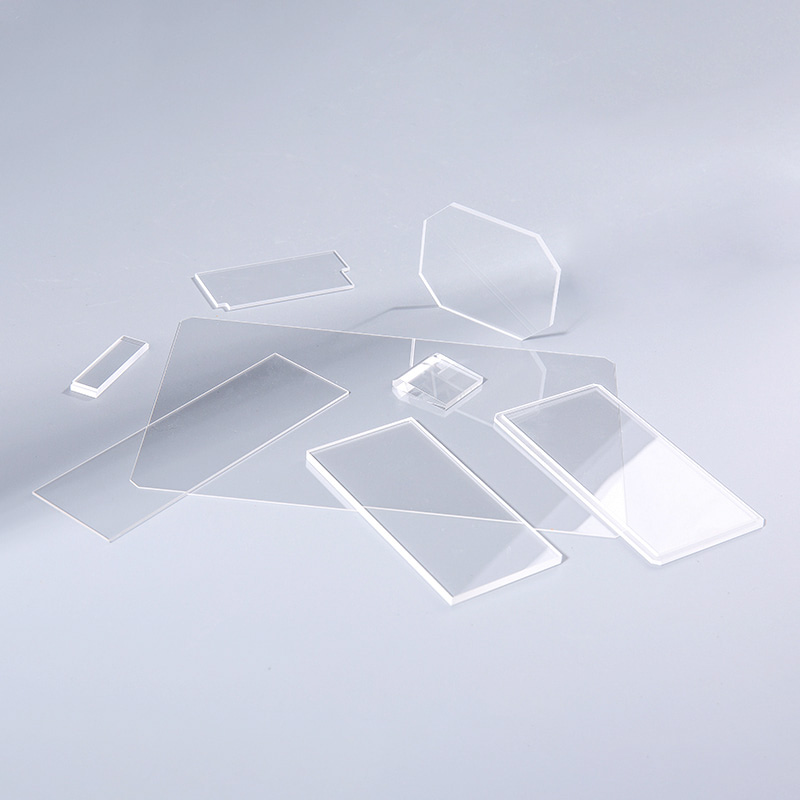
Optical glass filters are precision engineered components that selectively transmit, reflect, or absorb specific wavelengths of light. They are essential in any optical system where control over the spectral content of light is required. Unlike generic colored glass, high‑quality optical glass filters are manufactured under strict tolerances with precise material compositions and coating technologies to ensure repeatable optical performance.
In practical terms, optical glass filters help improve image contrast in cameras, isolate fluorescence signals in microscopy, block unwanted wavelengths in laser systems, and protect sensors in industrial measurement devices. This article focuses on real‑world implementation, specification criteria, and performance considerations for engineers and technicians working with optical glass filters.
Key Types of Optical Glass Filters
Absorptive Glass Filters
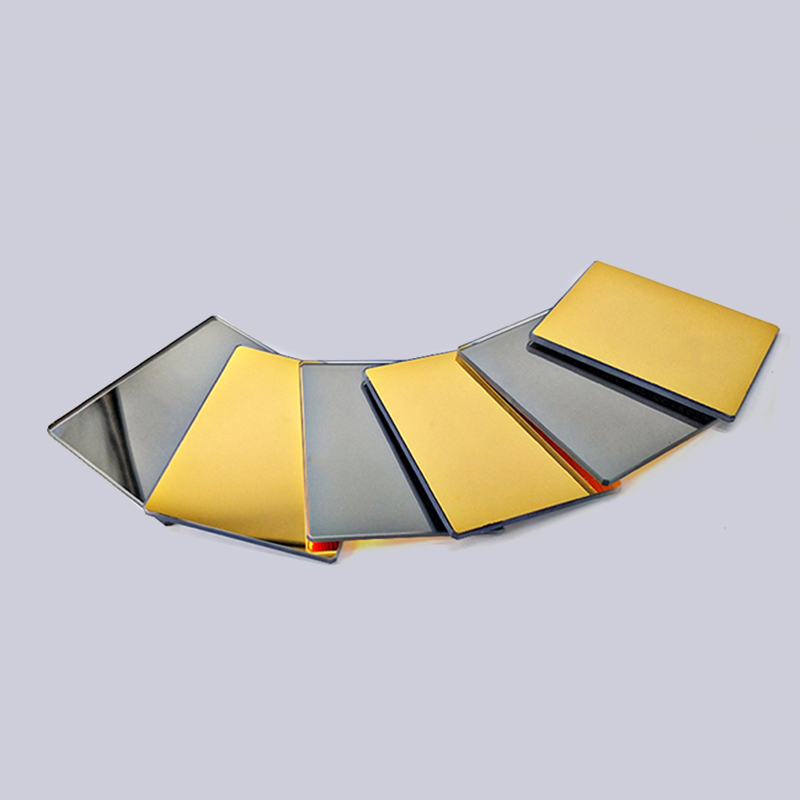
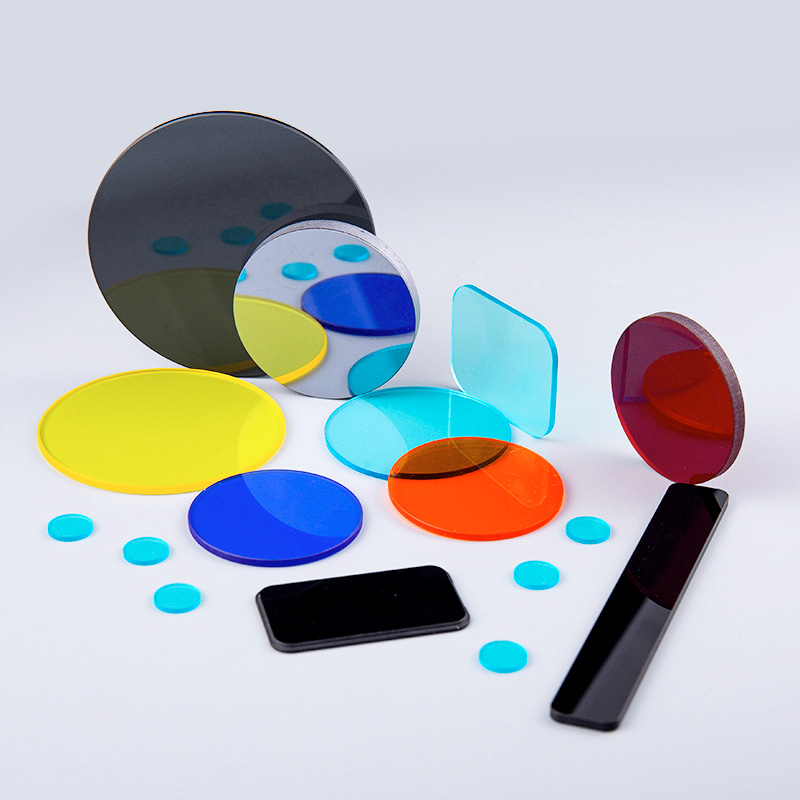
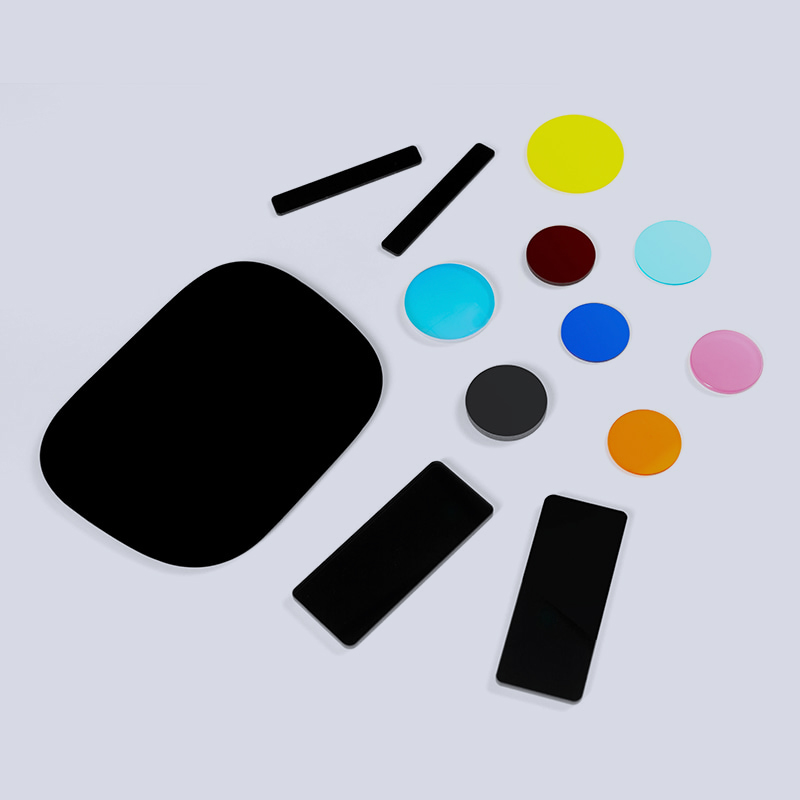
Absorptive glass filters are made from colored glass that inherently absorbs certain wavelengths while transmitting others. Their spectral profile is determined by the dopants distributed within the glass matrix. These filters are often more durable and environmentally stable than some coated alternatives.
- Ideal for visible light applications where heat load is moderate.
- Commonly used in photography for color correction and contrast adjustment.
- Cost‑effective choice where tight bandwidth control is less critical.
Interference (Coated) Glass Filters
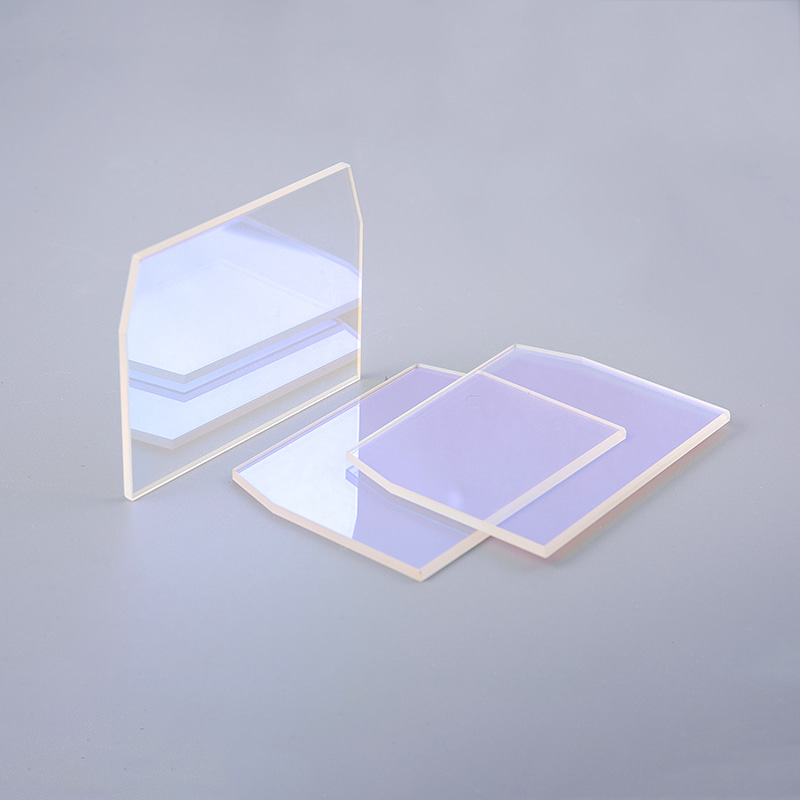
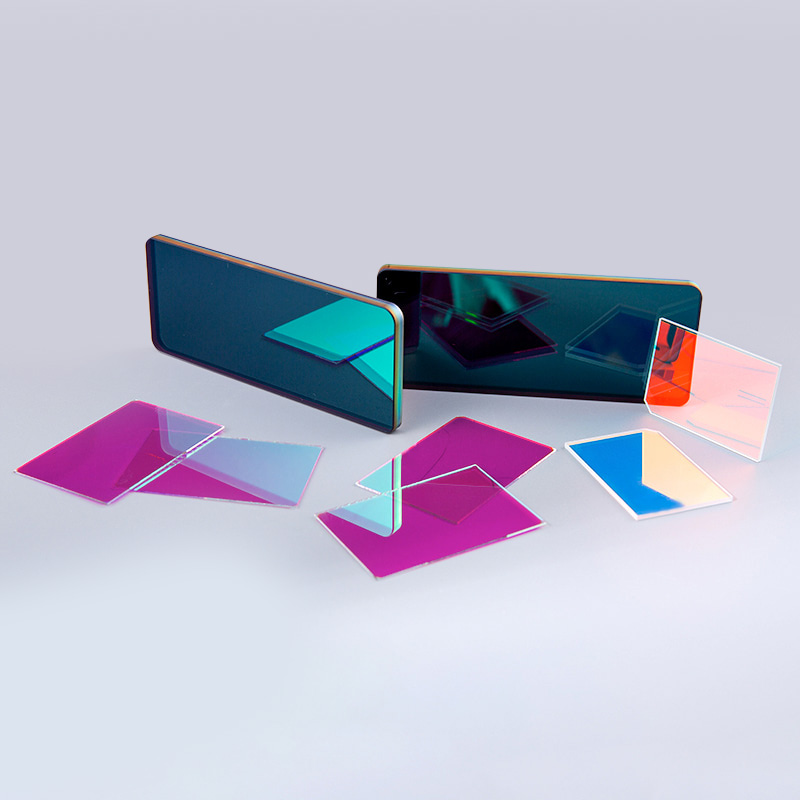
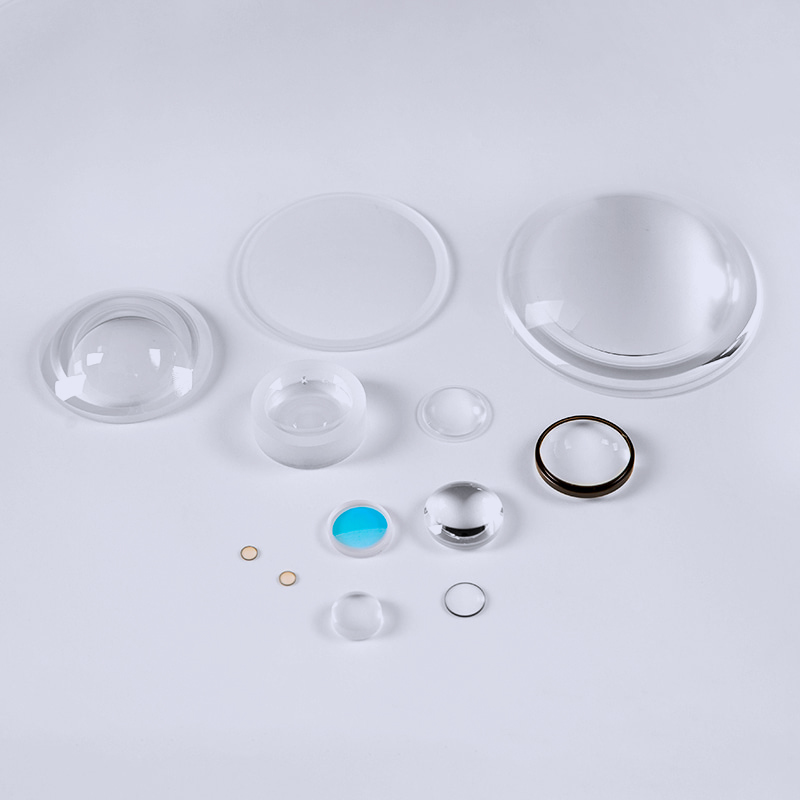
Interference filters use multiple thin film layers deposited on a glass substrate to create constructive and destructive interference. This allows for precise control of transmission and rejection bands. These are widely used where spectral control must be tight, such as in scientific instruments or telecom applications.
- Narrowband and bandpass filter designs with high attenuation outside the passband.
- High efficiency with steep spectral edges.
- Customizable for UV, visible, and NIR (near‑infrared) ranges.
Neutral Density (ND) Filters
Neutral density filters reduce the intensity of light across a broad spectrum without significantly affecting color balance. Optical glass ND filters are essential when light levels exceed sensor or detector tolerance levels.
- Used in photography to allow slower shutter speeds in bright conditions.
- Effective in laser systems to attenuate beam power without spectral distortion.
- Available in fixed, variable, and stepped optical densities.
Selecting Optical Glass Filters: Specifications That Matter
Spectral Characteristics
When selecting a glass filter, the first criteria to examine is its spectral transmission and rejection properties. This typically includes:
- Center Wavelength (CWL): The wavelength at which maximum transmission occurs.
- Full Width at Half Maximum (FWHM): Defines the bandwidth where transmission is greater than half of the peak.
- Blocking Range: Wavelength range over which unwanted light is attenuated.
Reviewing the spectral data sheet ensures the filter performs as required under actual system illumination conditions. For fluorescence microscopy, for example, a bandpass filter should transmit only the fluorophore emission spectrum while rejecting excitation wavelengths with high optical density (OD ≥ 6 is common).
Environmental Durability
Optical glass filters are often exposed to varying temperatures, humidity, and handling. The durability of both the substrate and coatings affects long‑term performance:
- Substrate Material: Borosilicate glass offers thermal stability; fused silica extends performance into UV regions.
- Coating Hardness: Some coatings include protective hard layers to resist scratching in industrial setups.
- Environmental Sealing: Filters used outdoors or in harsh conditions benefit from sealing to prevent moisture ingress.
Optical Quality and Surface Specifications
Optical quality is quantified by parameters like surface figure, surface roughness, and transmitted wavefront error. These terms might sound academic but have practical impact:
- Surface Figure: Impacts focus quality in imaging systems.
- Surface Quality (e.g., scratch‑dig): Affects stray light and scatter.
- Wavefront Distortion: Critical for high‑precision interferometry or laser beam shaping.
Installation and Mechanical Integration
Optical glass filters cannot perform effectively without proper mounting and alignment. Below are practical considerations to ensure reliable integration into optical assemblies.
Mounting Methods
Filters can be mounted using several mechanical approaches depending on the application:
- Threaded Housings: Standard for optical benches and imaging systems.
- Cage Systems: Offer precise alignment within modular setups.
- Custom Brackets: For non‑standard form factors or high vibration environments.
Alignment and Angular Sensitivity
Interference filters in particular exhibit angular dependence: tilting the filter changes the effective passband. To avoid unintended spectral shifts:
- Use fixed mounts that maintain perpendicularity to the optical axis.
- Account for angular shifts in design simulations when space constraints force non‑normal incidence.
- Calibration routines can correct for minor angular deviations in precision systems.
Performance Evaluation and Testing
After installation, validating that the optical glass filter meets system requirements is critical. This often involves spectral measurement and environmental stress testing.
| Test Type | Purpose | Typical Equipment |
| Spectral Transmission | Verify actual transmission curve vs specification | Spectrophotometer |
| Optical Density Measurement | Confirm blocking performance | Optical Power Meter with calibrated sources |
| Environmental Cycling | Assess performance after temperature/humidity stress | Climate chamber |
| Surface Inspection | Check for scratches, digs, coating defects | Microscope with 10x–50x magnification |
Practical Application Scenarios
Photography and Videography
In visual optics, glass filters such as ND, polarizers, and color correction filters enhance creative control. Neutral density filters allow long exposures in bright sunlight without overexposure. Polarizing glass filters reduce reflections and increase color saturation.
Scientific Instrumentation
Microscopy, spectroscopy, and laser diagnostics depend on interference glass filters to isolate spectral bands with high precision. For fluorescence applications, well‑matched excitation and emission filters dramatically improve signal‑to‑noise ratios.
Industrial and Machine Vision
Machine vision systems use glass filters to reject ambient lighting and highlight features of interest. For example, bandpass filters tuned to LED illumination wavelengths improve contrast for automated inspection and alignment tasks.
Maintenance and Cleaning Best Practices
Even high‑end optical glass filters require care to maintain performance. Improper cleaning can damage coatings or scratch surfaces.
- Use filtered air or a soft blower to remove loose particles before touching the surface.
- Apply lens cleaning solution to lens tissue or microfiber cloth—never directly onto the filter.
- Follow manufacturer guidance for coating‑specific care to avoid degradation.
Conclusion
Optical glass filters are precise, application‑specific components that require careful selection, integration, and validation to perform as intended. Whether working in imaging, sensing, or laser systems, understanding the practical aspects of spectral characteristics, mechanical integration, and performance testing ensures that optical glass filters contribute meaningfully to your system’s success.

 苏公网安备32041102000130号