
 Search
 en
en English
 日本語
日本語 русский
 Español
 Deutsch
 中文简体
中文简体Content
Understanding Optical Laser Lenses and Their Importance
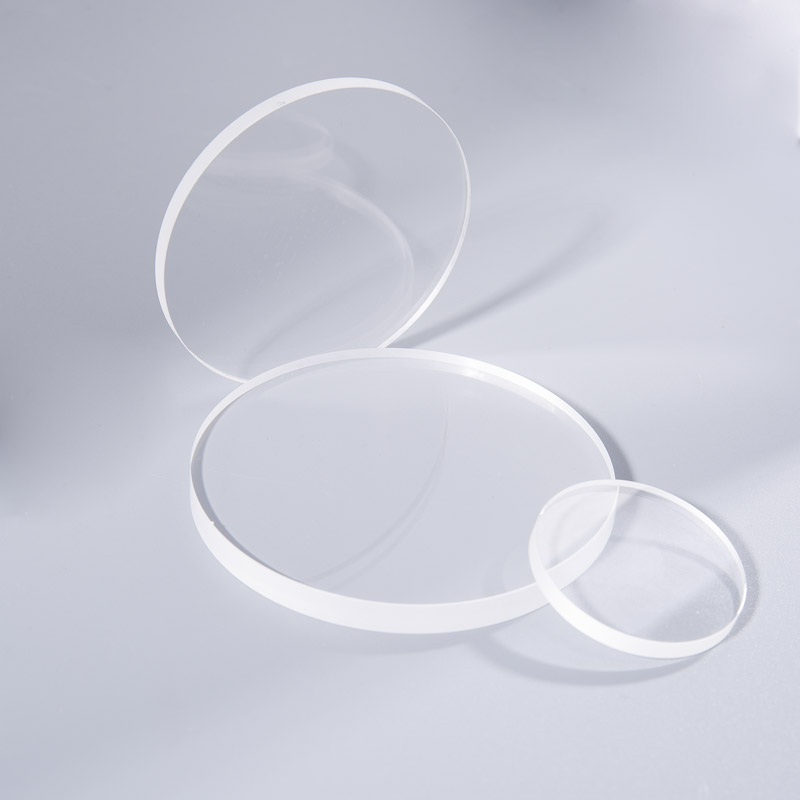
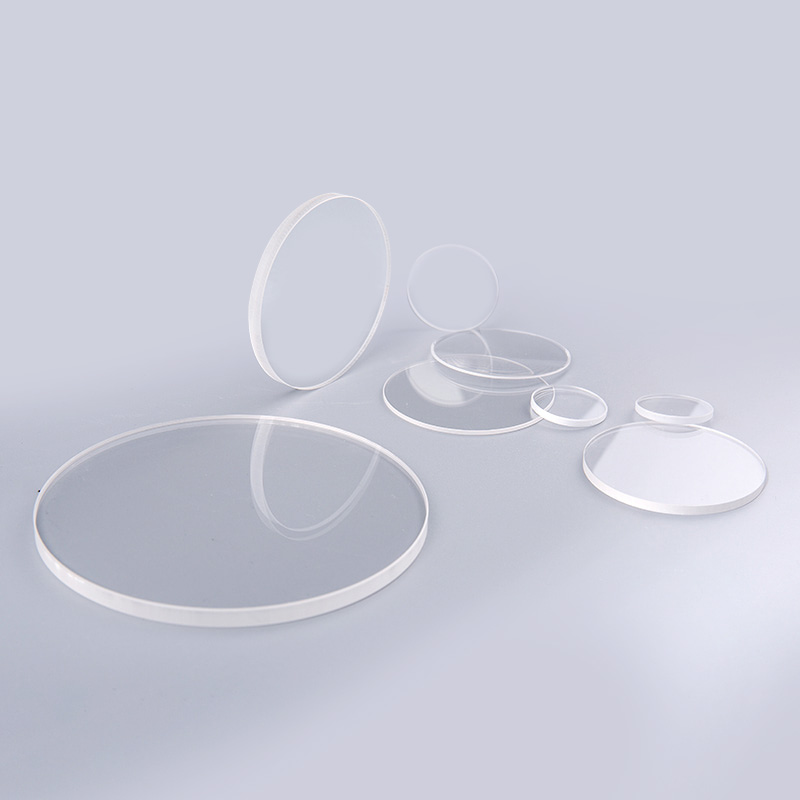
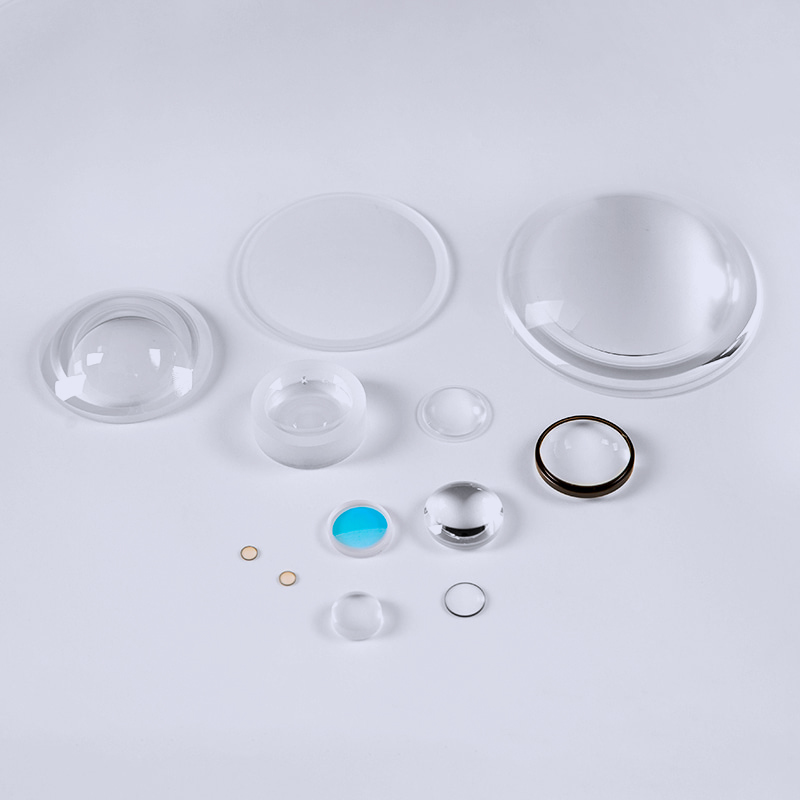
Optical laser lenses are critical components in laser systems, responsible for focusing, shaping, and directing laser beams. They are used in industries ranging from manufacturing and medical treatments to telecommunications and scientific research. The precision of an optical laser lens directly affects the efficiency and quality of the laser process.
High-quality lenses reduce beam distortion, minimize energy loss, and maintain beam coherence over long distances. These lenses are designed to handle different laser wavelengths, power levels, and environmental conditions, making selection a vital step for any application.
Types of Optical Laser Lenses
Optical laser lenses come in various types depending on their function and design. Choosing the correct lens ensures optimal performance for specific laser systems.
Focusing Lenses
Focusing lenses concentrate laser beams to a precise point, enhancing cutting, engraving, or welding performance. They are commonly made from materials like fused silica, BK7 glass, or sapphire to handle high-power laser applications.
Collimating Lenses
Collimating lenses convert divergent laser beams into parallel beams. This is crucial in fiber optic communication, laser scanning, and measurement systems where beam uniformity is required.
Beam Shaping Lenses
Beam shaping lenses adjust the laser profile from Gaussian to flat-top or other customized shapes. This ensures consistent energy distribution, which is essential in material processing and medical laser treatments.
Applications of Optical Laser Lenses
Optical laser lenses are versatile and applied across multiple industries. Each application has specific requirements regarding wavelength, focal length, and lens coating.
- Laser Cutting and Engraving: High-precision lenses focus the laser beam to achieve fine cutting edges and detailed engravings.
- Medical Devices: Lenses in surgical lasers ensure accurate energy delivery for procedures like LASIK or tissue ablation.
- Scientific Research: Used in spectroscopy, microscopy, and laser-based measurements where beam quality is critical.
- Telecommunications: Collimating lenses optimize signal transmission in fiber optic networks.
- Industrial Manufacturing: Laser welding and additive manufacturing rely on lens stability and thermal resistance.
How to Choose the Right Optical Laser Lens
Selecting the correct optical laser lens requires understanding the laser system and the intended application. Factors like wavelength, focal length, numerical aperture, and coating type determine lens performance.
Wavelength Compatibility
The lens material must be transparent to the specific laser wavelength. Using an incompatible lens can cause energy absorption, overheating, and even lens damage.
Focal Length and Spot Size
Focal length affects the beam spot size and depth of focus. Shorter focal lengths concentrate the beam into a finer spot for high-precision cutting, while longer focal lengths are better for deep engraving or welding.
Coatings and Surface Quality
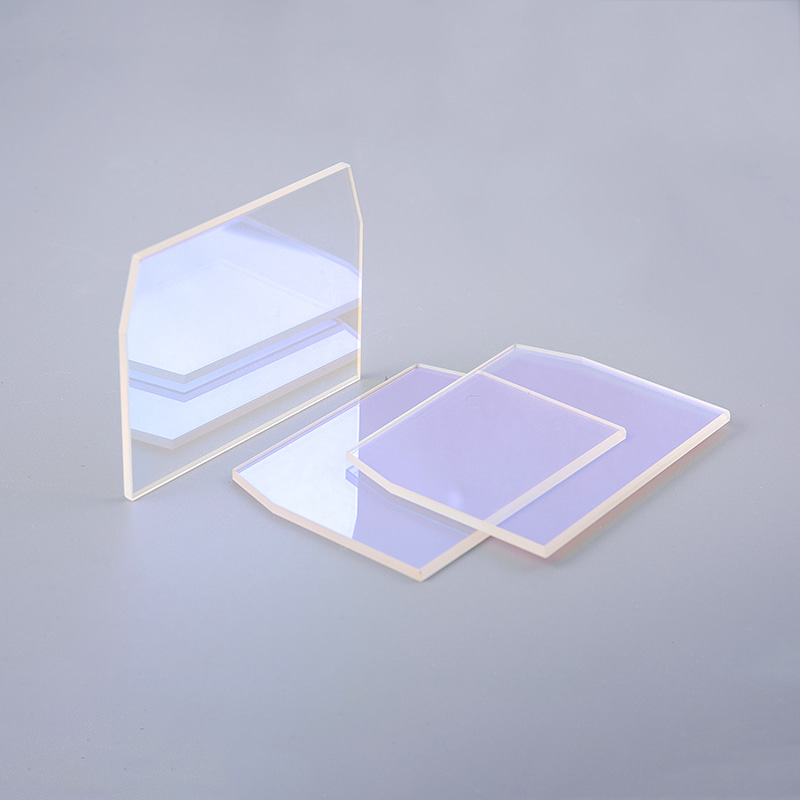
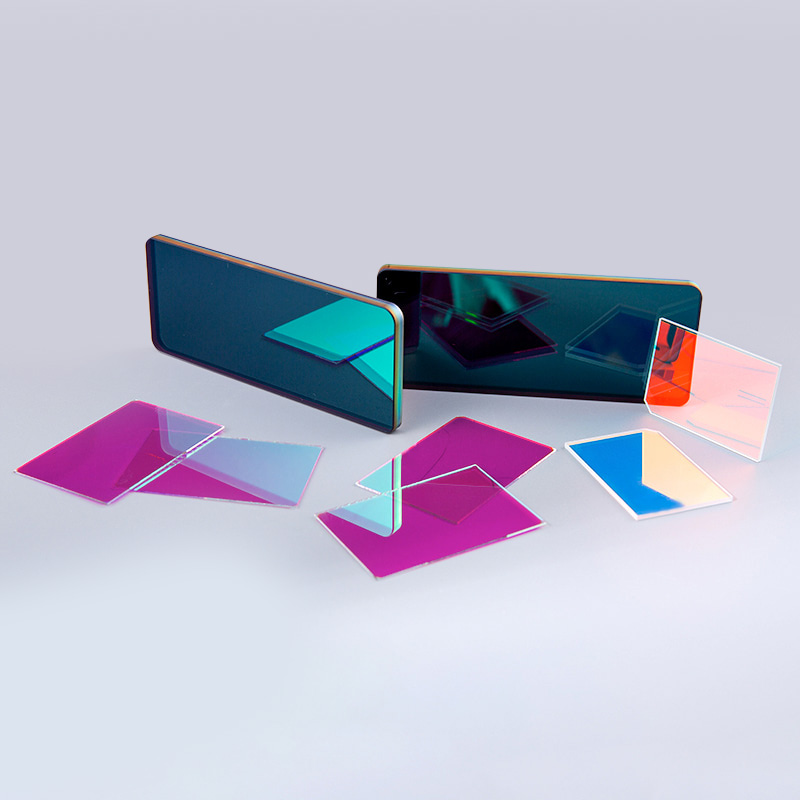
Anti-reflective coatings reduce energy loss and protect against surface damage. High surface quality (scratch-dig specification) ensures minimal scattering and distortion of the laser beam.
Maintenance and Handling of Optical Laser Lenses
Proper maintenance of optical laser lenses prolongs their lifespan and ensures consistent performance. Mishandling can lead to scratches, contamination, and reduced beam quality.
Cleaning Techniques
Use high-purity lens cleaning solutions and lint-free wipes. Avoid excessive pressure that can scratch the lens surface. For stubborn contaminants, ultrasonic cleaning may be applied under controlled conditions.
Storage and Handling
Store lenses in protective cases away from dust, moisture, and direct sunlight. Always handle lenses by the edges and wear gloves to prevent oils and fingerprints from affecting optical performance.
Comparison of Common Optical Laser Lenses
The following table summarizes the most commonly used optical laser lenses, their key characteristics, and typical applications:
| Lens Type | Material | Typical Wavelength | Applications |
| Focusing Lens | Fused Silica | 193–1064 nm | Laser cutting, engraving, welding |
| Collimating Lens | BK7 Glass | 400–1550 nm | Fiber optics, laser measurement |
| Beam Shaping Lens | Sapphire or Fused Silica | 532–1064 nm | Medical lasers, material processing |
Conclusion
Optical laser lenses are fundamental in achieving precision, efficiency, and reliability in laser systems. By understanding lens types, applications, selection criteria, and proper maintenance techniques, professionals can maximize the performance of their laser equipment. Proper lens care not only enhances output quality but also extends the operational lifespan, making it a crucial investment for industrial, medical, and scientific applications.

 苏公网安备32041102000130号