
 Search
 en
en English
 日本語
日本語 русский
 Español
 Deutsch
 中文简体
中文简体Content
The RFQ That Comes Back Wrong Costs More Than Time
A buyer sends a drawing to three suppliers. Two weeks later, the samples arrive — and the surface flatness is off by a factor that ruins beam alignment in the final assembly. The redesign cycle costs six weeks and a missed shipping window. This happens more often than procurement teams expect, and almost always for the same reason: the inquiry left out a spec that mattered.
Sourcing an custom optical prism manufacturing partner is not just a materials purchase. It is a precision-components decision, and the RFQ stage is where most of the risk gets locked in — for better or worse.
Specs to Lock Down Before You Request a Quote
A vague drawing produces a vague quote, and a vague quote produces the wrong part. Before contacting any supplier, confirm these five items internally:
- Prism angle and geometry — even a fraction of a degree off spec shifts the beam path downstream
- Material — optical glass, fused silica, germanium, or zinc selenide, depending on wavelength range
- Surface flatness and angular tolerance — tighter tolerances cost more but reduce failure risk in sensitive assemblies
- Clear aperture and dimensional tolerance — matched to your housing or mount design, not left "approximate"
- Quantity trajectory — prototype run versus production volume changes which supplier is the right fit
Suppliers can quote faster and more accurately when these are fixed upfront. Ambiguity here is the single biggest cause of quote delays and part mismatches.
Matching Prism Type to Application
Not every prism does the same job, and picking the wrong geometry means redesigning the whole optical path later. A quick reference:
| Prism Type | Primary Function | Common Application |
|---|---|---|
| Right-Angle Prism | 90° beam steering | Laser alignment, imaging systems |
| Porro Prism | Image erecting | Binoculars, rangefinders |
| Dove Prism | Image rotation | Optical inspection, scientific instruments |
| Penta Prism | Fixed 90° deviation | Surveying, metrology instruments |
If the application isn't a clean fit for a catalog shape, say so early. A supplier with in-house engineering support can suggest a modified geometry rather than forcing your design around a stock part. For a deeper technical breakdown of how each type functions, this optical prism types and selection guide covers the working principles in more detail. Prisms are frequently specified alongside other precision optical lens components in the same assembly, so it's worth confirming both are sourced to compatible tolerances.
Coatings and Tolerances That Decide Long-Term Performance
Two prisms can look identical and perform very differently once installed. The difference usually comes down to coating and surface precision.
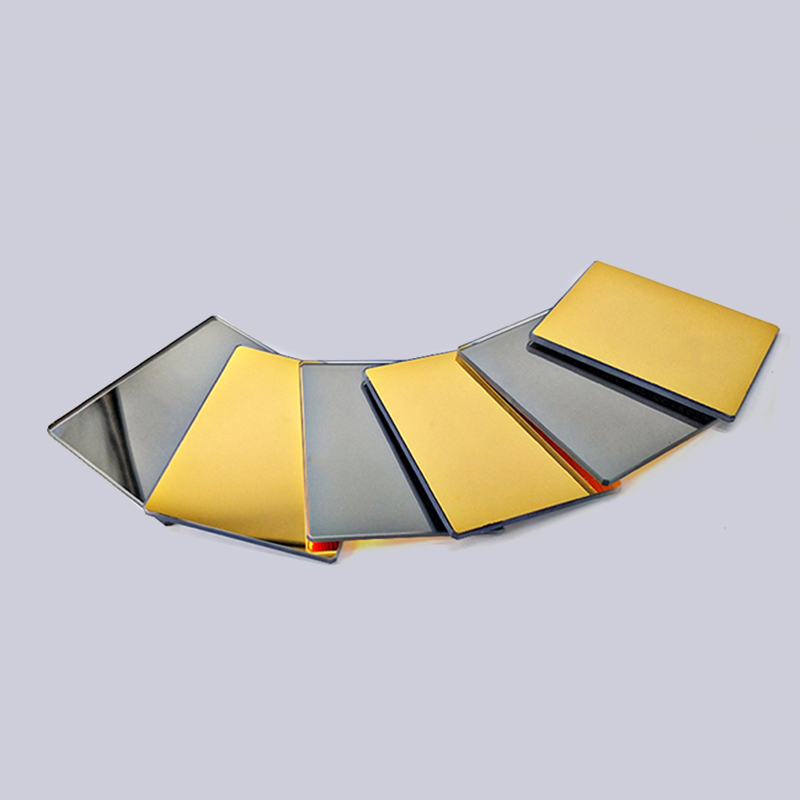
Anti-reflective coatings can push single-surface transmission above 99%, which matters directly in multi-element systems where losses stack up fast. High-reflective coatings turn a prism face into an efficient mirror for beam-folding designs. Surface accuracy specified to λ/4 or λ/10 is standard for coherent optical systems — tighter than that adds cost quickly, so match the spec to the actual system requirement rather than defaulting to the tightest number on the sheet.
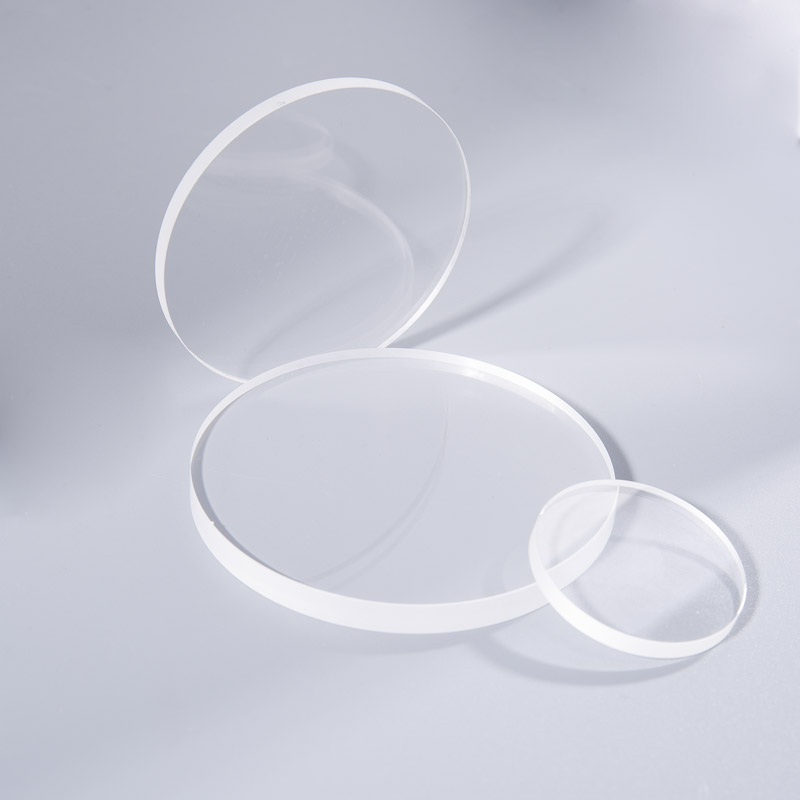
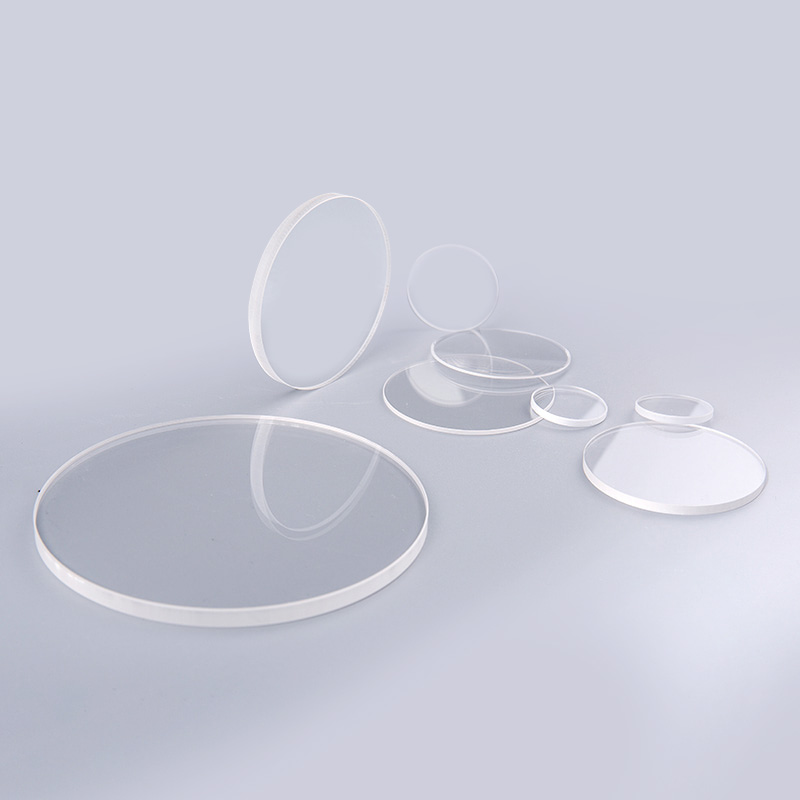
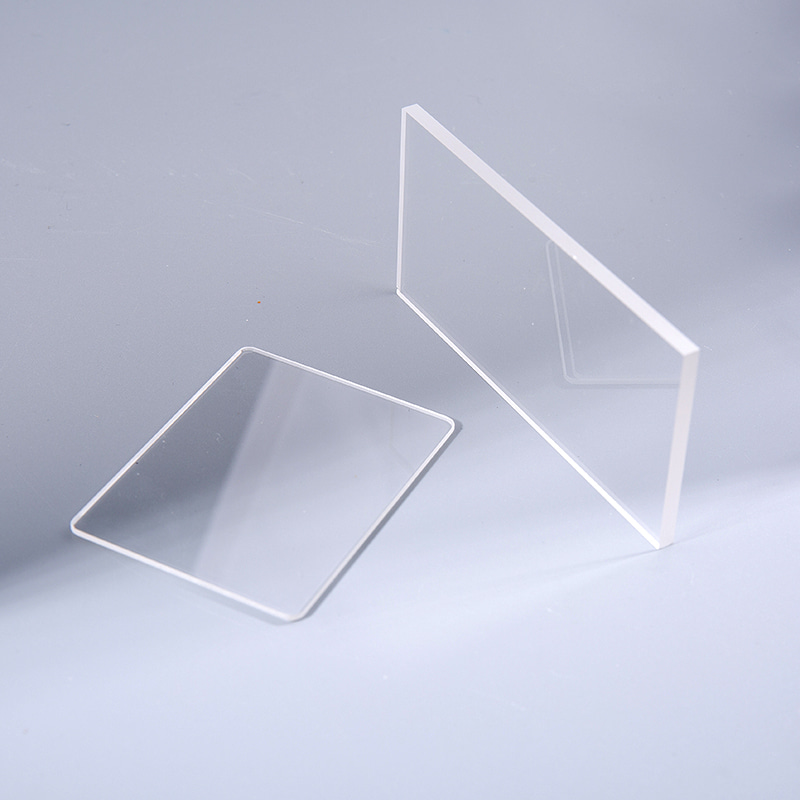
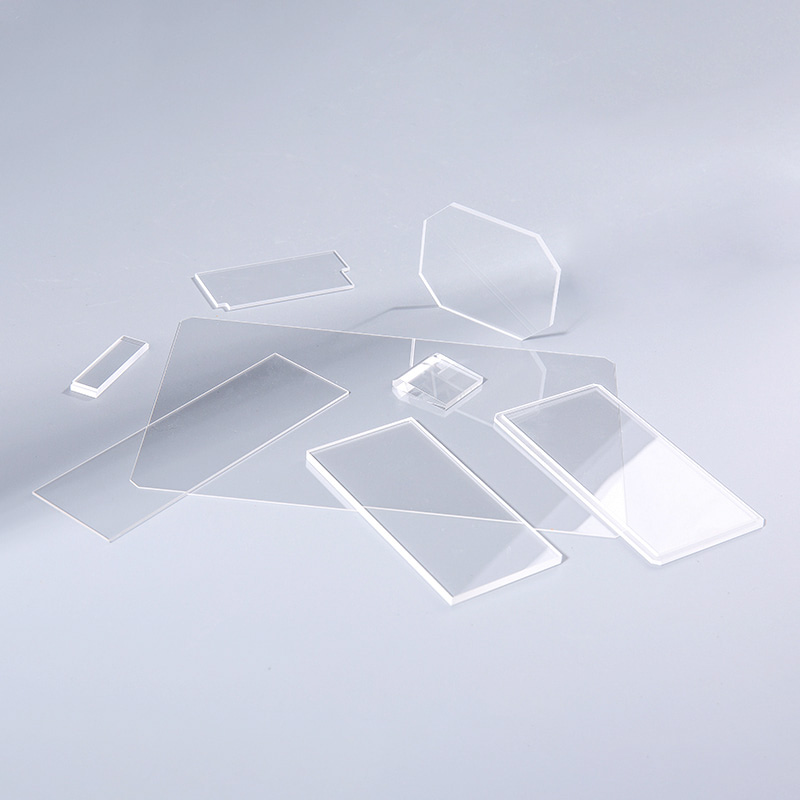
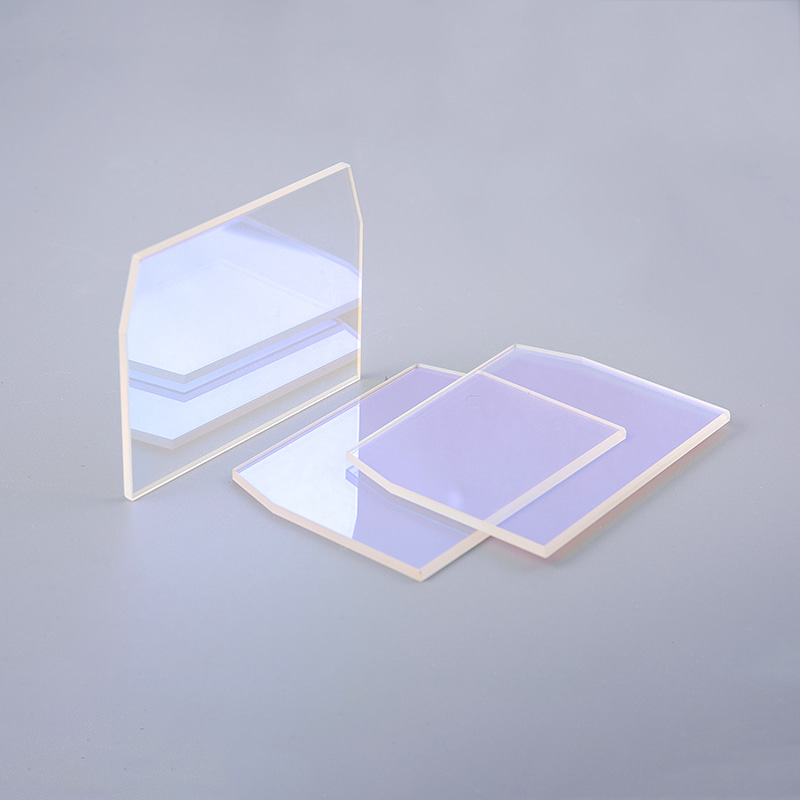
This is also where optical window substrates often get specified together with prisms, since both sit in the same beam path and need matched wavefront performance.
Vetting a Supplier You Can Scale With
A low unit price on the first quote means little if the supplier can't hold tolerance at volume. Before committing, check for:
- ISO 9001 quality management certification, and IATF 16949 if the part feeds into automotive optics
- In-house testing and metrology capability, not outsourced inspection
- A track record moving from prototype to production without re-tooling the whole process
- Engineering support that can flag design issues before they become manufacturing defects
A manufacturer with its own precision optical engineering center — rather than a trading company reselling capacity — tends to catch these issues earlier, because the same team that reviews your drawing also owns the production line. If you're ready to move from spec sheet to sample, you can request a custom optical prism quote directly with your drawing in hand.


 苏公网安备32041102000130号