
 Search
 en
en English
 日本語
日本語 русский
 Español
 Deutsch
 中文简体
中文简体Content
- 1 Why Quartz Wafer Selection Errors Cost Procurement Teams More Than Money
- 2 Fused vs Single-Crystal Quartz Wafers: Matching Material to Application
- 3 Specifications Buyers Must Verify Before Placing an Order
- 4 Standard Sizes vs Custom Quartz Wafer Requests
- 5 Five Questions to Ask Before You Sign a Quartz Wafer Purchase Order
Why Quartz Wafer Selection Errors Cost Procurement Teams More Than Money
A wrong material call on a quartz wafer order rarely shows up until the batch is already in production. A supplier ships wafers that meet the diameter and thickness on paper, but the crystal structure doesn't match the application — and an entire lot fails downstream testing. For procurement teams sourcing optical or semiconductor-grade substrates, that mistake means a delayed program, a scrapped batch, and a scramble to requalify a new vendor.
Quartz wafers aren't a single commodity. They split into two distinct material families, each suited to different applications, and the specification sheet alone won't tell you which one you're buying unless you know what to look for. This guide covers what actually matters before you sign a purchase order.
Fused vs Single-Crystal Quartz Wafers: Matching Material to Application
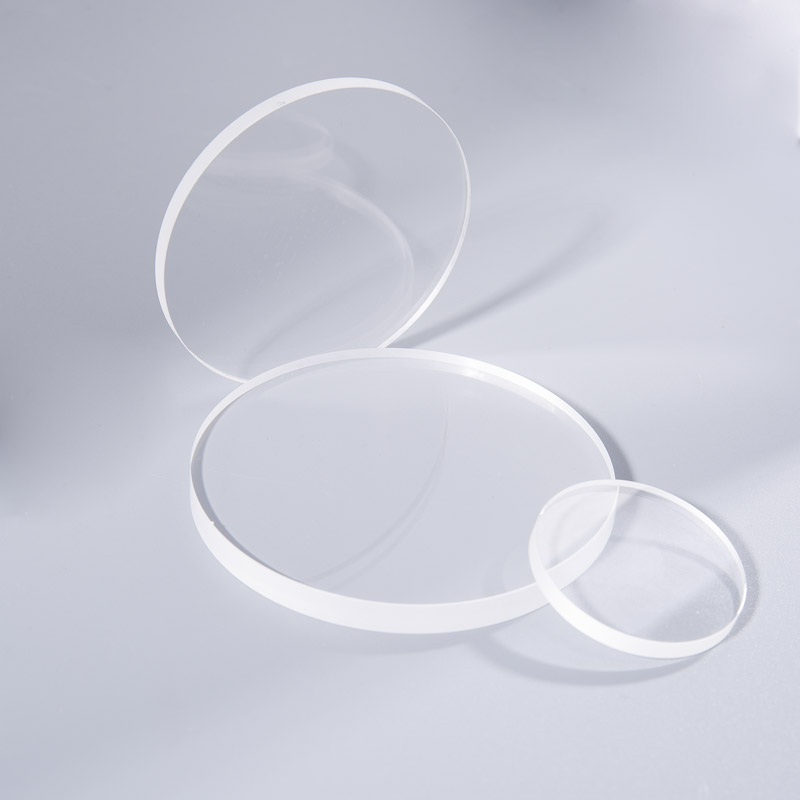
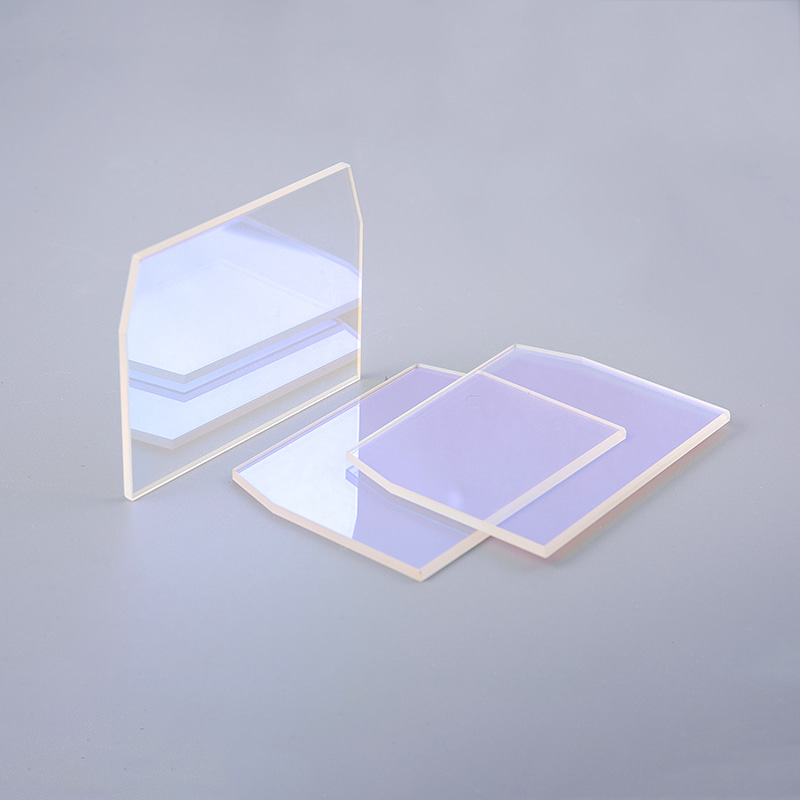
Fused quartz wafers start as natural quartz granules, melted and fused into a solid amorphous block before being sliced. Because the silicon dioxide loses its ordered crystal lattice during fusing, the resulting wafer behaves more like glass — excellent UV transmission, high temperature resistance, and strong chemical inertness. This makes fused quartz the right call for lithography optics, laboratory ware, and high-temperature furnace components.
Single-crystal quartz wafers are grown under controlled conditions to preserve an organized crystal lattice and defined axis orientation. That structure is what gives quartz its piezoelectric properties, making it essential for oscillators, SAW filters, and RF resonators — applications where fused quartz simply won't perform. If your end product depends on precise electrical or electromechanical behavior, you need the crystalline version, not the fused one, and it's worth reviewing a quartz wafer cuts and orientation selection guide before finalizing which cut angle your design calls for.
Buyers who source both wafer types often also compare quartz against sapphire wafer substrates for applications demanding higher hardness or different optical windows — worth a quick check if your spec isn't locked yet.
Specifications Buyers Must Verify Before Placing an Order
Once material type is settled, the real qualification work is in the numbers. A reliable quartz wafer supplier should be able to confirm, in writing, the following before you commit to a purchase order:
- Diameter tolerance (commonly ±0.1mm across standard sizes)
- Thickness and total thickness deviation (TTV) — critical for lithography and bonding processes
- Surface roughness (Ra) and warpage limits
- Surface finish: double-side polished vs single-side polished
- Edge treatment — flat or notched, and edge angle
- Raw material source (Corning, Nikon, and Heraeus are common feedstocks for high-purity quartz)
Suppliers producing at scale typically list their custom quartz wafer specifications and standard sizes directly on their product pages — a good indicator of manufacturing transparency versus a vendor that only quotes on request. If a supplier can't produce documentation on TTV or warpage limits, that's a signal to keep looking rather than assume the wafers will pass your incoming inspection.
Standard Sizes vs Custom Quartz Wafer Requests
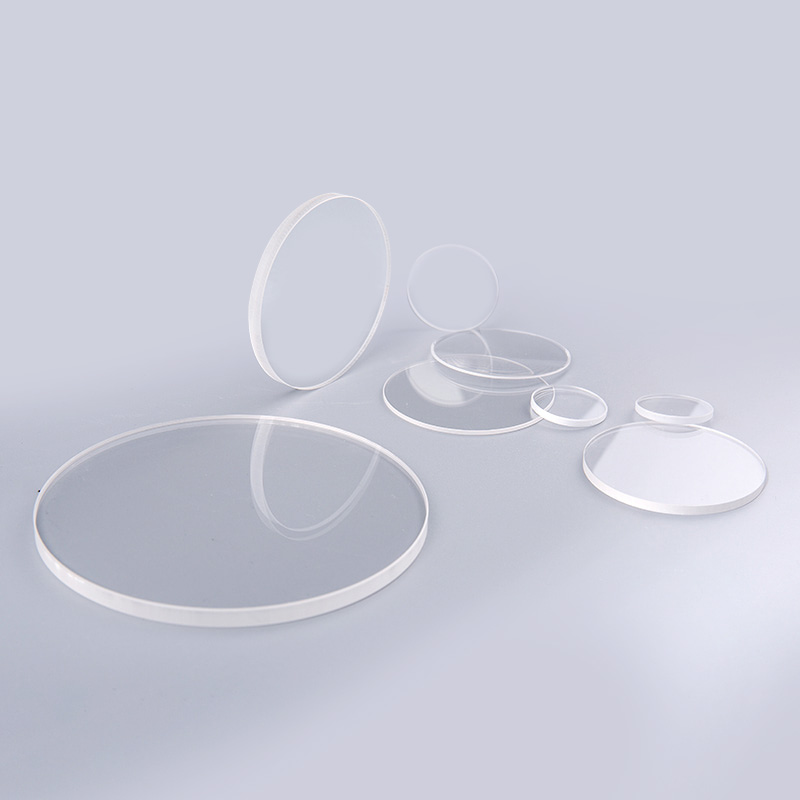
Standard diameters — 2, 3, 4, 5, 6, 8, and 12 inch — are usually held in stock or run on a predictable production cycle, which keeps lead times short and unit costs lower. Thickness generally starts around 0.1mm on the thin end, with most production runs sitting well above that for handling stability.
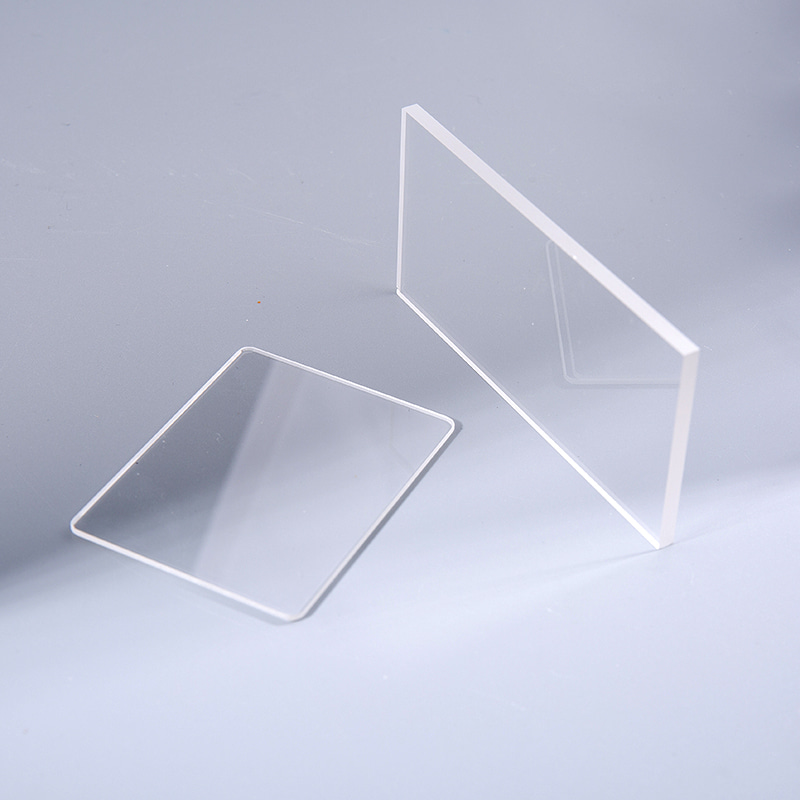
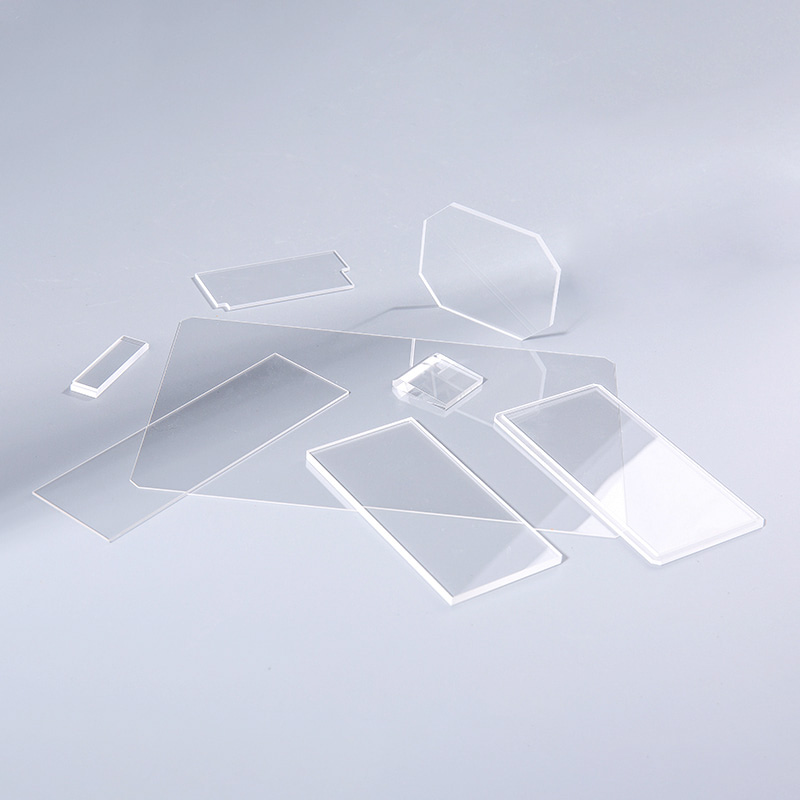
Custom requests — non-standard diameters, unusual thicknesses, or specialized edge geometries — add lead time because they require dedicated slicing and polishing setups. If your project timeline is tight, it's worth checking a supplier's full precision wafer product line for a near-standard option before committing to a fully custom spec, since even small deviations from stock sizes can add weeks to delivery.
Five Questions to Ask Before You Sign a Quartz Wafer Purchase Order
Before finalizing any quartz wafer order, run the supplier through these:
- Is this fused or single-crystal quartz, and does that match my application's electrical or optical requirements?
- Can you provide a certificate confirming diameter, thickness, TTV, and warpage for this specific lot?
- What raw material source do you use, and is it consistent batch to batch?
- What's the lead time difference between your standard sizes and a custom request?
- What quality certifications does your facility hold (ISO 9001, IATF 16949, etc.)?
A supplier that answers all five without hesitation is one worth building a long-term sourcing relationship with. One that can only answer the first two probably isn't ready for a production-volume order.

 苏公网安备32041102000130号