
 Search
 en
en English
 日本語
日本語 русский
 Español
 Deutsch
 中文简体
中文简体Content
Optical components play a crucial role in shaping, manipulating, and controlling light in various optical systems. From fundamental devices like lenses and mirrors to more complex components used in cutting-edge technologies, understanding the various optical components and their functions is essential for engineers, scientists, and manufacturers alike. This article delves into the primary types of optical components, their specific functions, and applications across diverse industries.
Lenses: The Core of Light Manipulation
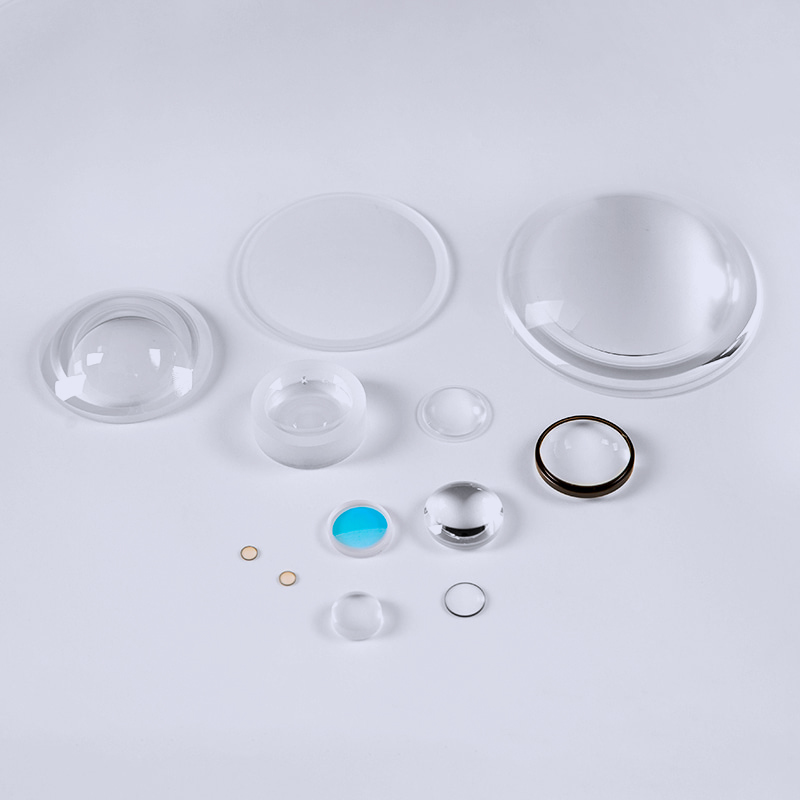
Lenses are perhaps the most widely recognized optical components, used to focus or diverge light beams. Made from materials like glass or plastic, they are carefully shaped to bend light in specific ways. Lenses are categorized into different types, each serving a distinct function in optical systems.
Types of Lenses
- Convex Lenses: These lenses are thicker in the center and converge light rays to a focal point. They are commonly used in magnifying glasses and cameras.
- Concave Lenses: These are thinner in the center and diverge light rays. They are typically used in telescopes and eyeglasses for nearsightedness correction.
- Aspheric Lenses: With a non-spherical shape, these lenses help reduce optical distortions, making them essential in high-precision imaging systems.
In optical instruments like microscopes, telescopes, and cameras, lenses perform functions ranging from focusing light to correcting aberrations. The quality of the lens material and shape directly impacts the system's performance.
Mirrors: Reflecting and Directing Light
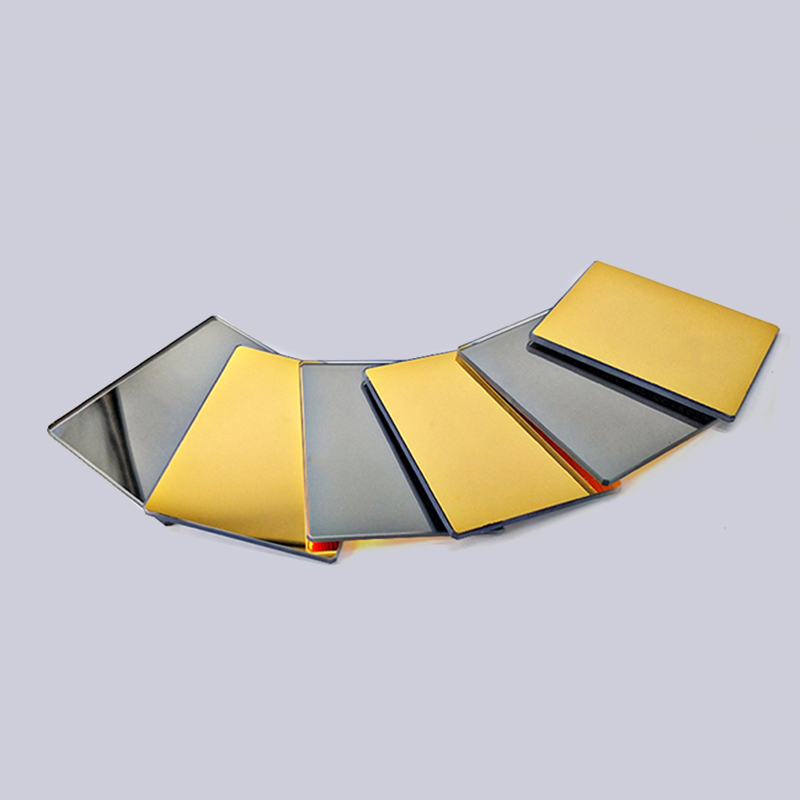
Mirrors are essential optical components used for reflecting light and directing it to specific locations. They come in various shapes, including flat, concave, and convex, and are typically made from highly reflective materials such as aluminum or silver coatings on glass.
Applications of Mirrors
- Reflecting Telescopes: Concave mirrors gather and focus light from distant objects. These telescopes use mirrors instead of lenses for better image clarity.
- Laser Systems: Mirrors are integral in directing laser beams in precision laser systems, whether for cutting, engraving, or medical treatments.
- Optical Instruments: Flat mirrors are used to redirect light paths in optical instruments such as spectrometers and periscopes.
Mirrors are also used in solar energy systems where they reflect and focus sunlight to generate heat or power. Their precision and surface quality determine the effectiveness of these systems.
Prisms: Dispersion and Refraction of Light
Prisms are optical components that manipulate light through refraction, which causes light to change direction as it passes through different mediums. The most common application of prisms is the separation of light into its constituent colors, a process known as dispersion.
Key Functions of Prisms
- Dispersion: When white light passes through a prism, it is separated into its individual colors (spectrum). This is the principle behind rainbows and spectrometers.
- Reflection: Prisms can also reflect light at specific angles, making them useful in applications like periscopes and binoculars.
- Beam Steering: Certain prisms are designed to change the angle of a light beam without altering its other properties, which is useful in laser systems.
In optical communications, prisms are used in devices like spectrometers to analyze light and determine the properties of different materials. They are essential in the design of fiber-optic systems where precision is key.
Optical Filters: Controlling Light Wavelengths
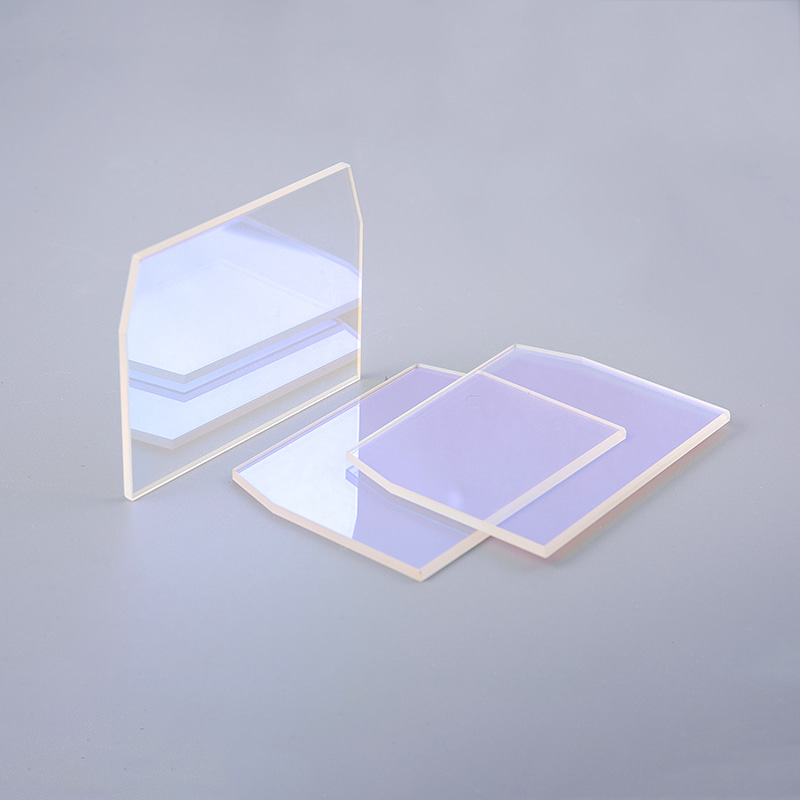
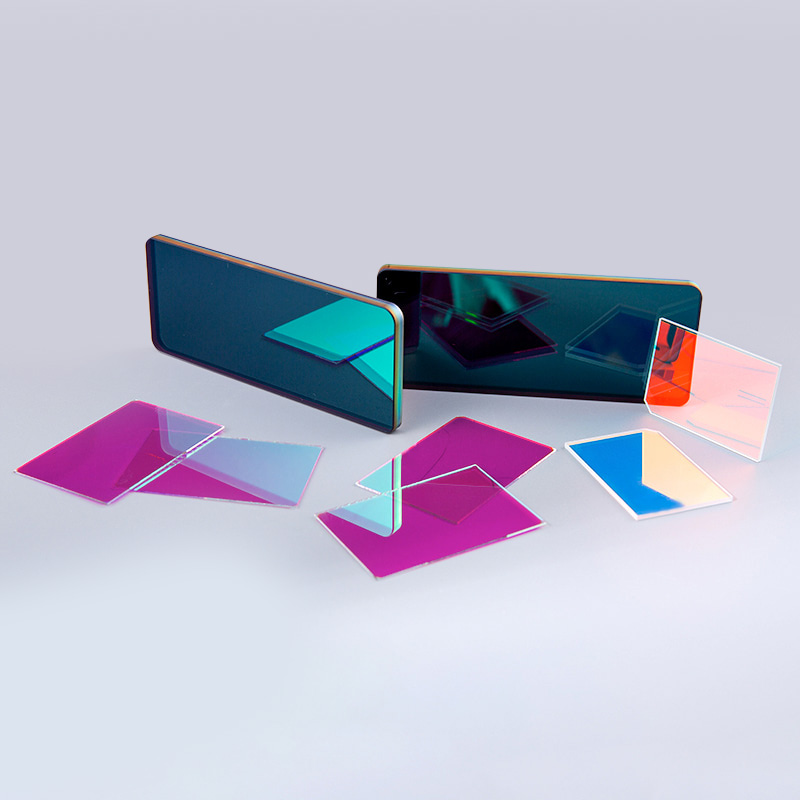
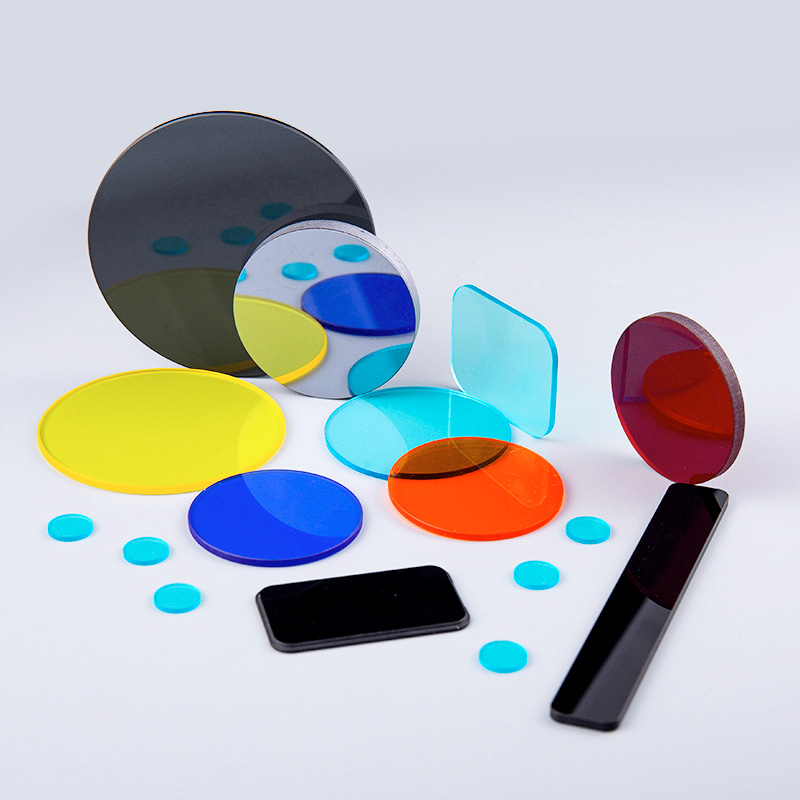
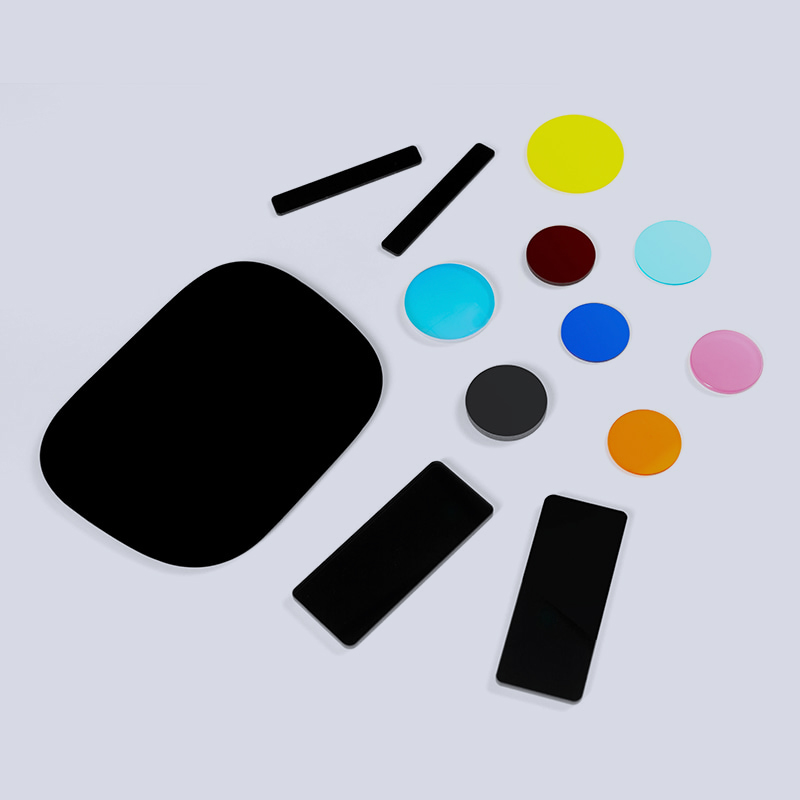
Optical filters are components that selectively transmit or block specific wavelengths of light. These filters are often used in applications where precise control over the light spectrum is necessary, such as in photography, spectroscopy, and optical sensing systems.
Types of Optical Filters
- Bandpass Filters: These filters allow a specific range of wavelengths to pass while blocking others. They are widely used in optical sensing and imaging systems.
- Long-pass Filters: These filters transmit longer wavelengths while blocking shorter wavelengths, useful in fluorescence microscopy.
- Short-pass Filters: Conversely, short-pass filters transmit shorter wavelengths and block longer wavelengths, commonly used in laser safety applications.
Optical filters are critical for reducing noise and interference in optical measurements, ensuring that only the desired wavelengths are used for analysis. These filters also protect sensitive detectors from overexposure to light outside the desired spectrum.
Applications of Optical Components in Technology
Optical components are integral to a wide range of modern technologies, from consumer electronics to advanced medical devices. Below are some areas where optical components play a significant role:
1. Imaging Systems
- In digital cameras, lenses and sensors capture images, while optical filters ensure high-quality color reproduction.
- In medical imaging systems, such as endoscopes, optical components like fiber optics enable non-invasive procedures.
2. Laser Technologies
- Mirrors and lenses are used in laser systems for precise beam focusing and direction.
- Prisms and filters help fine-tune laser characteristics for applications in material processing, research, and medicine.
3. Telecommunications and Fiber Optics
- Prisms, lenses, and optical filters are used in fiber-optic communication systems to control light signals over long distances.
- Wavelength division multiplexing (WDM) technologies rely on optical filters to manage multiple channels of data transmission.
From consumer devices to critical infrastructure, optical components are indispensable in modern technological systems. Their ability to manipulate light with precision enables innovations that drive industries forward.
Conclusion
In conclusion, optical components are fundamental to the functioning of many modern devices and systems. Whether it's for imaging, communication, or laser technology, understanding the different types of optical components and their applications helps ensure their proper use in various fields. As technology continues to evolve, the role of optical components will only become more critical in advancing the capabilities of scientific, industrial, and commercial systems.

 苏公网安备32041102000130号