
 Search
 en
en English
 日本語
日本語 русский
 Español
 Deutsch
 中文简体
中文简体Content
Why Flatness Specs Make or Break Your Project
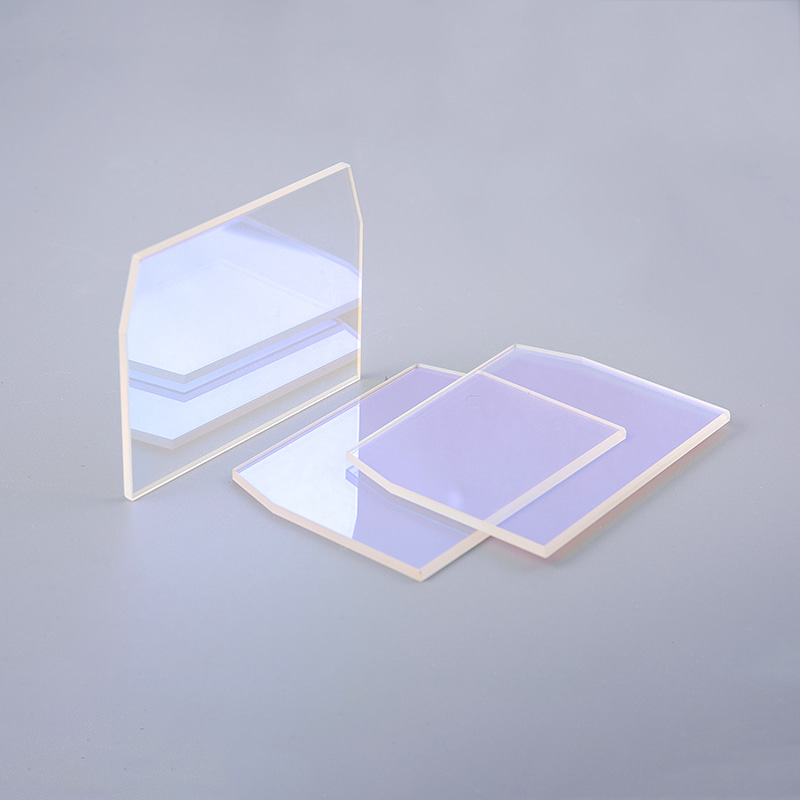
Two mirrors can look identical on a spec sheet and cost three times apart. The difference usually comes down to a single number: surface flatness. A λ/4 mirror handles routine beam steering just fine, but drop it into an interferometer or a high-power laser cavity and it introduces enough wavefront distortion to throw off your entire measurement.
Before comparing quotes, buyers need to know what each flatness tier actually buys them — otherwise it's easy to overpay for precision you don't need, or worse, underspec a component that ends up bottlenecking the whole system.
Substrate Material: BK7, Fused Silica, or Something Else
BK7 glass covers most general-purpose applications — it's affordable, polishes well, and holds up fine at room temperature. Fused silica earns its higher price tag in environments with thermal swings or UV exposure, since its coefficient of thermal expansion is far lower than BK7's.
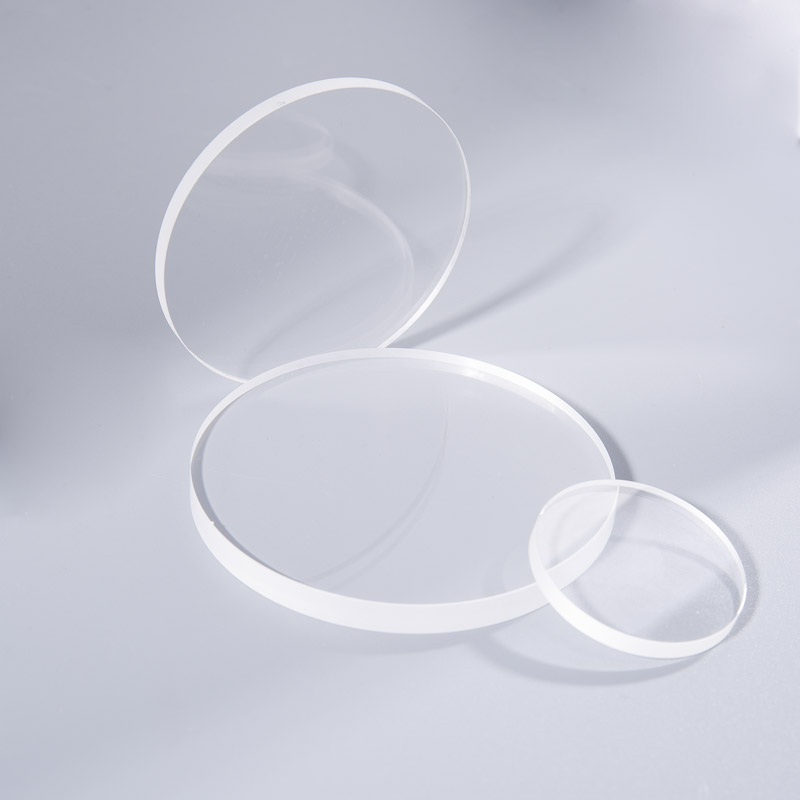
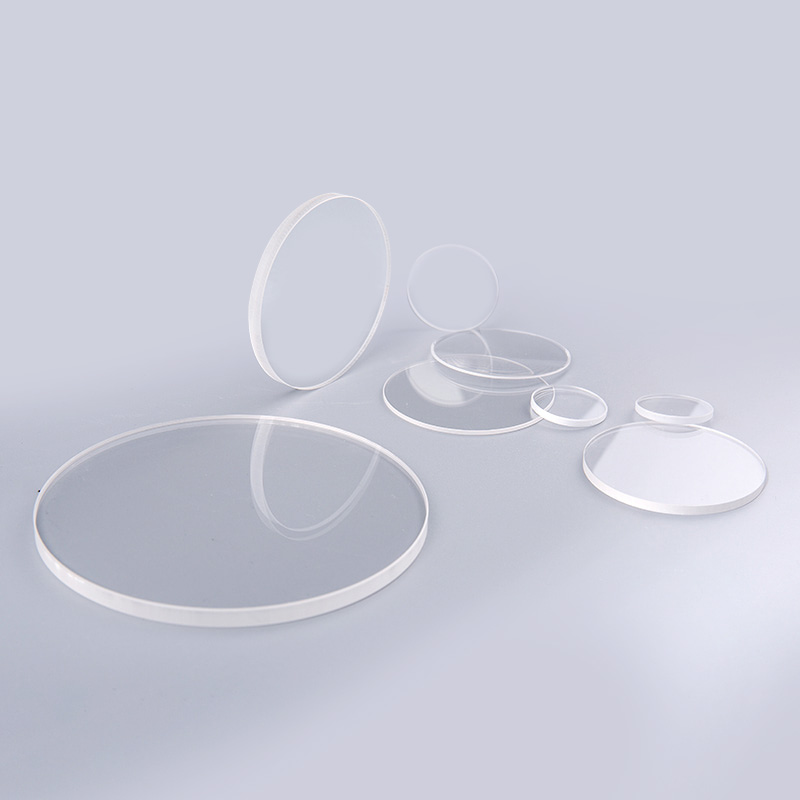
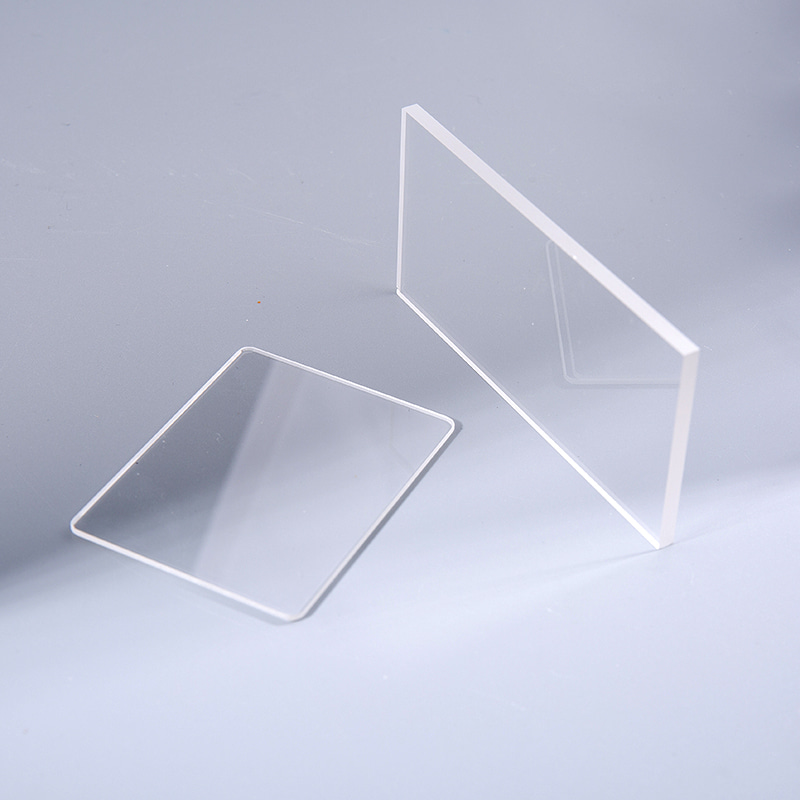
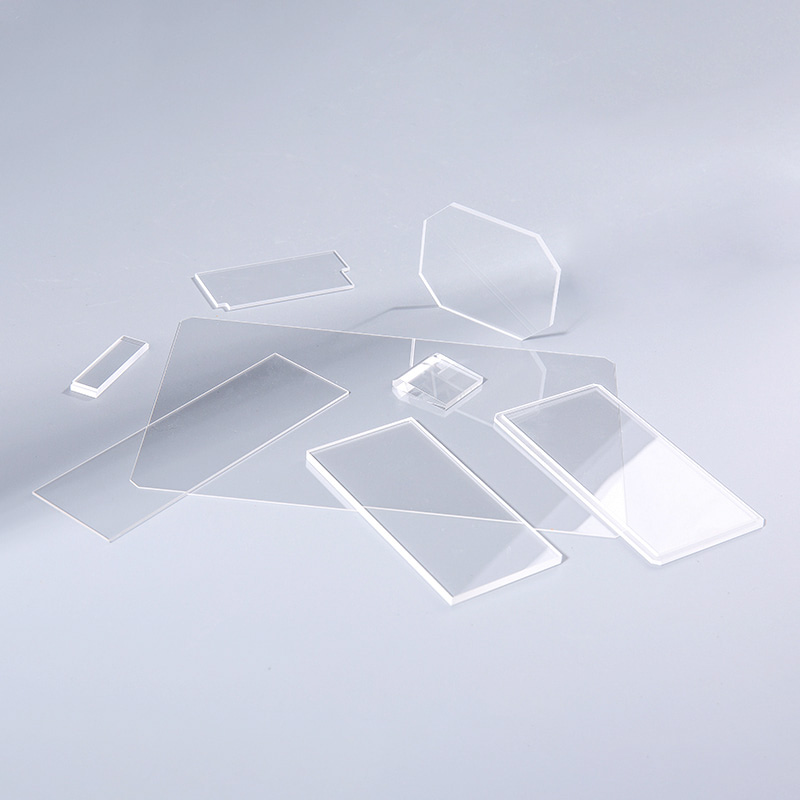
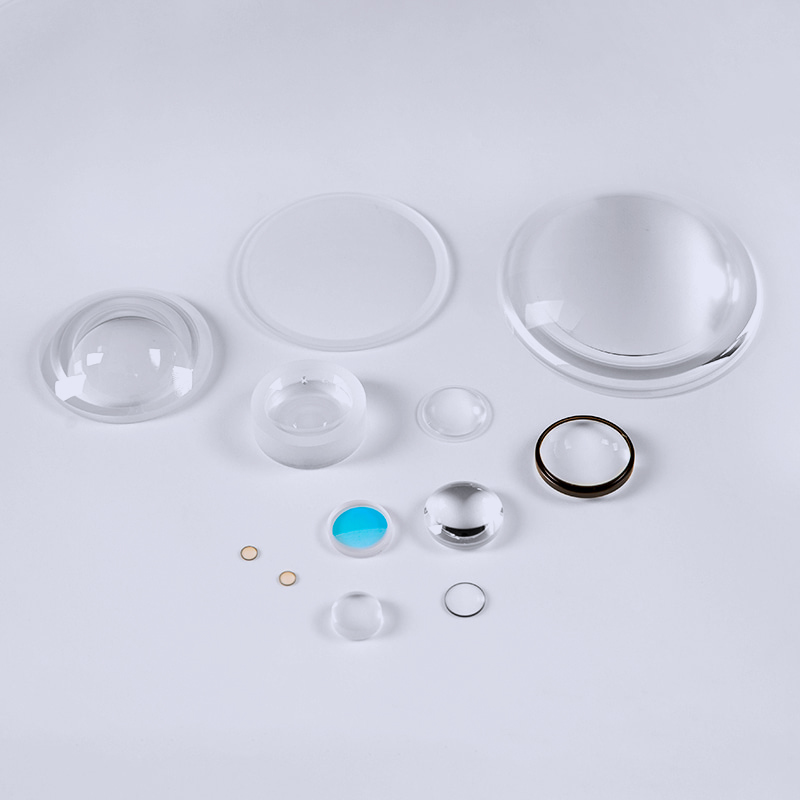
For applications where temperature stability is non-negotiable — long-path interferometry, precision alignment systems — glass-ceramic substrates outperform both. If your project spans multiple substrate types, it's worth reviewing custom optical window substrates built to the exact material and thickness your design calls for, rather than adapting a stock part.
Coating Options and What They're Actually For
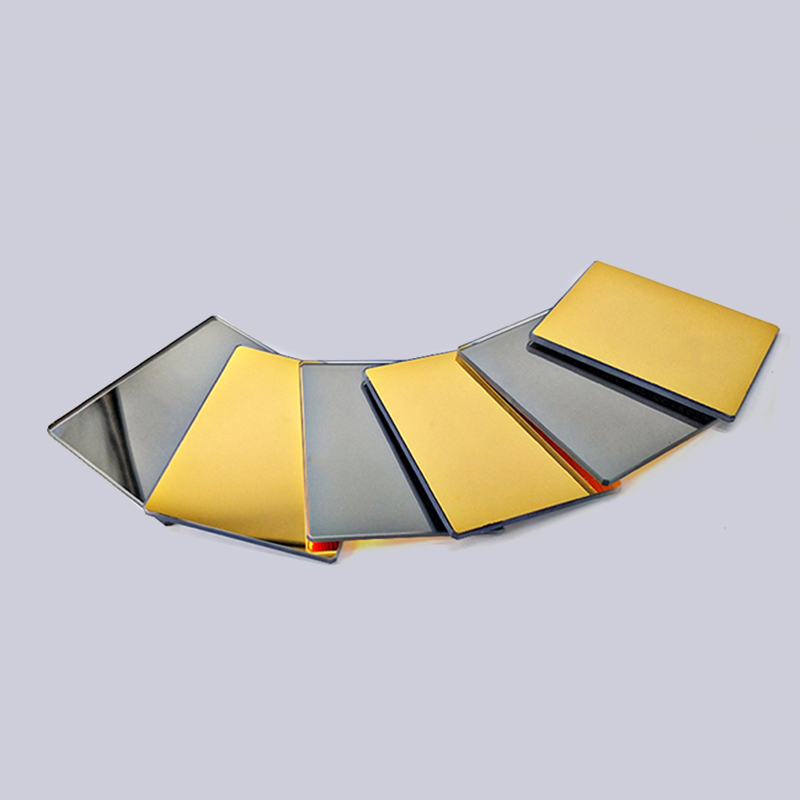
Aluminum coatings give broadband reflection across visible and near-IR wavelengths at a reasonable cost — the default choice for general imaging and alignment work. Gold performs better in the IR range and resists tarnishing, which matters for outdoor or industrial installations. Silver delivers the highest reflectivity in the visible spectrum but needs a protective overcoat, since it oxidizes without one.
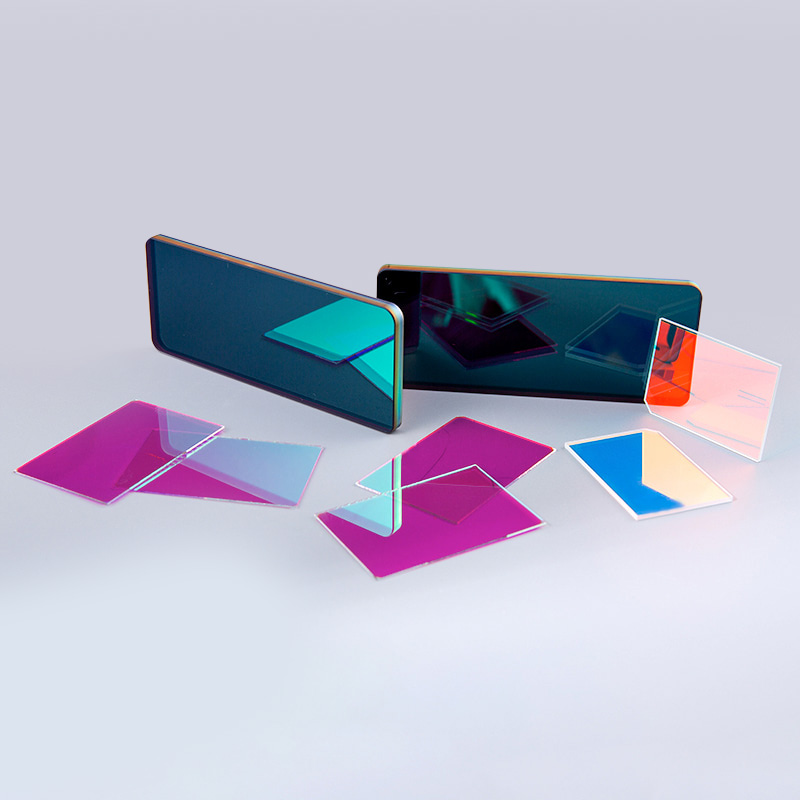
Dielectric coatings sit in a different category entirely. They're engineered layer-by-layer for a specific wavelength band, pushing reflectivity above 99% where metallic coatings top out closer to 96%. That gap matters in laser cavities, where every percentage point of loss compounds with each pass. Buyers sourcing for laser or high-power systems typically compare optical reflectors with metallic or dielectric coatings side by side before committing to one, since the right choice depends entirely on the wavelength band and power density involved.
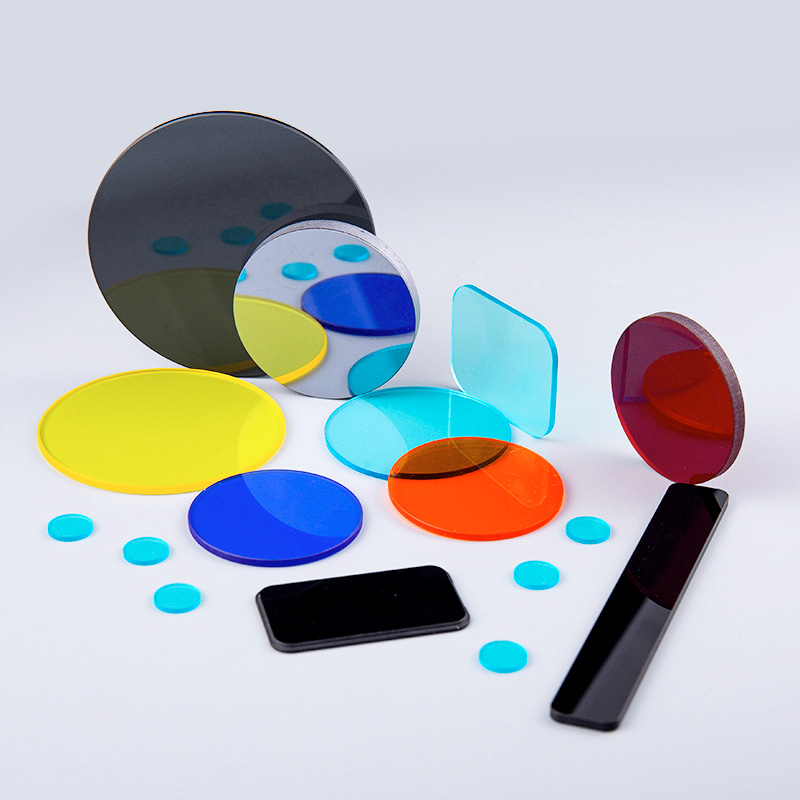
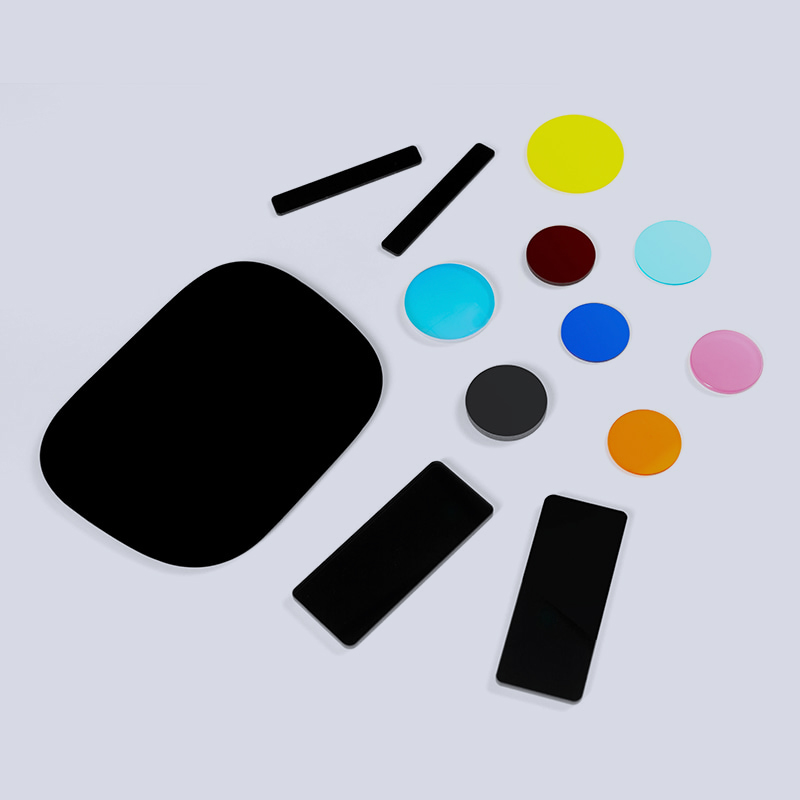
If your system also needs to block or pass specific wavelength ranges rather than just reflect them, that's a separate component category — worth pairing with optical glass filters for spectral control rather than trying to solve it with coating choice alone.
Surface Quality: Reading Scratch-Dig Numbers
A scratch-dig rating like 20-10 tells you the maximum allowable scratch width and dig diameter on the surface, in standardized units. Lower numbers mean stricter tolerances and less scattered light — critical in laser systems where stray scatter can damage downstream components or degrade beam quality.
For most industrial and imaging applications, 60-40 or 40-20 is adequate. Reserve 20-10 or tighter for laser optics and precision measurement equipment, where the added cost is justified by the performance gain.
A Quick Checklist Before You Send an RFQ
Before requesting a quote, buyers save time on both sides by having these five answers ready:
- Required flatness (λ/4, λ/10, or λ/20) and at what test wavelength
- Substrate material and thermal environment the mirror will operate in
- Coating type and target wavelength range
- Scratch-dig tolerance appropriate to the application
- Clear aperture, thickness, and any edge or chamfer requirements
Suppliers with in-house testing — interferometry for flatness, spectrophotometry for coating performance — can usually turn a spec sheet into a firm quote faster, since there's no back-and-forth to verify claims against third-party data. For buyers weighing multiple substrate and coating combinations at once, browsing the full range of optical flat mirror manufacturing options in one place makes it easier to compare trade-offs before committing to a spec.

 苏公网安备32041102000130号