
 Search
 en
en English
 日本語
日本語 русский
 Español
 Deutsch
 中文简体
中文简体Content
A fiber laser that cuts 12 mm carbon steel cleanly at the start of a shift and produces heavy dross two hours later usually has one suspect: the focus lens in the cutting head. That component concentrates kilowatts of coherent light into a spot measured in tens of microns, so small errors in focal length, material grade, or coating show up immediately as poor edge quality, slower travel speeds, and optics that fail weeks early. The practical conclusion for buyers and process engineers is straightforward: specify an optical laser lens around four variables—focal length, substrate material, coating, and contamination control—and weigh the supplier's process evidence as heavily as the datasheet. The sections below cover the working principle, the specifications that matter most, and a pre-order checklist.
What an Optical Laser Lens Does in the Beam Path
A laser resonator emits a coherent beam typically a few millimetres to more than twenty millimetres across. That raw beam cannot do useful work on a workpiece; it must be concentrated first. The focusing lens performs this reduction, and its behaviour follows a predictable rule: the spot gets smaller as the focal length shortens and as the incoming beam diameter grows. In high-power cutting heads, focused spots in the tens of microns are normal, which is what allows a multi-kilowatt beam to vaporize metal along a kerf narrower than a millimetre.
The trade-off sits between spot size and depth of focus. A short focal length produces a small, intense spot but a shallow focus zone, so the distance between nozzle and plate must be held tightly. A longer focal length gives up some power density in exchange for a deeper focus zone that tolerates thicker plate, uneven surfaces, and less rigid fixturing. Neither option is universally better; the right focal length depends on material thickness, machine condition, and the finish the job demands.
In most industrial machines the lens does not work alone. A collimating lens sets the beam diameter before the focus optic, protective windows shield it from spatter, and steering mirrors carry the beam from the resonator through the delivery arm to the head. Degradation anywhere in that train produces the same symptom—falling power or a distorted kerf—so effective maintenance treats the whole path as one system rather than repeatedly replacing the most visible part.
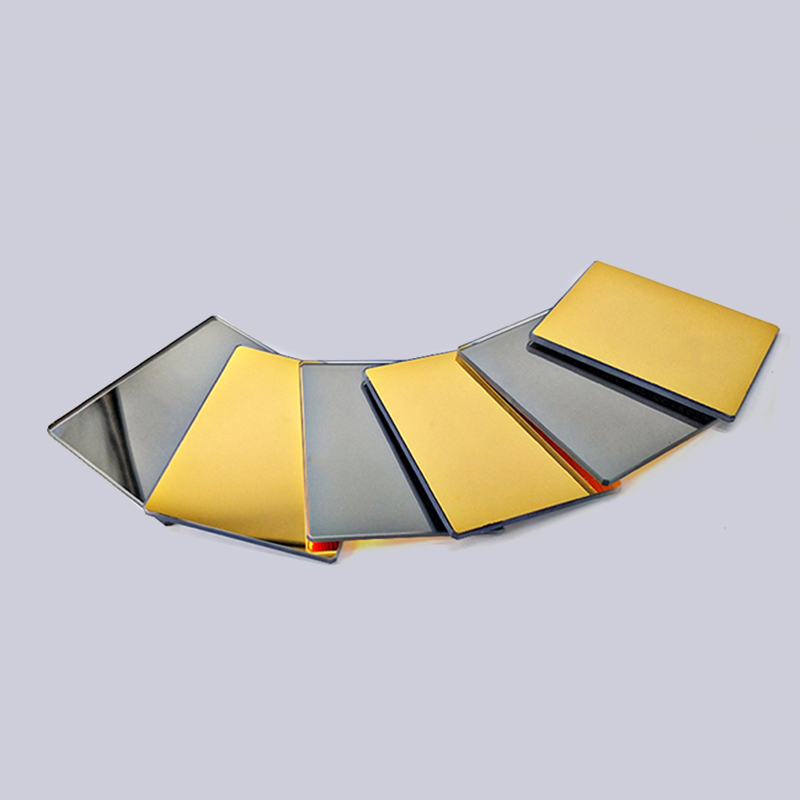
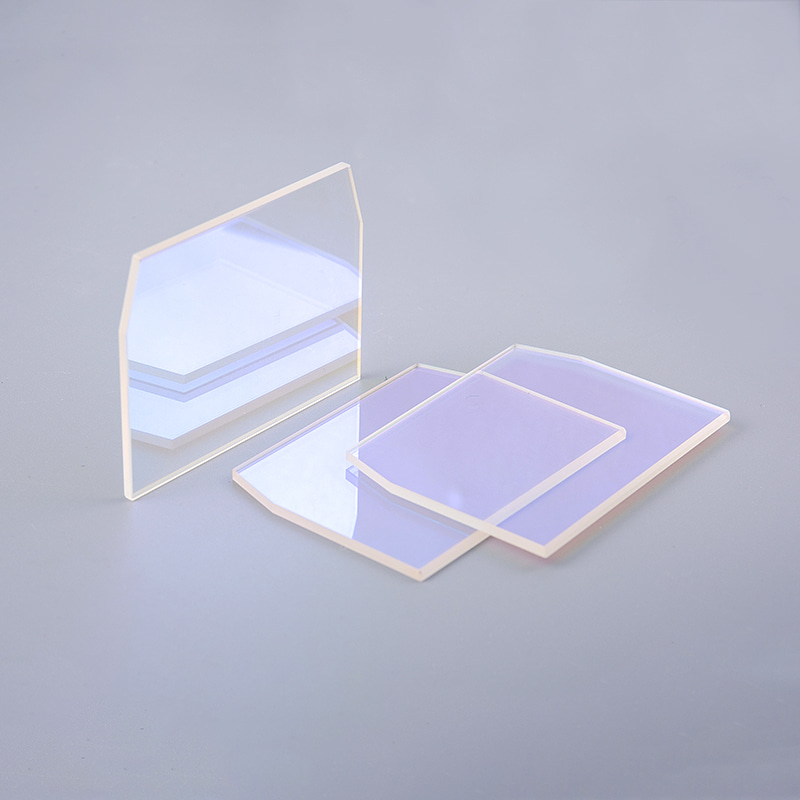 Precision Optical Reflectors for Laser Beam DeliverySteering mirrors carry the beam from the resonator to the cutting head, and degradation anywhere in that path reduces power or distorts the kerf. Reflectors made to controlled reflectance and surface quality help maintain the whole delivery system.View Product →
The Specifications That Decide Performance
Four parameters dominate real-world results. Focal length sets working distance and spot size: values between roughly 38 and 100 mm are common where thin sheet demands fine detail, while 150 to 190 mm suits thicker plate and a more forgiving depth of focus. Clear aperture matters just as much, because the aperture should exceed the incoming beam diameter by a comfortable margin—a factor of about 1.5 to 2 is a common engineering rule—since beam clipping at the lens edge creates diffraction and overheats the rim.
Substrate and coating then decide whether the lens survives its environment. A CO2 laser operating at 10.6 microns requires a transmissive material such as zinc selenide, while fiber lasers at 1064 nm typically run through fused quartz or high-grade optical glass. Surface quality and damage threshold govern lifetime at power: tight scratch-dig limits and coatings with a high laser-induced damage threshold resist the thermal stress that destroys lesser optics.
| Material | Typical wavelength fit | Common laser use | Practical notes |
|---|---|---|---|
| Zinc selenide (ZnSe) | Around 10.6 microns | CO2 cutting, engraving, and marking | Transmits visible alignment light; the surface is comparatively soft and must be handled carefully |
| Fused quartz (silica) | Ultraviolet to near-infrared | Fiber lasers at 1064 nm and high-power systems | Low thermal expansion and a high damage threshold |
| Optical glass (K9/BK7 type) | Visible to near-infrared | Low-power engraving, alignment, and sensing | Economical and easy to polish, with limited power handling |
| Sapphire | Ultraviolet to mid-infrared | Harsh-environment windows and demanding optics | Extremely hard and scratch resistant, but harder to machine |
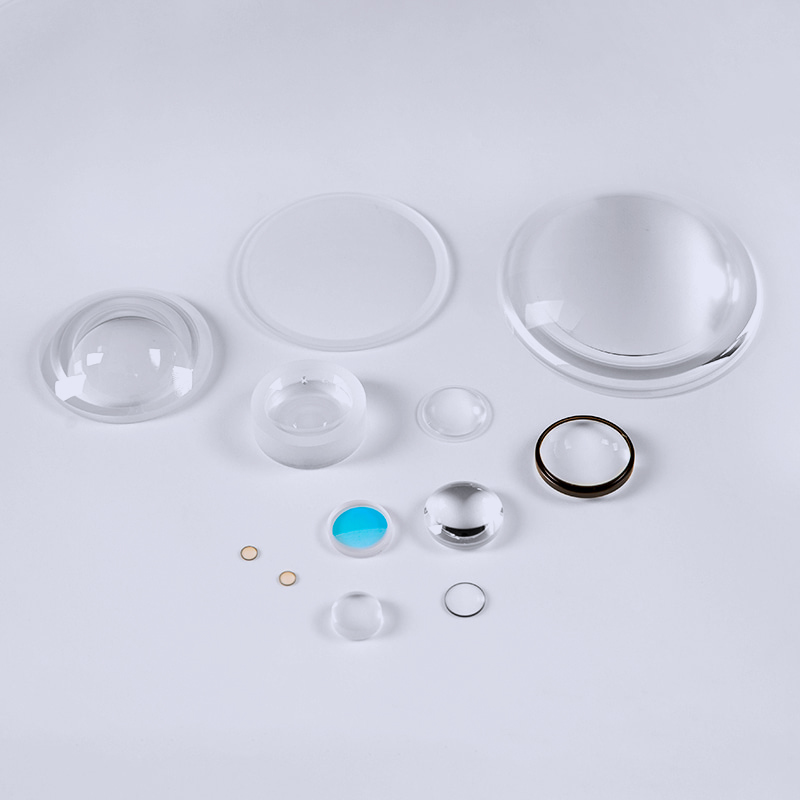
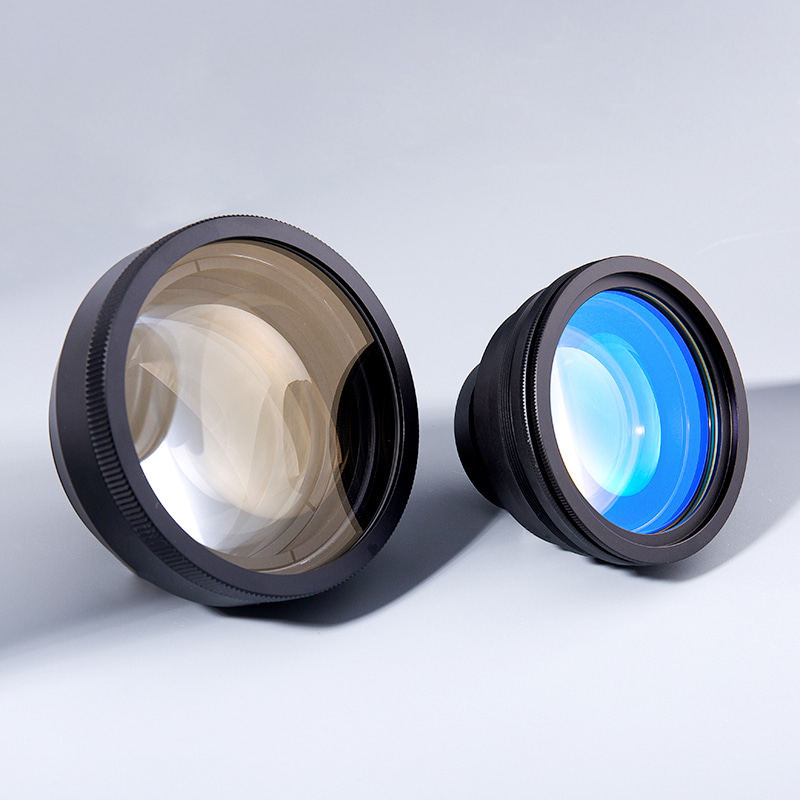 Optical Laser Lens ManufacturersLenses are assembled from spherical mirrors and structural components, widely used in fields such as security, measurement, consumer electronics, and laser systems. Th...View Product →
Whatever material the application calls for, request transmission and coating data at the exact operating wavelength and power level rather than accepting a generic anti-reflection label. A lens with documented performance usually costs more up front and less over a year of production.
Matching the Lens to the Application
Cutting and welding heads
Cutting rewards intensity. Short to medium focal lengths concentrate power into a narrow kerf and let the assist gas clear molten material, while welding heads often move the other way, using longer focal lengths that keep the optic farther from spatter and widen the weld zone. Lens shape matters here too: meniscus designs are common where the beam must focus with minimal spherical aberration, particularly at high power.
Engraving and fine marking
Engraving lives on small spot size and crisp edges, so short focal lengths dominate—but the shallow depth of focus that sharpens detail also punishes uneven surfaces. Marking on curved or irregular parts may call for a longer focal length or a different scan geometry, which is why engraving shops often keep several lens sets on hand rather than forcing one optic into every job.
Medical and precision instruments
Medical laser systems add constraints that factory floors rarely face: coatings must tolerate aggressive cleaning agents, materials must be traceable lot to lot, and documentation follows the device into regulatory review. Reliability is judged less by unit price and more by consistency across hundreds of delivered parts, which pushes buyers toward manufacturers with formal quality systems rather than resellers.
Coatings, Transmission, and Back Reflection
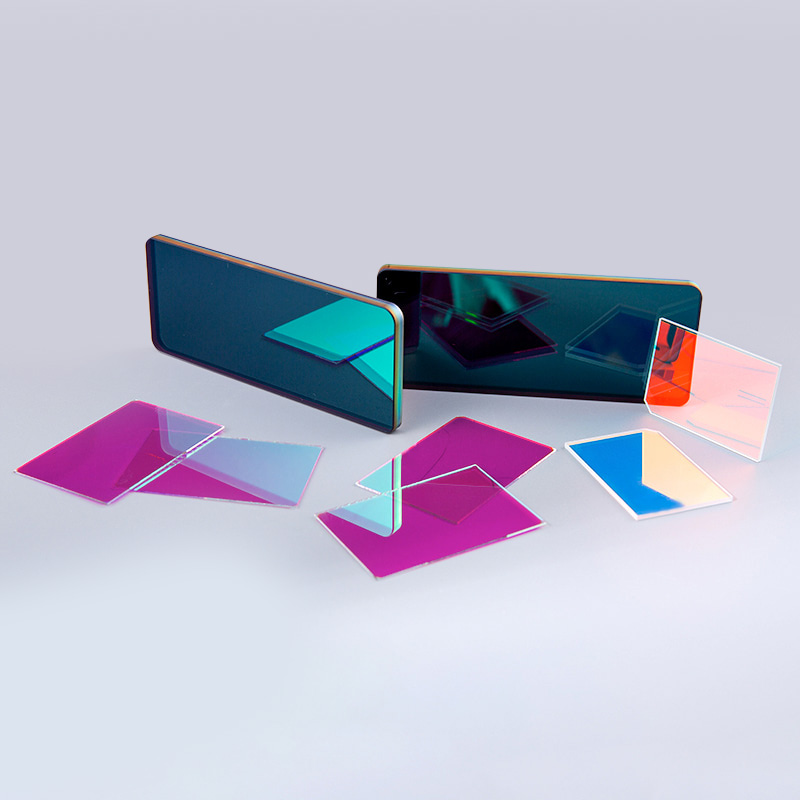
An uncoated lens surface reflects a few percent of incident light, and that loss hurts twice: power that never reaches the workpiece, and heat generated inside the optic. Anti-reflection coatings designed for the specific wavelength push single-surface reflectance well below one percent, raising transmission and reducing the thermal lensing that quietly shifts the focal point as the optic heats. Coating choice is therefore a performance specification in its own right, and the technical background is worth studying in how coatings on optical laser lenses improve performance.
The second coating-related risk runs in the opposite direction. Light reflected from the focus lens can travel back into the delivery fiber or the resonator, and in fiber systems a strong return can damage the source itself. Coatings that suppress back reflection, correct lens orientation during assembly, and routine inspection of protective windows all reduce this exposure—problems that appear most often after someone swaps an optic without checking coating side or seating.
Contamination, Cleaning, and Service Life
Laser lenses rarely fail of old age; they fail from contamination. Spatter, dust, and a single fingerprint absorb laser energy, create hot spots, and can turn a clean optic into a cracked one within one shift at high power. The response is procedural rather than heroic: inspect optics under bright light at fixed intervals, handle lenses only by the edge with powder-free gloves, and clean with the correct solvents and lint-free wipes instead of whatever is on the bench. Shops that document these steps consistently see longer optic life and fewer unplanned stoppages.
Protective windows deserve particular attention because they act as consumable shields for the far more expensive focus lens behind them. Replacing a sacrificial window on schedule is one of the cheapest ways to extend focus lens life, provided the replacement window carries the same coating quality as the part it replaces.
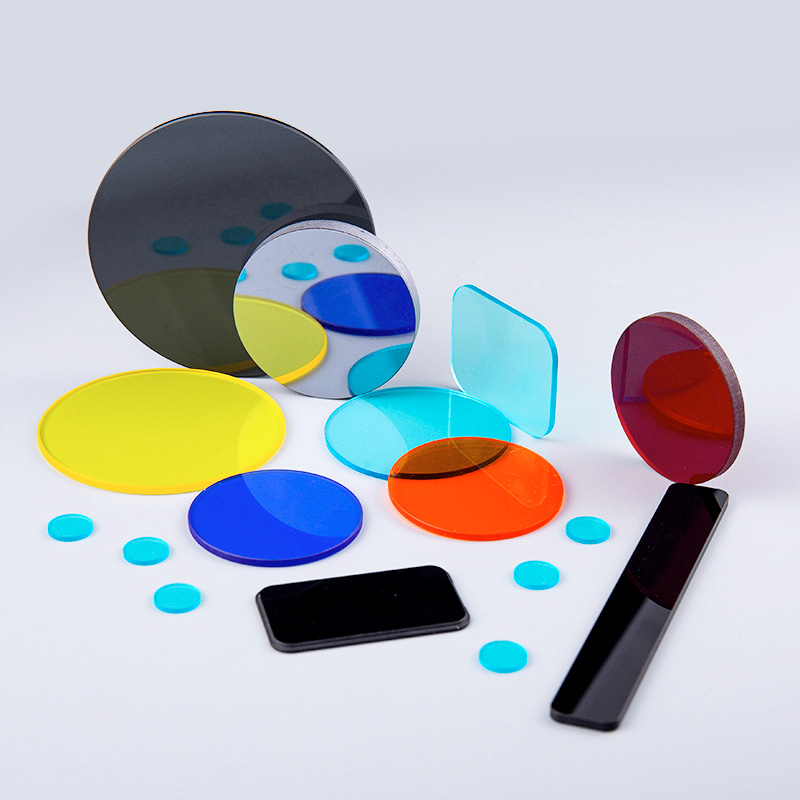
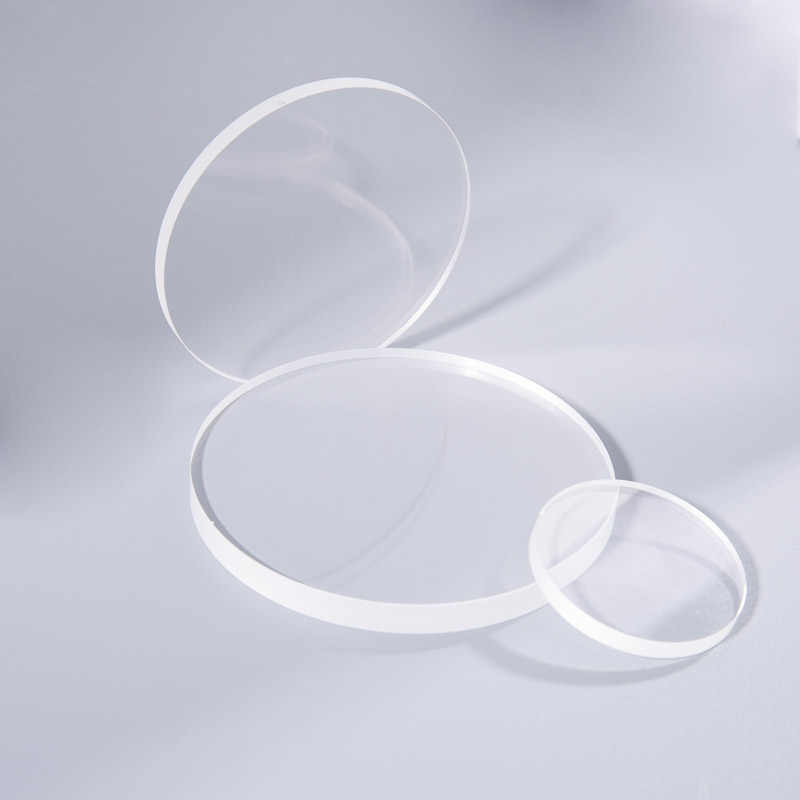 Sapphire Optical Window Manufacturers1. Window substrates are typically made from materials with desirable optical properties, such as durable materials like sapphire. These transparent plates are used as...View Product →
What to Verify Before You Order
Most laser lens procurement problems trace back to information gaps at the quotation stage, and a short checklist prevents most of them.
- Confirm operating wavelength, average power, peak power, and duty cycle in writing, then have the supplier confirm the optic is rated for all four.
- Fix the focal length tolerance and clear aperture, not just the nominal value; a focal length held to one percent behaves differently from one held to five.
- Ask which material grade will be supplied, since laser-grade substrates differ from utility stock in absorption and internal inclusions.
- Request coating transmission data or witness samples at the operating wavelength.
- Verify the quality system behind the part: ISO 9001:2015 for general manufacturing, and IATF 16949 where the optic enters an automotive supply chain.
Suppliers differ most on exactly these points. Changzhou Haolilai Photo-Electricity (HLL), a precision optics manufacturer founded in 1998 in Changzhou, China, illustrates the profile worth shortlisting: in-house polishing and coating of optical lenses, windows, and reflectors; ISO 9001:2015, ISO 14001:2015, and IATF 16949 certified quality systems; and a product range serving laser, automotive, semiconductor, and consumer electronics customers in more than twenty countries. For a specific wavelength, aperture, or coating requirement, buyers can request a tailored quotation and treat the first delivered batch as the true qualification sample for the volumes that follow.

 苏公网安备32041102000130号