
 Search
 en
en English
 日本語
日本語 русский
 Español
 Deutsch
 中文简体
中文简体Content
What Are Perforated Special-Shaped Parts?
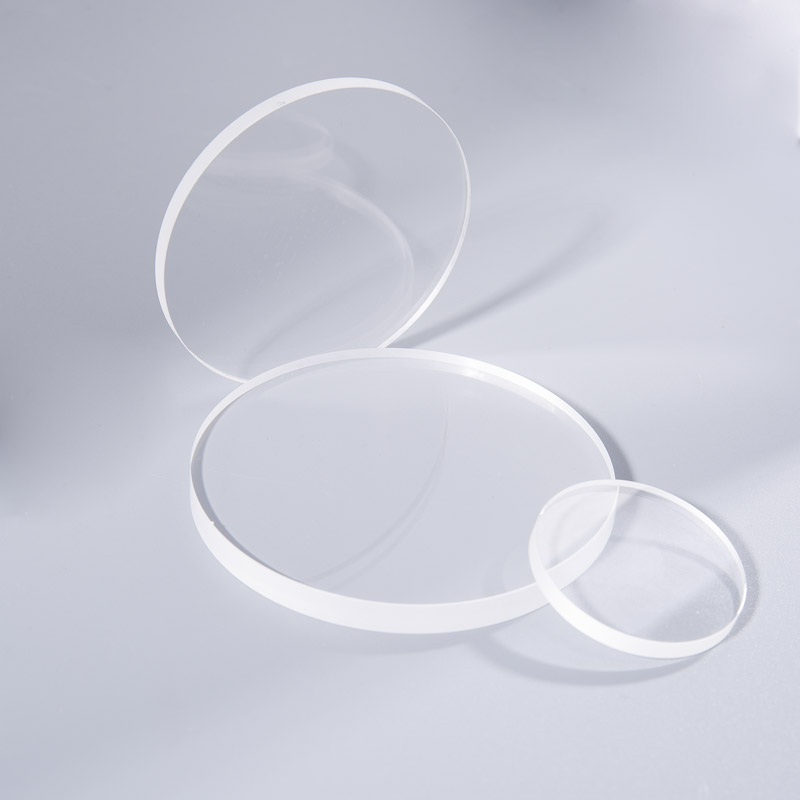
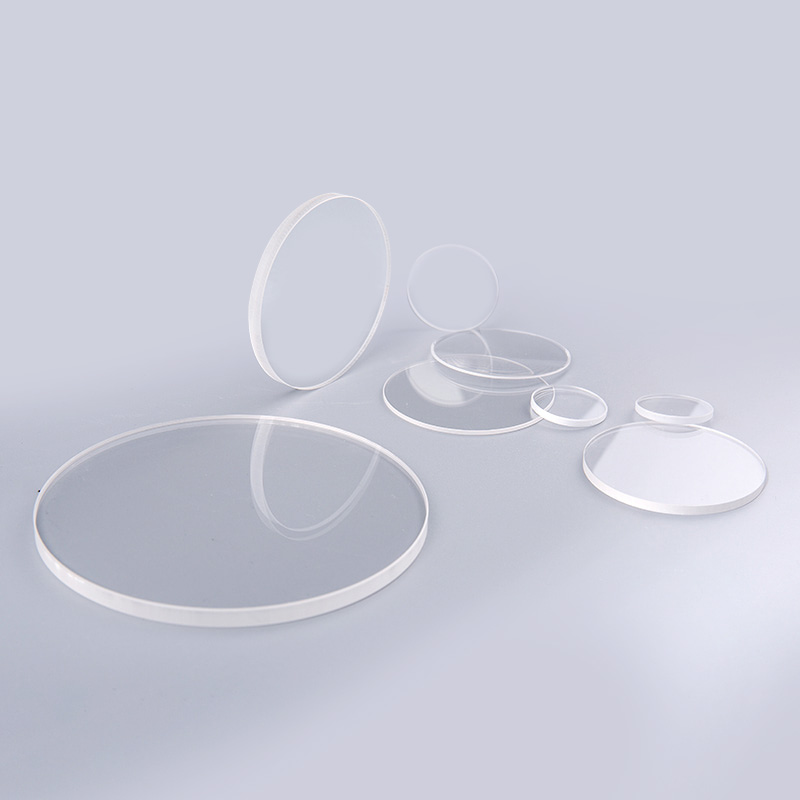
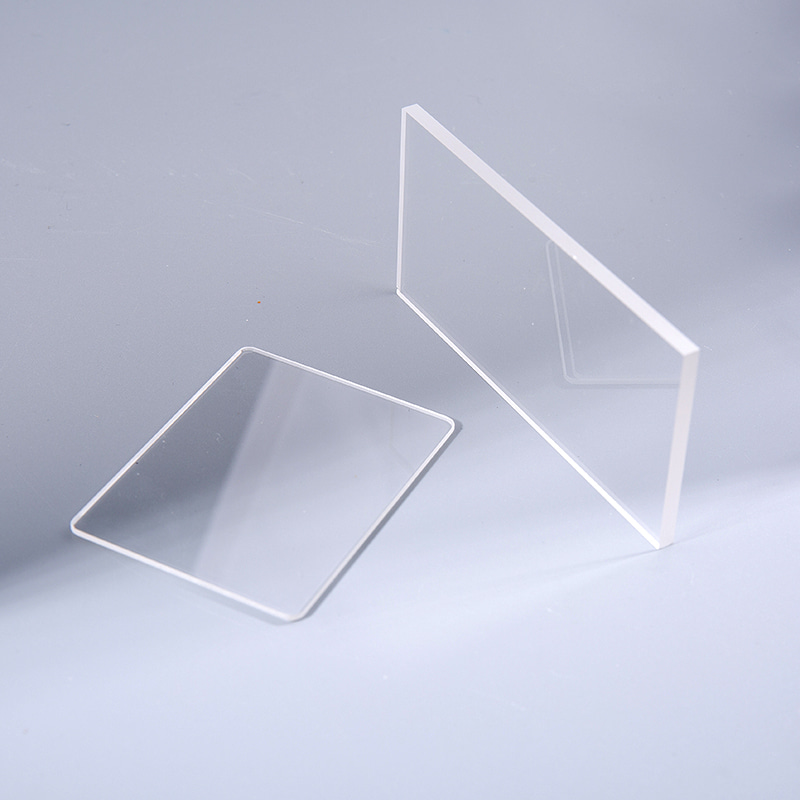
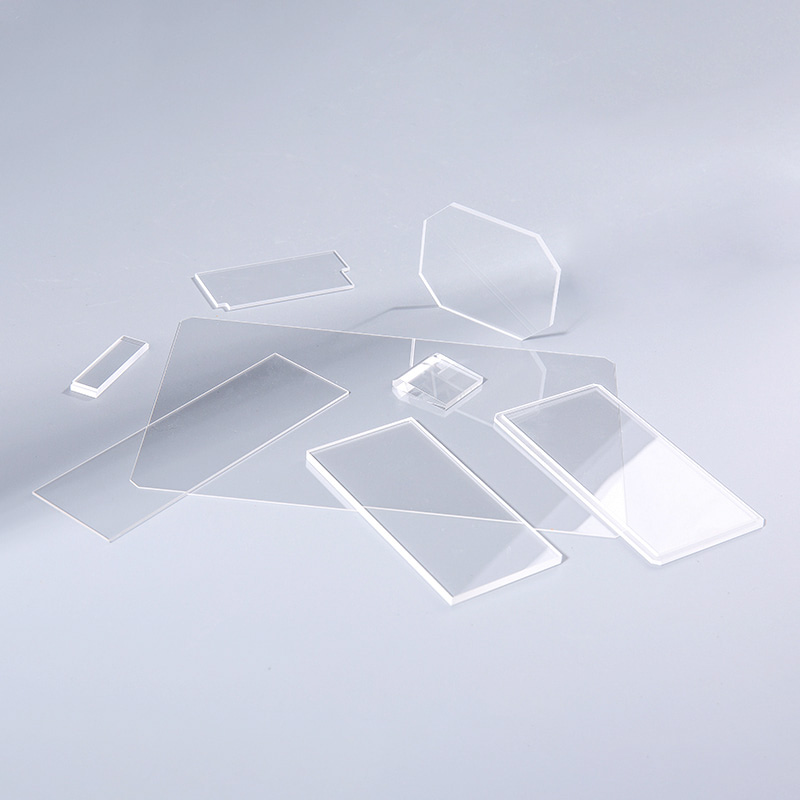
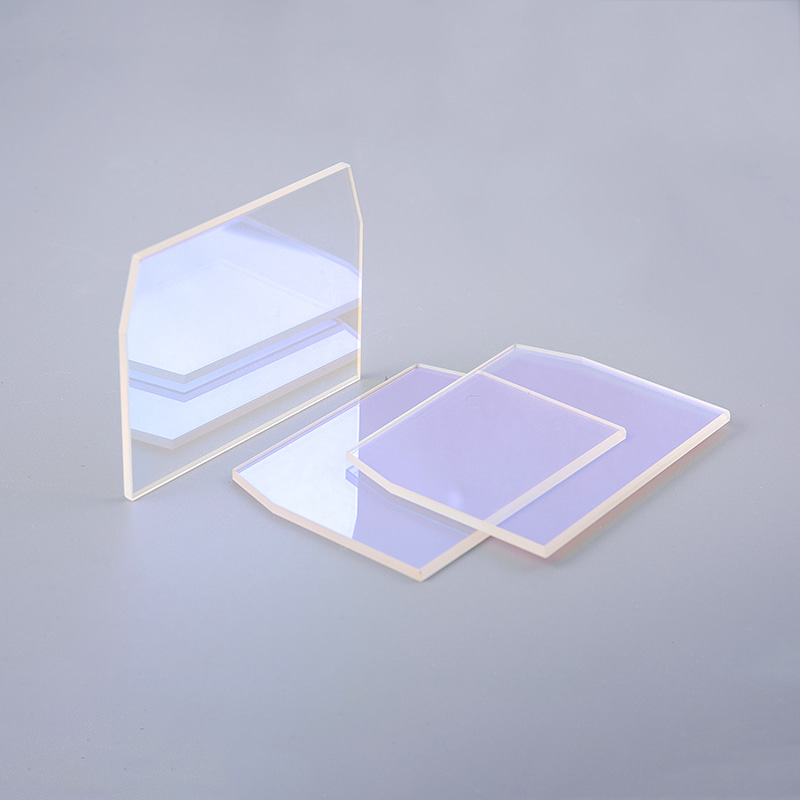
Perforated special-shaped parts are precision-machined quartz glass components that combine non-standard geometries — triangular, trapezoidal, irregular polygonal, or custom contours — with one or more precisely positioned through-holes. The perforation is not decorative. It exists because downstream assemblies demand it: sensor housings that need a centered aperture, vacuum chambers requiring a gas-flow port, or optical mounts that must align a beam path through the substrate itself.
The base material is typically synthetic fused quartz glass with a silica purity above 99.99%. This sets the performance ceiling for everything that follows. The geometry is then cut, ground, and polished to drawing, with hole positions held to tight positional tolerances.
Key Material Properties That Drive Performance
Choosing quartz glass for perforated components is not a default — it is a deliberate engineering decision driven by five measurable properties.
- Broad-spectrum optical transmission: Synthetic quartz transmits from deep ultraviolet (~185 nm) through near-infrared (~2500 nm), achieving surface transmittance above 85%. This makes it usable across UV lithography, visible imaging, and IR sensing in a single material family.
- Low thermal expansion coefficient: At roughly 0.55 × 10⁻⁶/°C, quartz maintains dimensional stability across wide temperature swings — critical when hole positions must stay registered to micron-level tolerances during thermal cycling.
- Thermal shock resistance: The combination of low expansion and high thermal conductivity allows quartz parts to survive rapid temperature changes that would fracture standard borosilicate glass.
- Chemical inertness: Quartz resists most acids, alkalis, and process gases encountered in semiconductor wet benches and chemical vapor deposition environments.
- Electrical insulation: High resistivity makes quartz suitable for components inside electrostatic or plasma-based equipment, where conductive materials would cause interference.
Together, these properties explain why perforated quartz parts appear across industries that cannot tolerate compromise on any single parameter.
Where Perforated Special-Shaped Parts Are Used
Semiconductor fabrication is the primary demand driver. Diffusion furnaces, ion implantation chambers, and UV exposure systems all use quartz components with precisely located holes for gas distribution, substrate support, or beam passage. The parts must survive repeated thermal cycles without dimensional drift — a requirement that eliminates most alternative materials.
In laser optics, perforated substrates serve as aperture-defining elements or beam-shaping windows. A laser system operating at 355 nm or 266 nm needs a substrate that transmits at those wavelengths without absorbing energy and generating thermal lensing. Synthetic quartz delivers both. For more complex beam delivery assemblies, these parts work alongside optical windows for high-transmission applications within the same optical path.
Medical device manufacturing uses perforated quartz components in UV sterilization modules, phototherapy equipment, and diagnostic instruments. The non-reactive surface and UV transparency are non-negotiable requirements in these regulated environments.
Consumer electronics and automotive sensor systems increasingly specify custom quartz shapes where standard catalog parts do not fit the design envelope. High-resolution cameras, LiDAR windows, and HUD optical assemblies all benefit from the same dimensional precision that semiconductor fabs demand. These applications also draw on precision quartz and glass wafers for semiconductor use as substrate foundations within the same production line.
Custom Processing Capabilities and Specifications
A perforated special-shaped part is defined entirely by its drawing. Standard catalog dimensions rarely apply. The processing range below reflects what is achievable with modern diamond grinding, ultrasonic drilling, and CNC contouring on quartz substrates.
| Parameter | Circular | Square / Rectangle | Custom Profile |
|---|---|---|---|
| Outer Dimension | Ø 2–400 mm | 2–400 mm (L/W) | Per drawing |
| Thickness | 0.1–30 mm | ||
| Profile Tolerance | ±0.03 mm | ||
| Thickness Tolerance | ±0.005 mm | ||
| Surface Flatness | ≤ λ/8 @ 632.8 nm | ||
| Parallelism | ≤ 1′ | ||
| Surface Quality | 5/10 to 60/40 (scratch/dig) | ||
| Effective Aperture | > 90% | ||
| Coating Options | Uncoated / AR / IR | ||
Triangular and trapezoidal profiles — along with fully arbitrary contours — are produced to customer drawings. Hole positions, diameters, and edge conditions (sharp, chamfered, or radius-broken) are specified at the drawing stage. Parts requiring slotted features rather than through-holes can be produced as flat slotted parts for structured optical assemblies, which follow the same quartz substrate and tolerance framework.
Selecting the Right Part for Your Application
Three questions determine the specification: What wavelength range must the part transmit? What temperature environment will it see? And what positional tolerance does the hole pattern require relative to the outer profile?
For UV applications below 250 nm, synthetic quartz (JGS1-equivalent) is the correct choice — natural fused quartz absorbs in this range. For visible and near-IR use where UV transmission is not required, lower-grade quartz reduces cost without sacrificing dimensional performance. High-temperature environments above 900°C demand quartz over any glass alternative; below that threshold, borosilicate may be evaluated depending on budget constraints.
Hole position tolerance drives the processing method. Tolerances above ±0.1 mm are achievable with standard ultrasonic drilling. Tighter requirements — particularly on thin substrates below 1 mm — call for laser perforation, which eliminates the mechanical contact force that generates microcracks in brittle materials. The choice of method affects lead time and unit cost and should be discussed with the manufacturer at the drawing review stage.
Providing a complete 2D drawing — including hole diameter, positional callout, edge treatment, surface quality grade, and coating requirement — at the inquiry stage is the single most effective way to compress the quotation-to-delivery cycle.

 苏公网安备32041102000130号