 Search
 en
 English
 日本語
 русский
 Español
 Deutsch
 中文简体

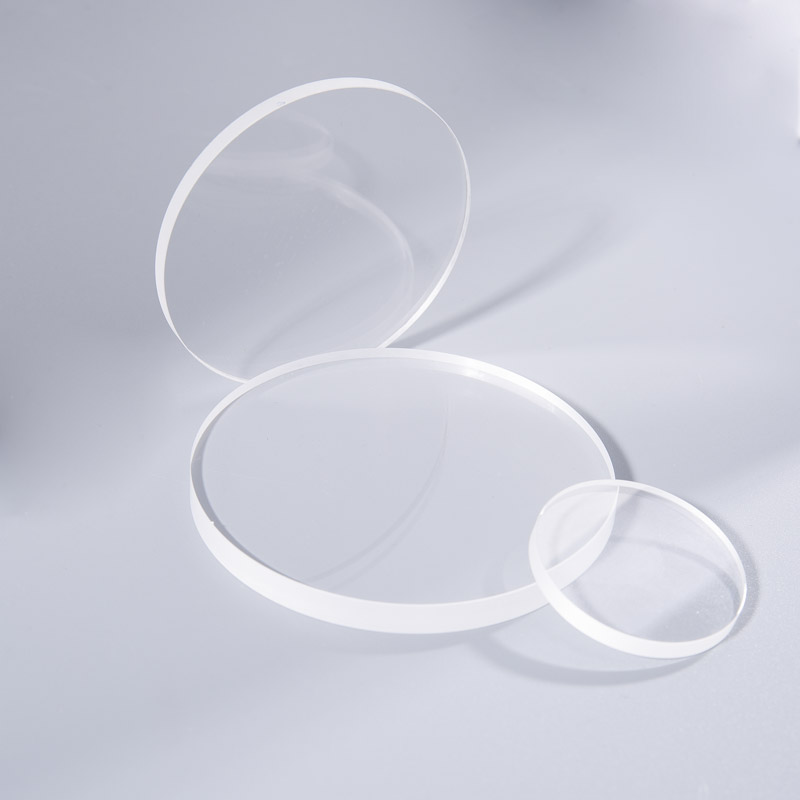
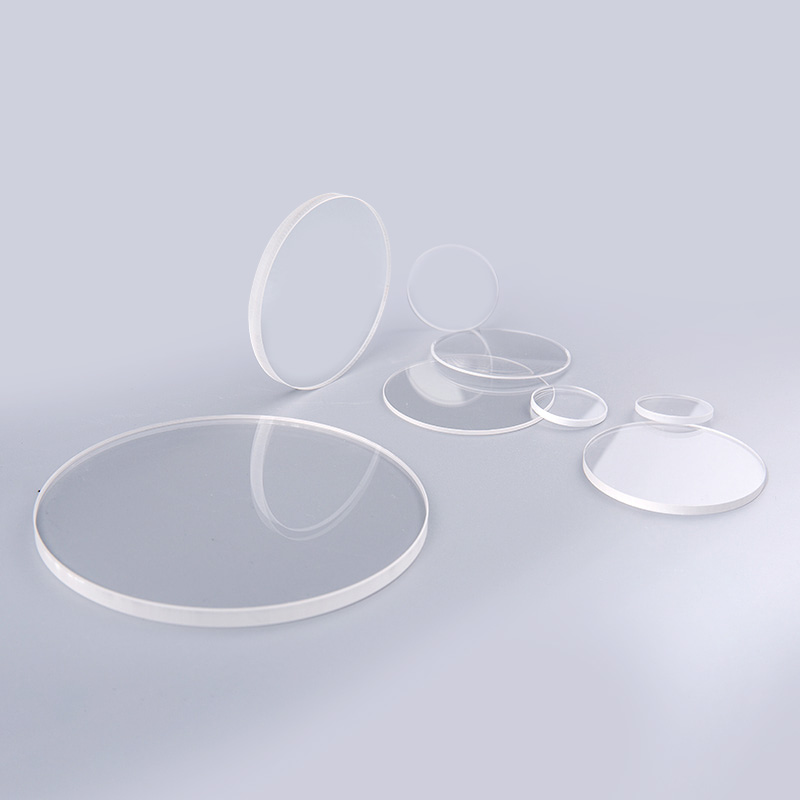
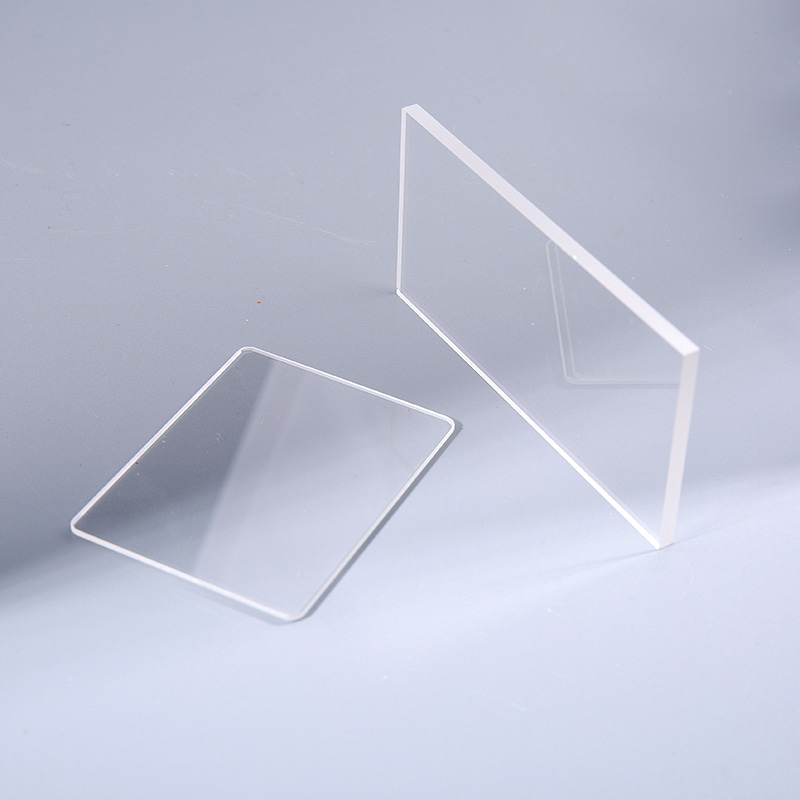
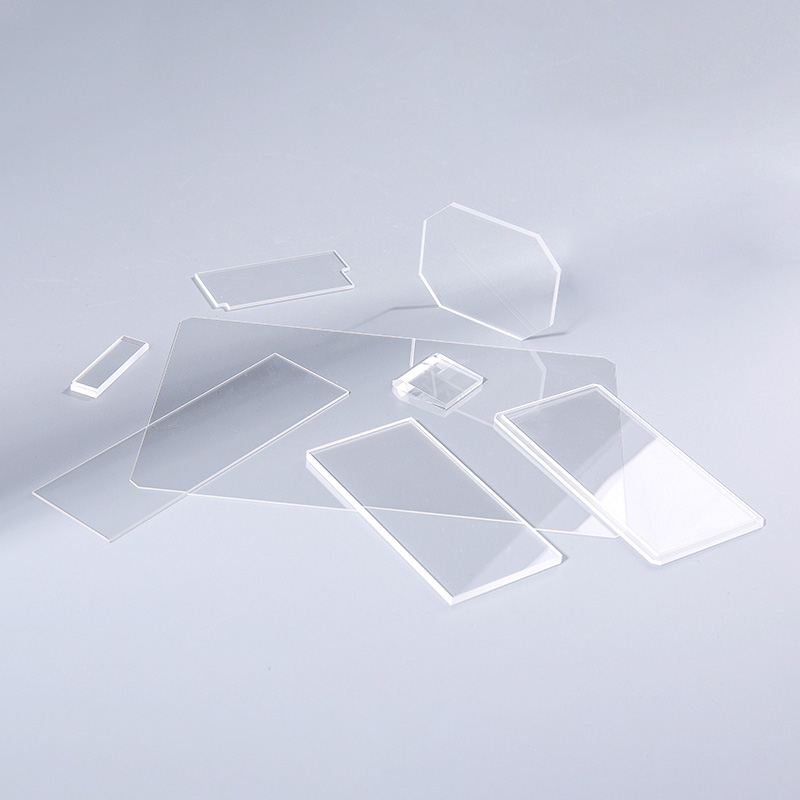
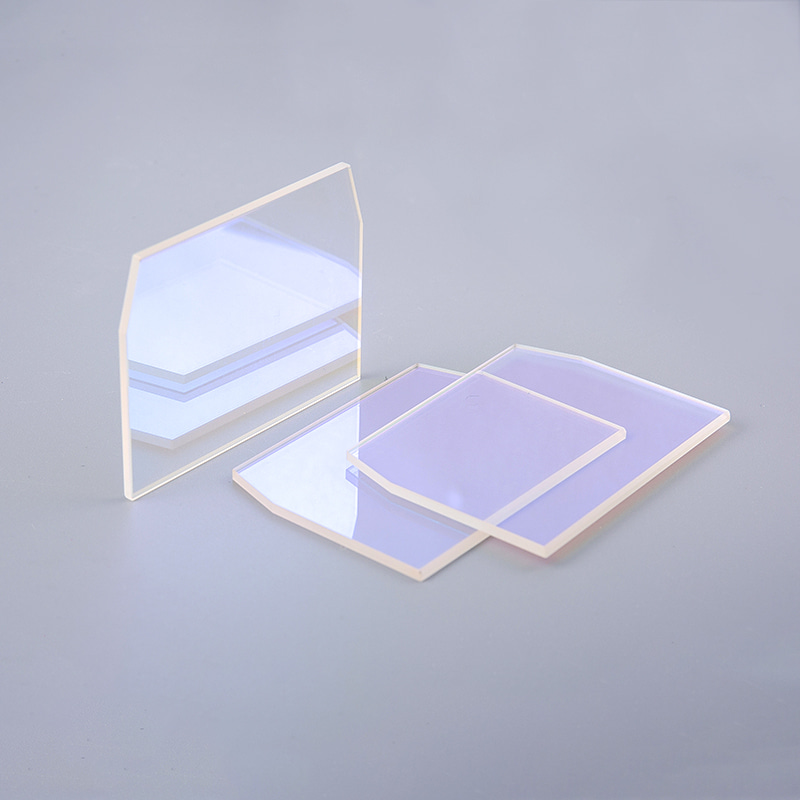
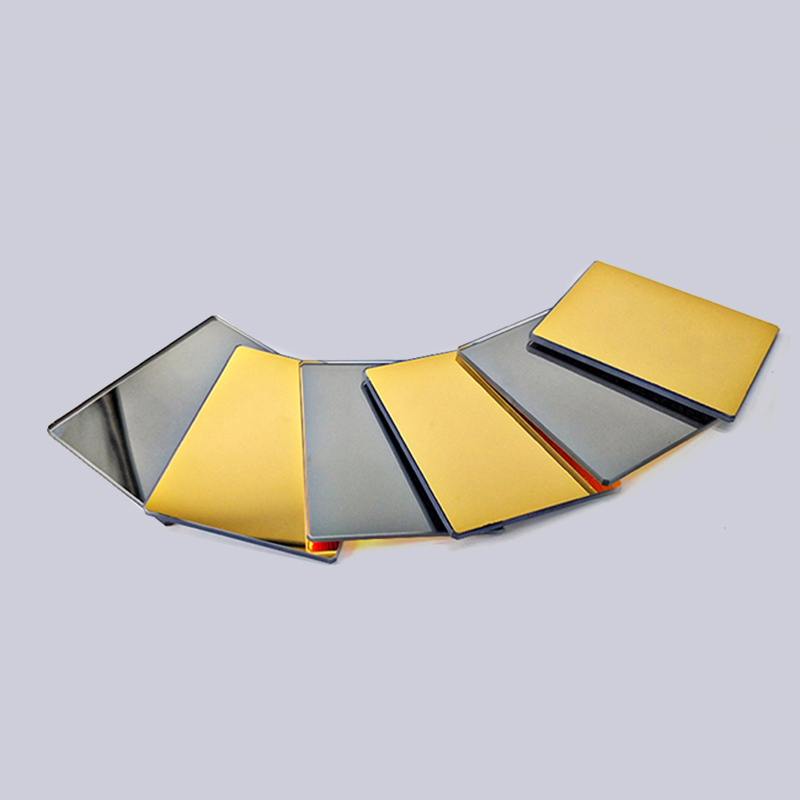
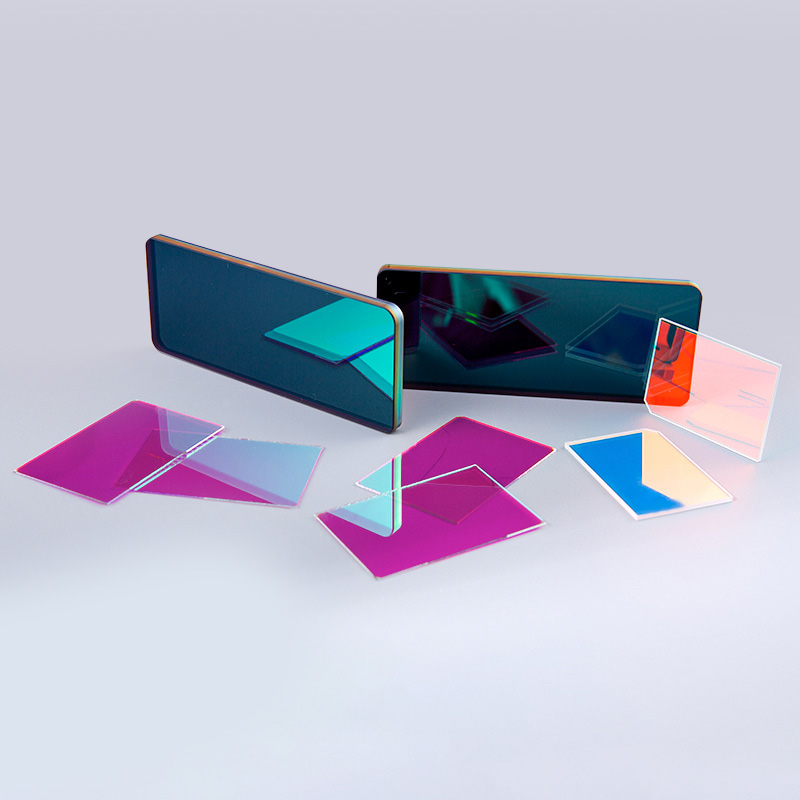
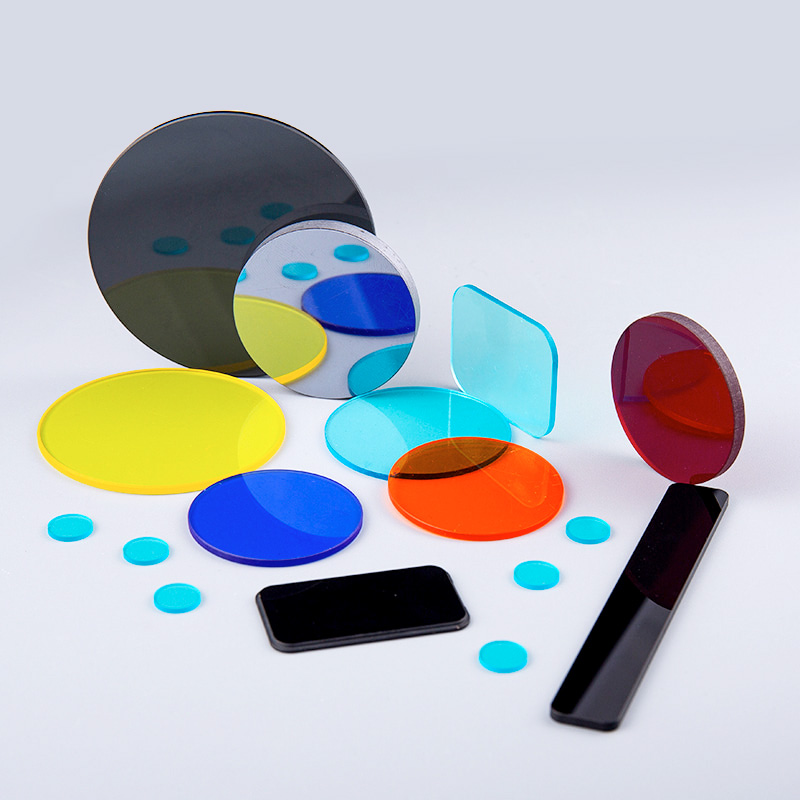


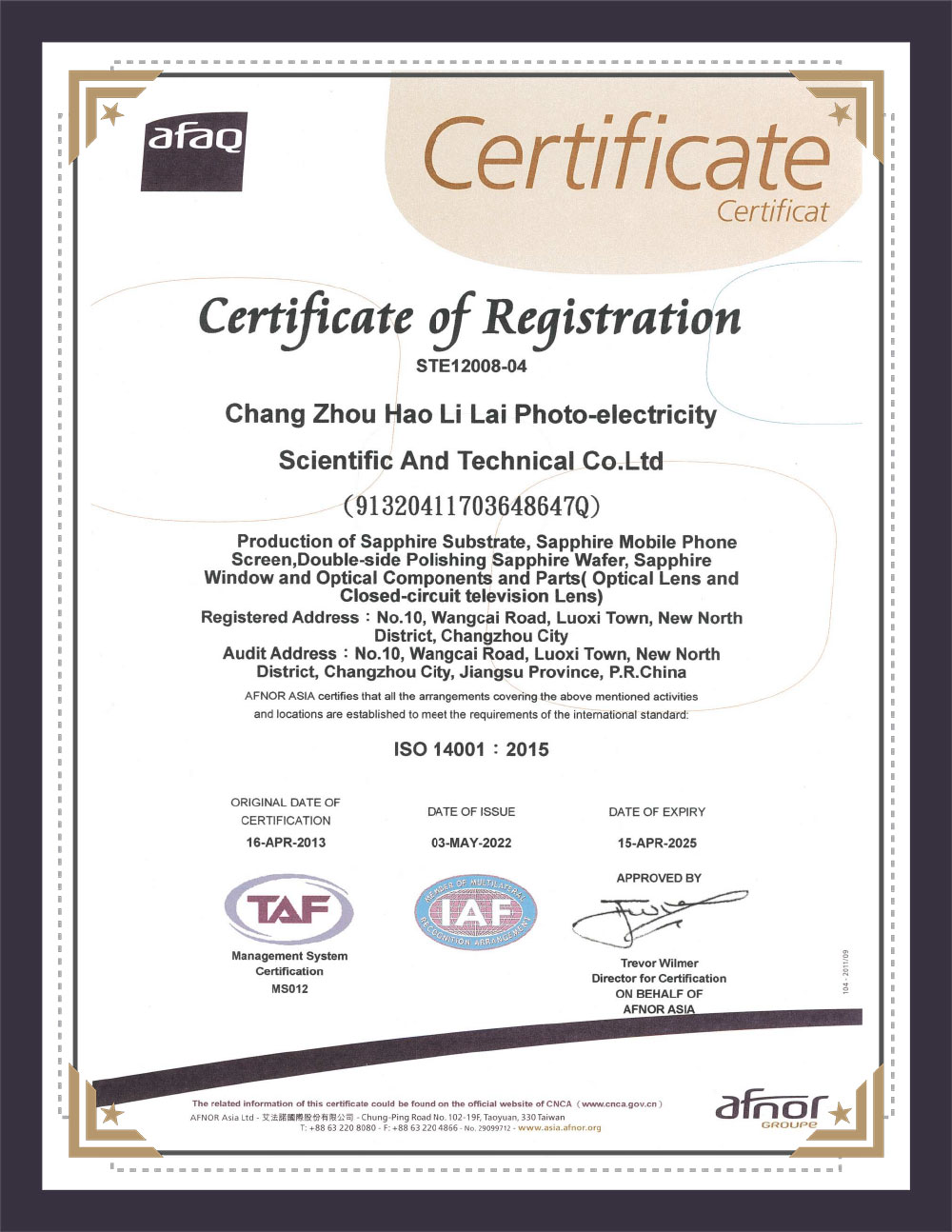
Founded in 1998, HLL is China Optical Spherical Mirror manufacturers and Optical Spherical Mirror suppliers, located in the national-level High-tech Development District, Changzhou, Jiangsu, China. It’s neighboring Shanghai-Nanjing Expressway on the north, Changzhou high-speed railway station on the east, Changzhou Airport on the west. HLL covers an area of 35,000m² and has passed the system certification such as ISO9001:2015, ISO14001:2015, and IATF16949.
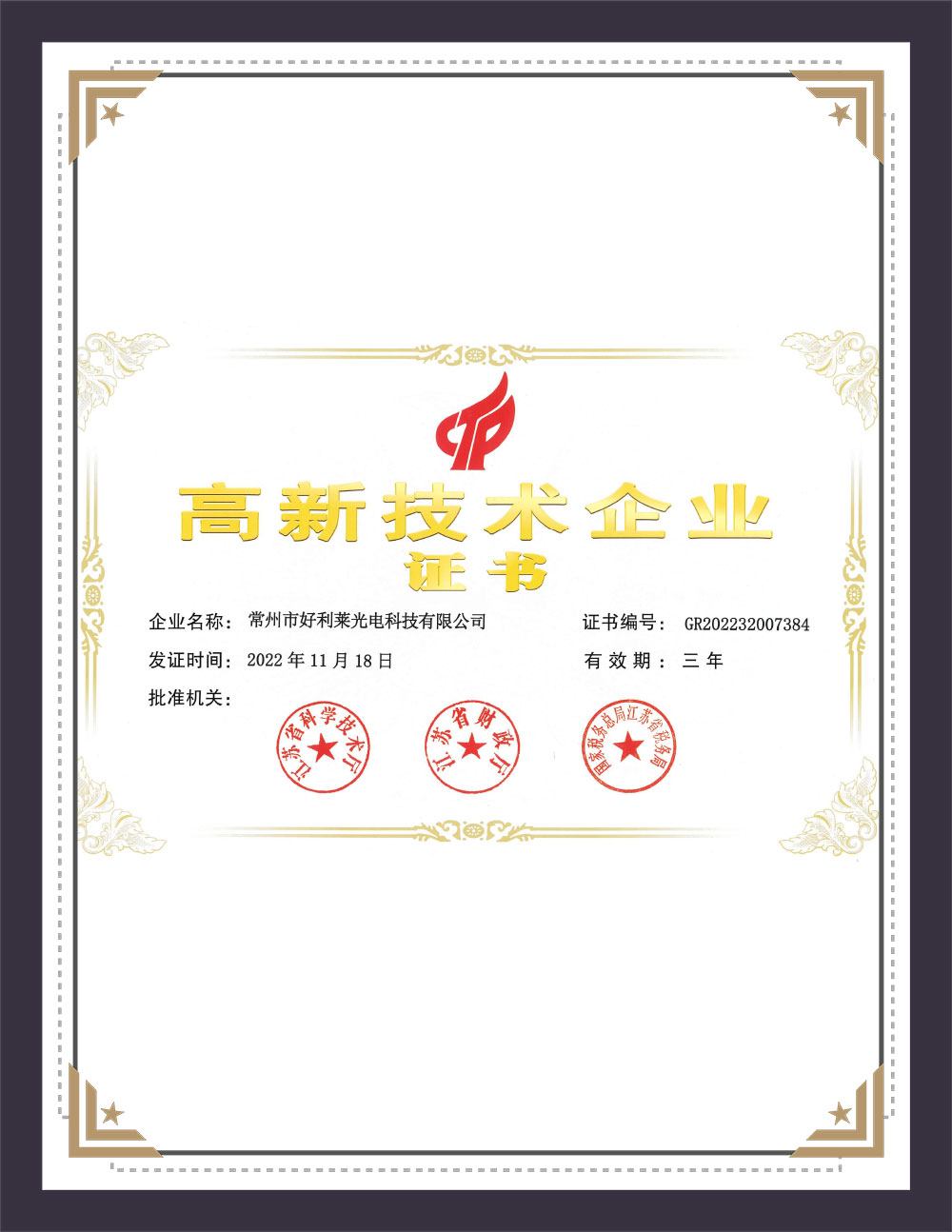
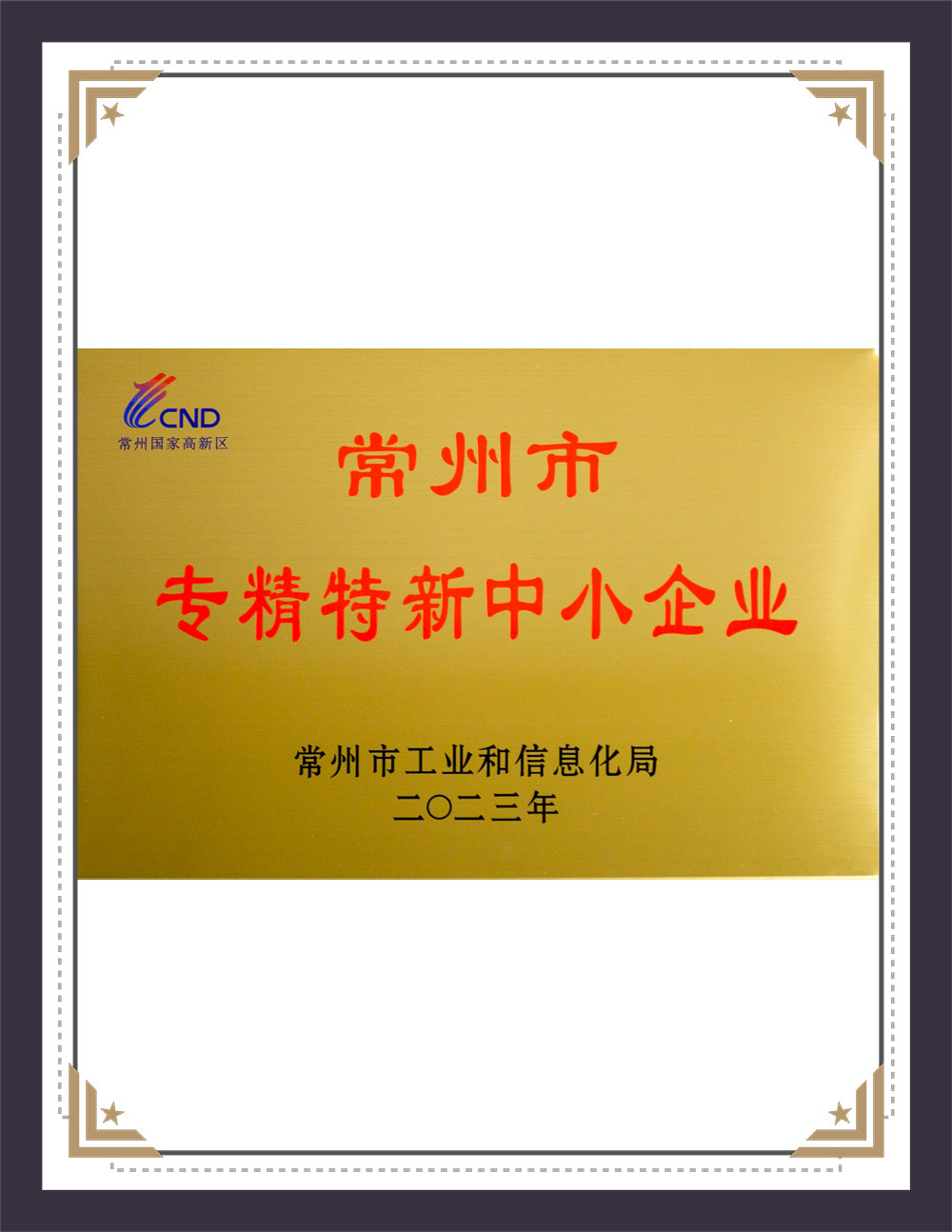
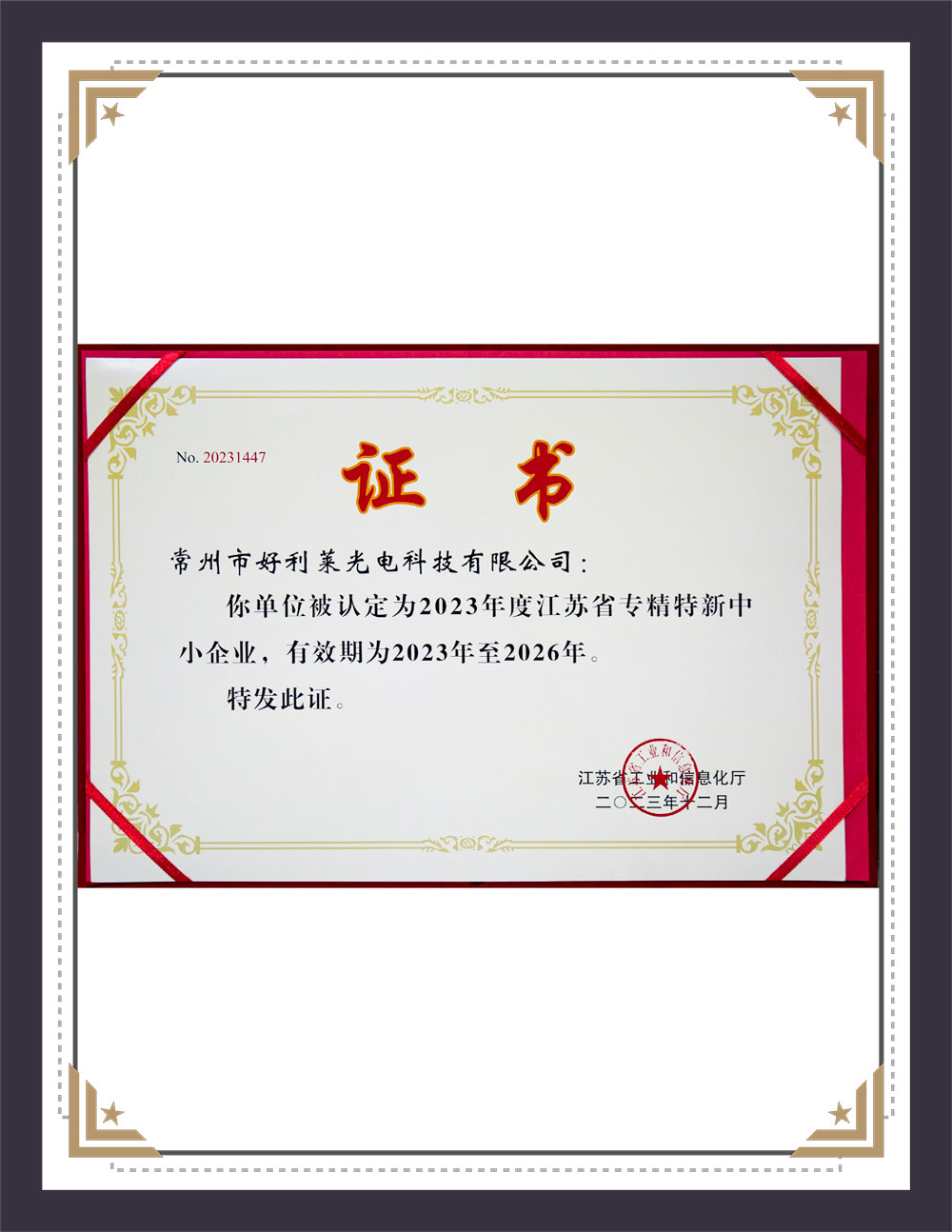
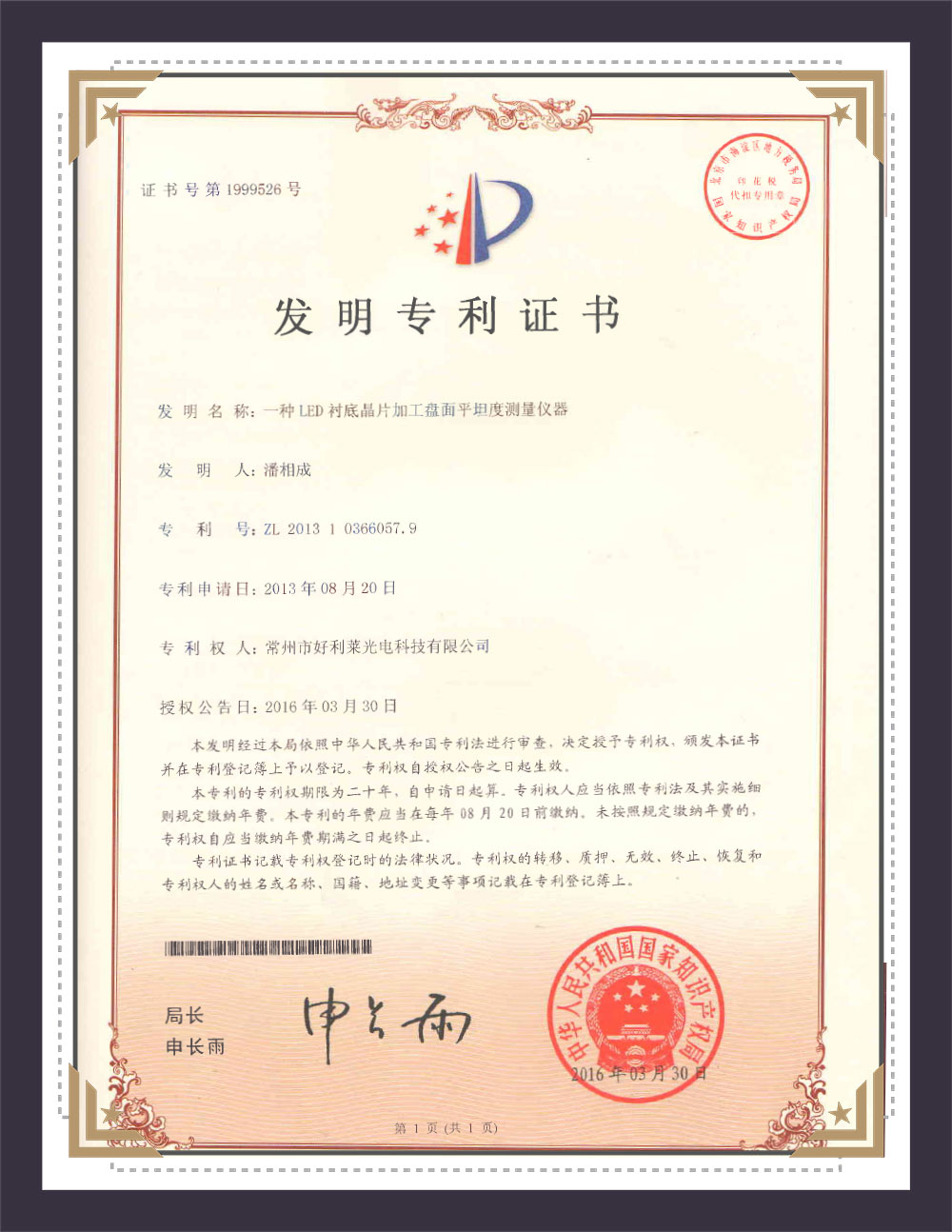
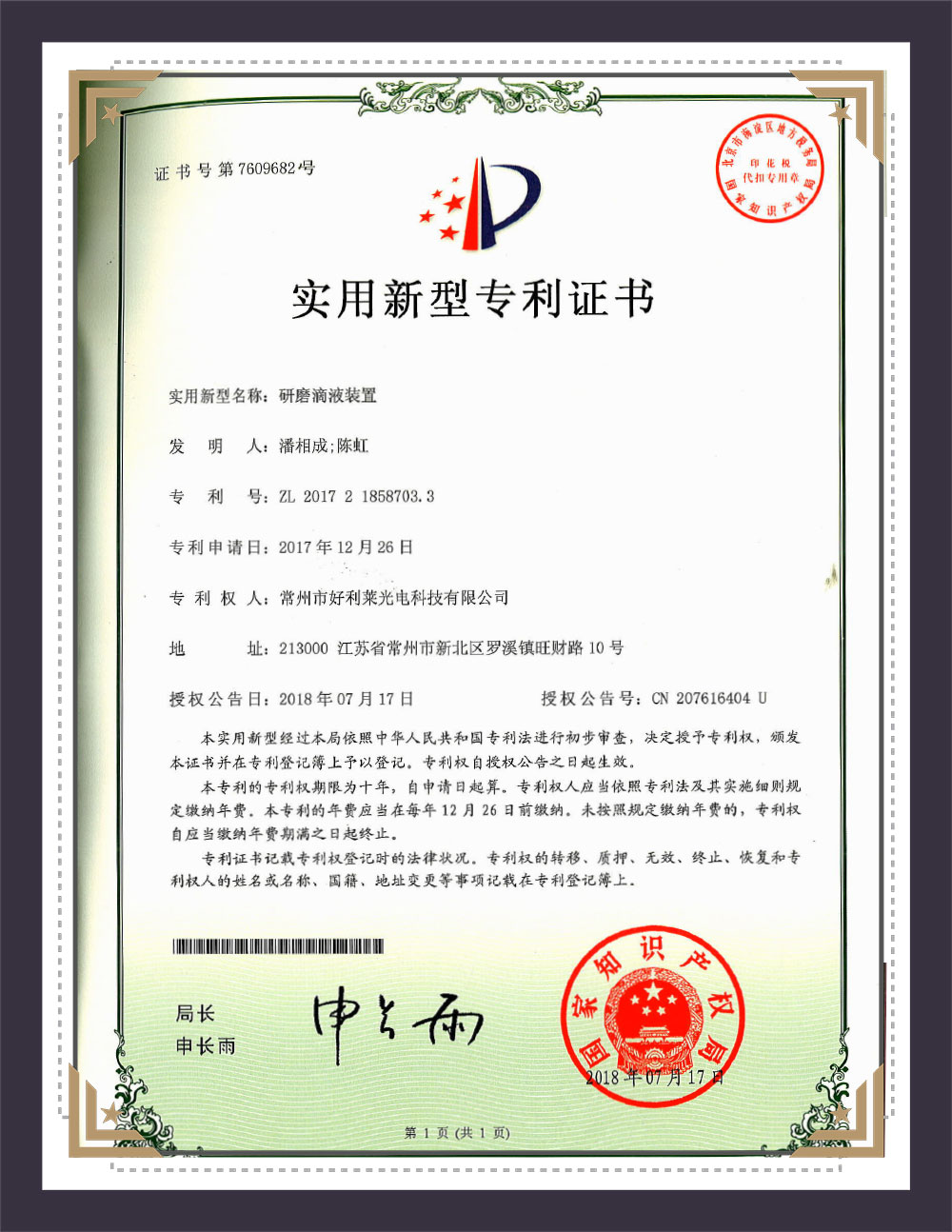
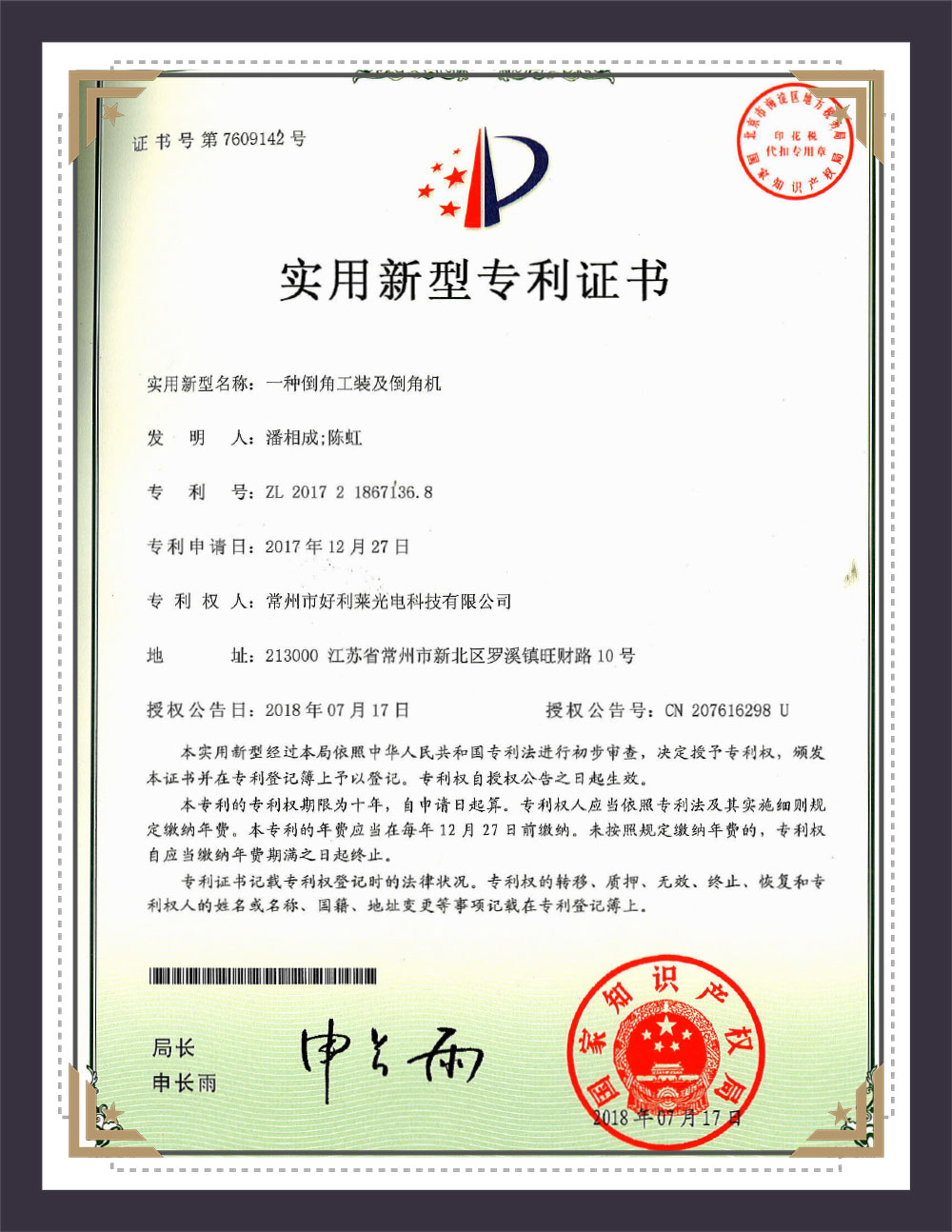
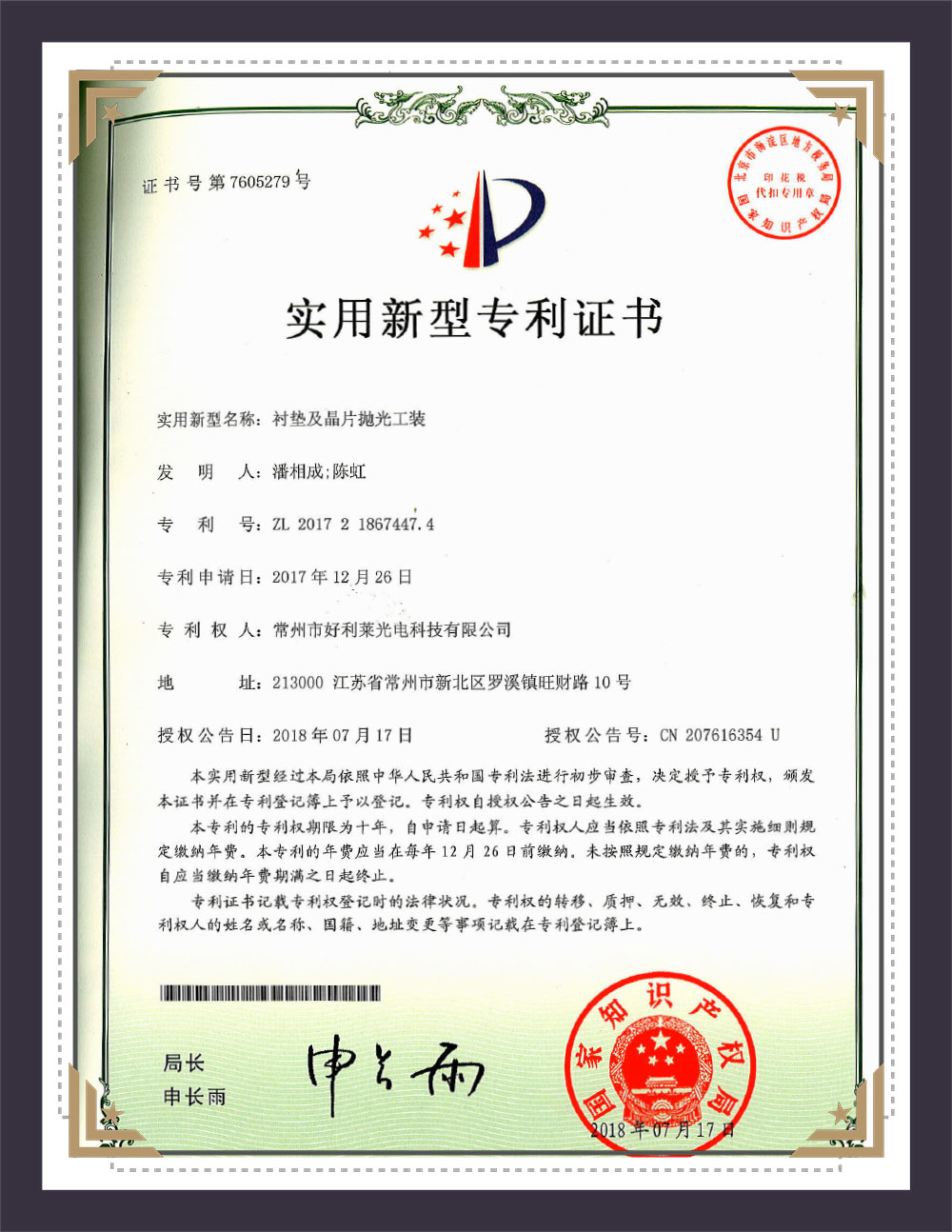
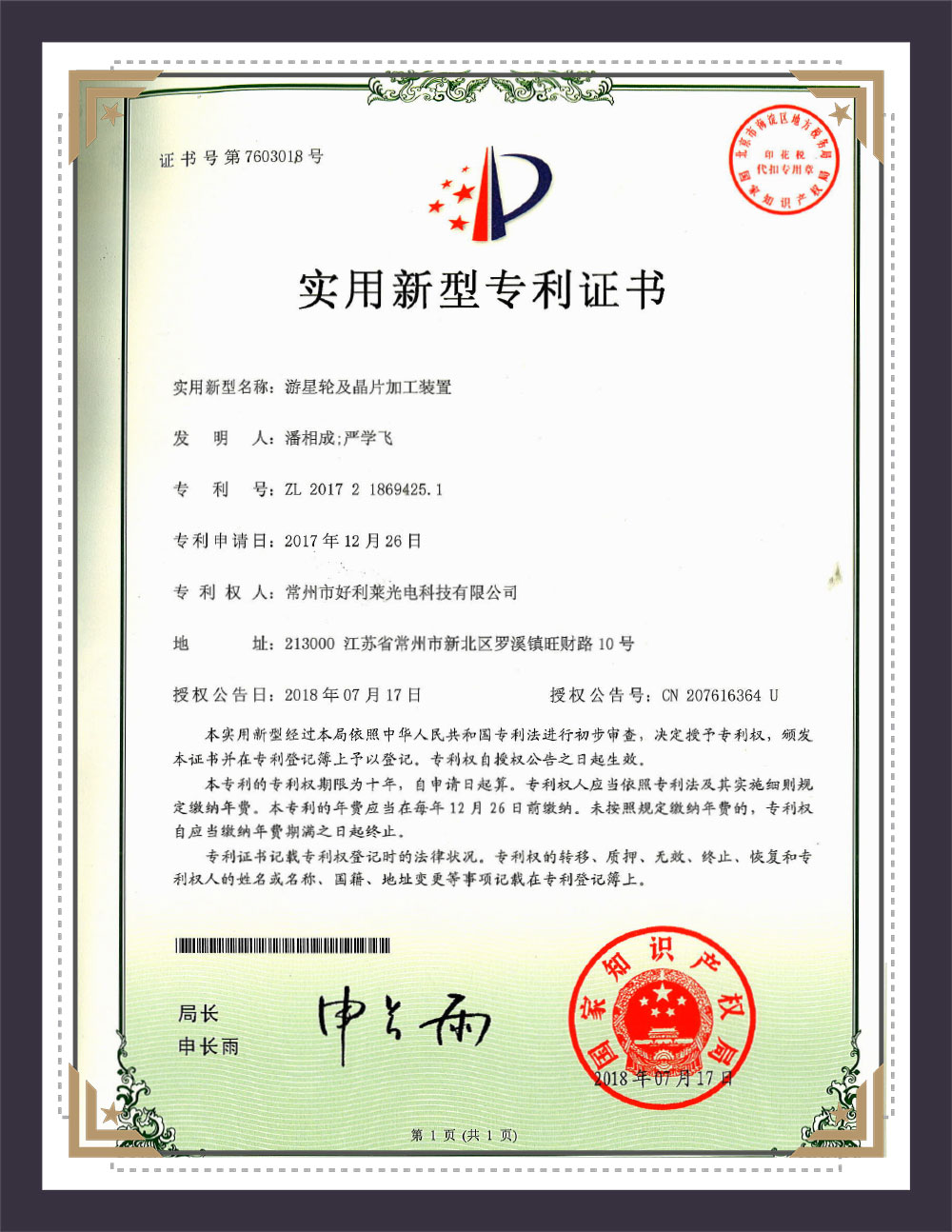
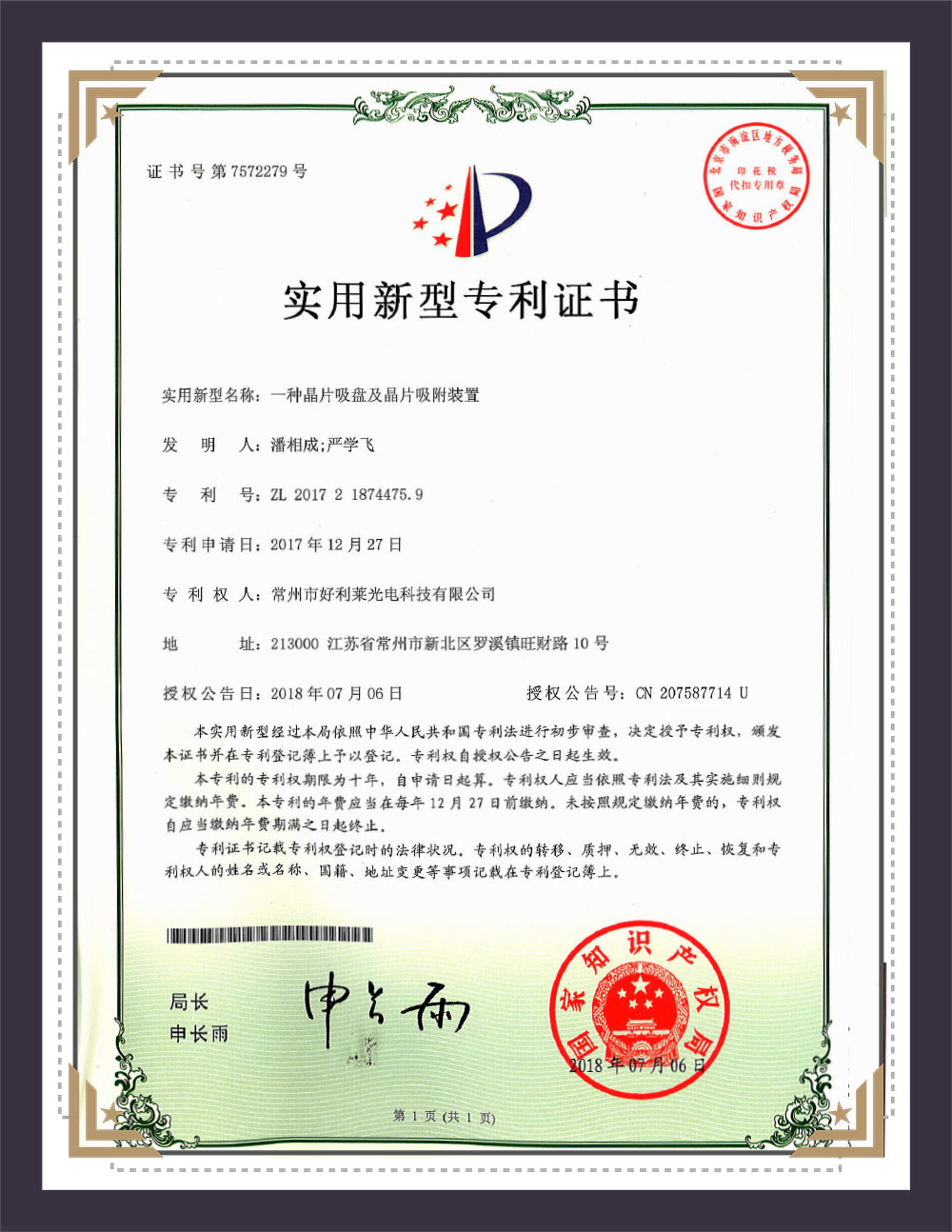
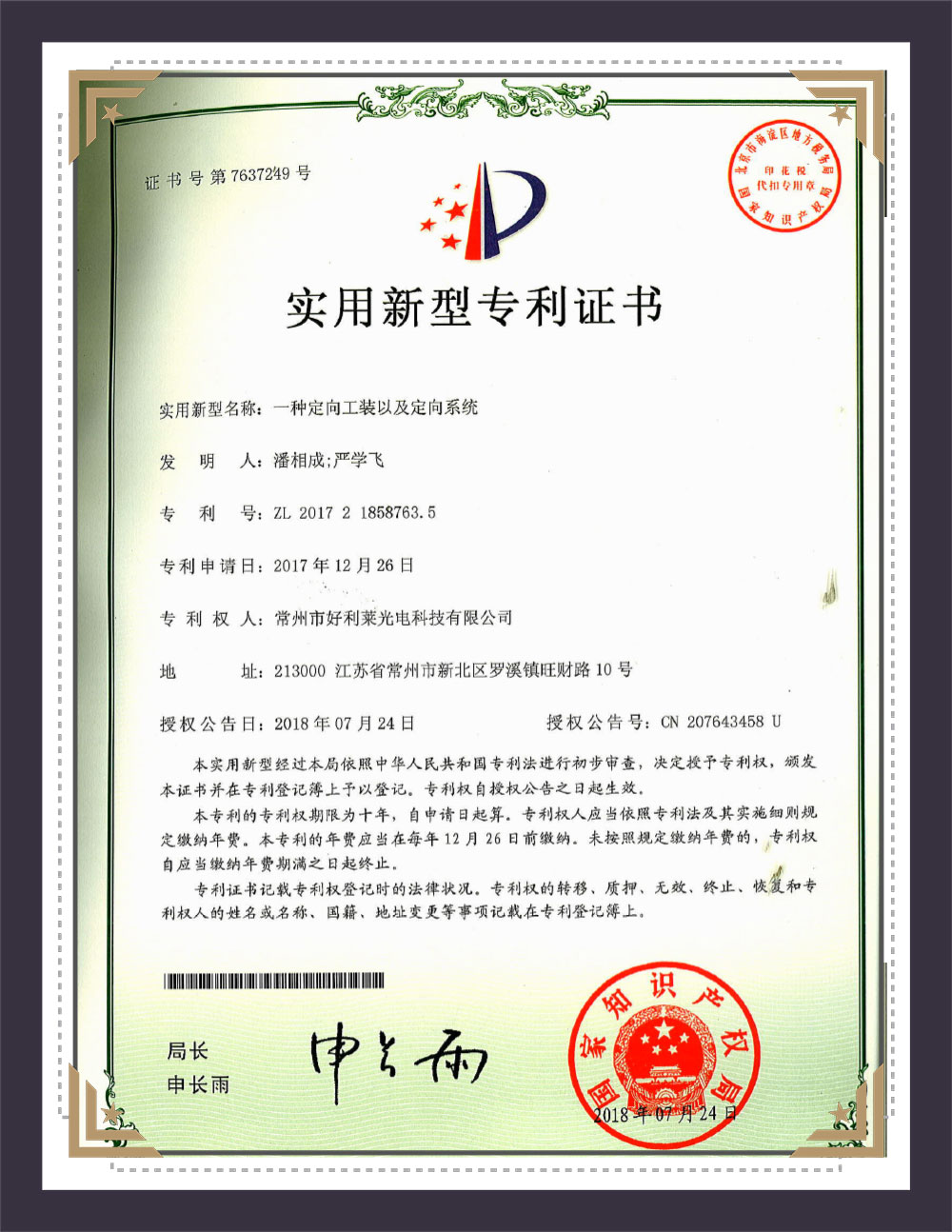
As a High-Tech enterprise in Jiangsu province, HLL boasts a talented team with intensive experience and professional technology. HLL has established Jiangsu Precision Optical Lens Engineering Technology Center and Jiangsu Enterprise Technology Research Center and obtained multiple patents for inventions, multiple utility model patents and multiple Jiangsu High New Tech Products.
HLL mainly develops and produces various precision optical components. Focus on laser optics, auto optics, the semiconductor industry and consumer optics. HLL will strive to become a benchmark in China's optical industry.

-
An optical wafer is a thin, parallel-sided plate of glass, fused quartz, or sapphire that has been lapped and polished until both faces meet micron-level thickness, flatness, and surface-quality tol...
READ MORE -
Two prisms can leave the same polishing line with identical drawings and still behave differently inside a finished instrument. The glass is rarely the reason. Angle tolerance, the figure of the pol...
READ MORE -
A 100 W fiber laser cutter starts losing accuracy in a familiar way: the beam lands a few tenths of a degree off at the cutting head, and the operator spends the afternoon adjusting the nozzle inste...
READ MORE
What are the reflection laws and imaging characteristics of optical spherical mirror?
Optical spherical mirrors are an indispensable part of our daily lives. They can be found in reflectors, telescopes, and glasses. But do you really understand how they work and what they are used for?
The basic types of optical spherical mirror include convex mirrors and concave mirrors, which have different reflection characteristics. Convex mirrors can focus parallel light to the focal point, so they are widely used in solar collectors and vehicle rearview mirrors. Concave mirrors, on the other hand, disperse the incident light and are commonly found in makeup mirrors and some safety traffic mirrors. These different reflection characteristics make optical spherical mirrors play an important role in all walks of life.
In addition to the reflection characteristics, the imaging characteristics of optical spherical mirrors have also attracted much attention. Different types of imaging can be obtained depending on the positional relationship between the object and the mirror. For example, in a convex mirror, when the object is outside the focus, an inverted, enlarged virtual image of the real object will be formed; when the object is within the focus, an upright, reduced virtual image will be obtained. These interesting imaging features bring many conveniences to our lives, such as the correction function of glasses and the magnification effect of scenes in telescopes.
In practical applications, optical spherical mirror also face some problems and challenges. For example, since spherical mirrors may produce distortion and aberration at certain angles, precise process and technical support are required in the design and manufacture of optical instruments. In addition, the material selection and the quality of the reflective coating of the optical spherical mirror also directly affect its use effect and life. Therefore, in the field of optical engineering, the improvement and optimization of optical spherical mirrors remains a continuous research direction.
As an important representative of optical components, the reflection characteristics and imaging characteristics of optical spherical mirrors play an important role in various fields. By deeply understanding the working principle and application characteristics of optical spherical mirrors, we can make better use of its characteristics and continuously optimize and improve them in practical applications.

- Address: No.10 wangcai road, Luoxi town,Xinbei district, Changzhou,Jiangsu, China.
- Phone: +86-519-83200018
- E-mail: [email protected]
COPYRIGHT 2024 Changzhou Haolilai Photo-Electricity Scientific and Technical Co., Ltd. ALL RIGHTS RESERVED.
 Wholesale Optical Spherical Mirror Factory Privacy
 苏公网安备32041102000130号